A water heater pops because sediment, primarily calcium and magnesium minerals, collects at the tank's bottom and traps small pockets of water that superheat and burst through the mineral layers as steam bubbles. This process is known in the plumbing industry as sediment-induced thermal expansion noise, though most homeowners simply call it a popping or rumbling sound. If you hear your water heater making noise during heating cycles, sediment buildup is the most likely cause. Understanding why water heater pops happen puts you in control of the fix before the problem shortens your unit's lifespan or drives up your energy bill.
Why your water heater pops: the sediment buildup explained
Sediment forms when dissolved minerals in your water supply, mainly calcium and magnesium, settle out of solution and sink to the bottom of the tank. Over months and years, these minerals harden into a dense layer that coats the tank floor and surrounds the lower heating element. The sediment acts as insulation, reducing heat transfer and forcing the heater to work harder and longer to reach the set temperature.
Here is the exact sequence that produces the popping sound:
- Sediment layer forms at the tank bottom, trapping small pockets of water underneath and within the mineral crust.
- The burner or heating element fires, applying heat directly through the sediment layer to those trapped water pockets.
- Trapped water superheats beyond normal boiling point because the sediment layer holds pressure above it.
- Steam bubbles burst upward through the sediment, releasing energy as audible pops or rumbles. A.O. Smith describes these as tiny steam explosions breaking through the mineral crust.
- The cycle repeats every time the burner runs, which is why the noise worsens during active heating cycles and quiets when the tank reaches temperature.
The noise intensity tracks directly with burner operation. You will notice the popping is loudest in the first few minutes of a heating cycle and fades once the water reaches the thermostat setpoint. That pattern is your clearest diagnostic signal: if the noise follows the burner, sediment is the cause.
Pro Tip: If your home is in Bullhead City, Fort Mohave, or Mohave Valley, the Colorado River water supply carries high mineral content. Residents in these hard water areas should expect sediment buildup to develop faster than the national average, making annual flushing a minimum, not an option.
What other water heater noises sound like and how to tell them apart
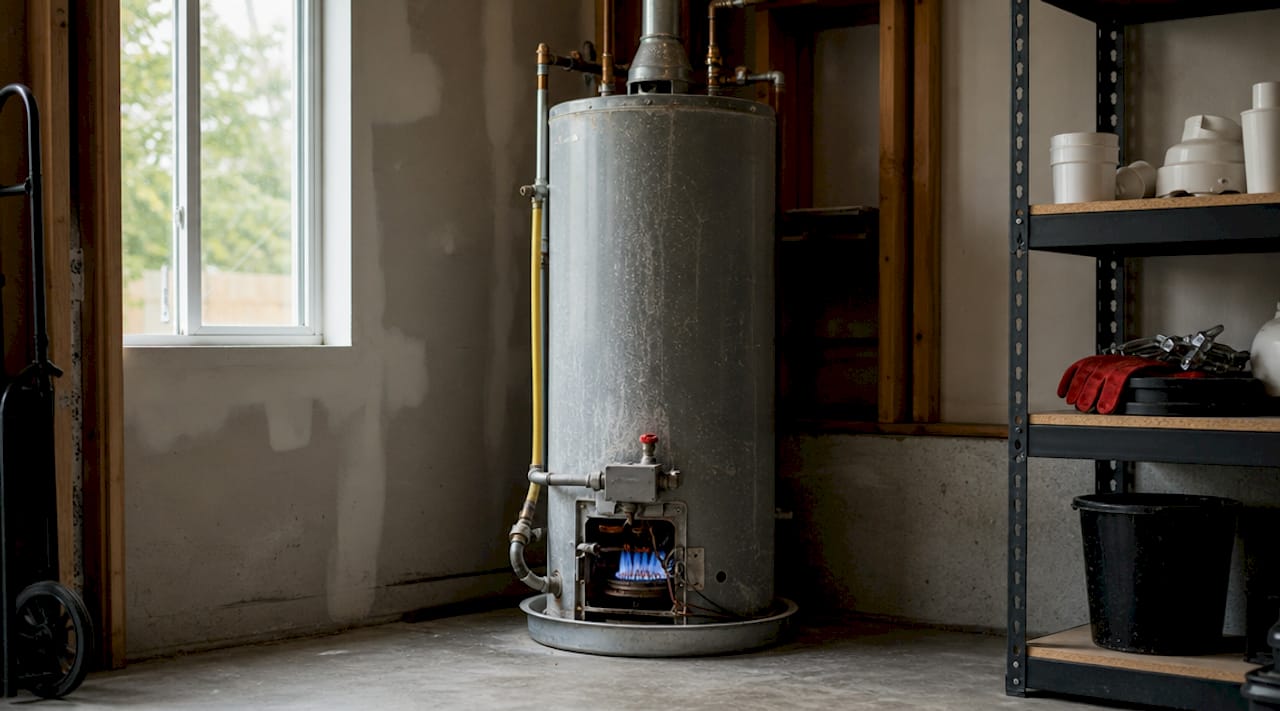
Not every strange sound from your water heater means sediment. Misidentifying the noise leads to the wrong fix, so knowing the difference saves you time and money.
- Banging or knocking during water flow changes is water hammer, not sediment. Water hammer occurs when water moving through pipes suddenly stops or reverses direction, slamming into valves or fittings. The fix is a water hammer arrestor installed on the supply line, not a tank flush.
- Hissing from the top of the unit points to the Temperature and Pressure relief valve, commonly called the T&P valve. A T&P valve hissing means it is activating due to unsafe pressure or temperature inside the tank, typically above 150 psi or 210°F. This is a safety event, not a noise nuisance, and requires immediate professional attention.
- Crackling or sizzling sounds from an electric water heater usually indicate scale buildup directly on the heating element itself. The element heats unevenly when coated in mineral scale, producing a crackling noise distinct from the deeper popping caused by floor sediment.
- Ticking or tapping during temperature changes is almost always thermal expansion in the pipes or the tank shell. This is normal and harmless.
The key distinction is timing and location. Popping follows the burner cycle and originates from the tank bottom. Banging follows water flow. Hissing comes from the valve area at the top. Matching the sound to its source is the first step in proper noise troubleshooting and prevents unnecessary repairs.
How to fix popping sounds: flushing and maintenance for homeowners
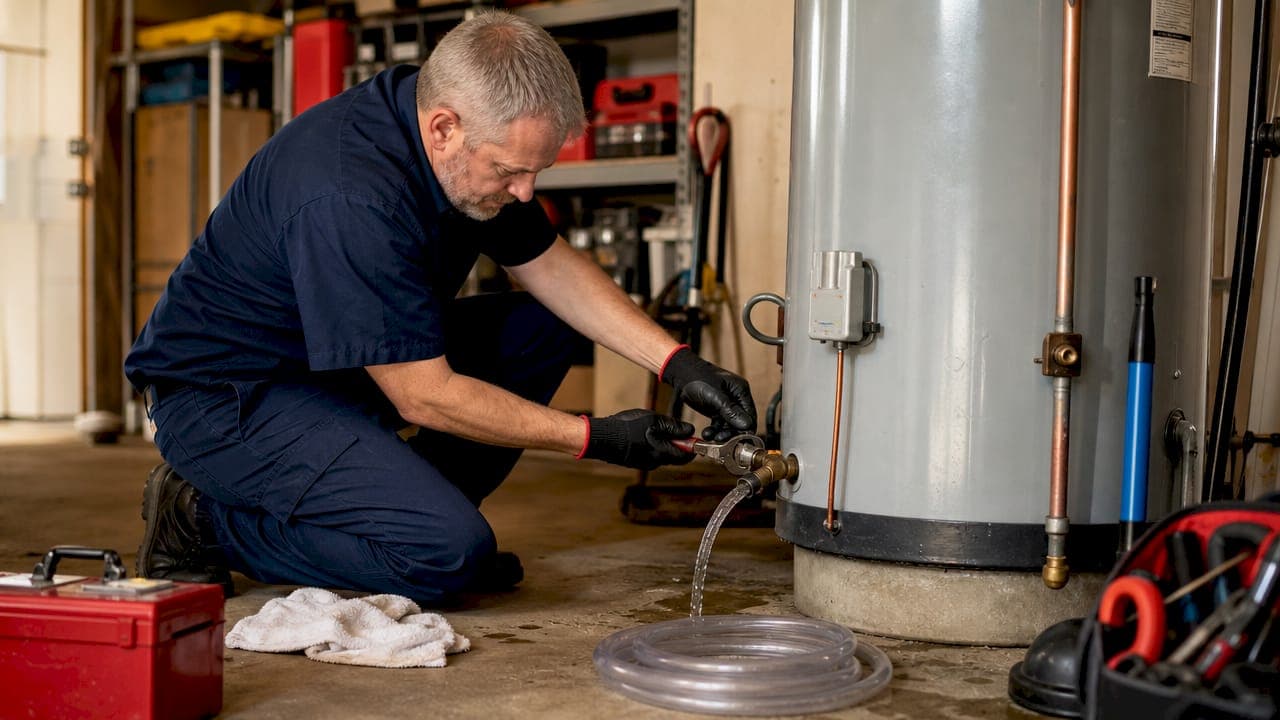
Flushing the tank is the primary water heater popping sound fix. It removes accumulated sediment before it hardens into compacted scale that requires professional treatment. Here is how to do it correctly:
- Turn off the heat source. Set a gas heater to "pilot" mode. Switch off the breaker for an electric unit. Let the water cool for at least two hours to avoid scalding.
- Connect a garden hose to the drain valve at the tank's base. Run the other end to a floor drain, utility sink, or outside.
- Open a hot water faucet somewhere in the house to allow air into the system and prevent a vacuum from forming.
- Open the drain valve and let the tank empty completely. Watch the water running out of the hose. Initially it will carry visible sediment, sand-like particles, or cloudy mineral debris.
- Flush with cold water. Once the tank is empty, briefly open the cold water supply valve to stir up remaining sediment and flush it out. Repeat until the water runs clear.
- Close the drain valve, remove the hose, and refill the tank before restoring power or relighting the pilot.
Manufacturers like Rheem recommend flushing as a standard part of water heater maintenance to prevent sediment accumulation that causes both noise and efficiency loss. The Spruce advises flushing once per year under normal conditions, and every six months if you have hard water or have already noticed popping sounds. In areas like Mohave Valley and Laughlin where mineral content is high, the six-month schedule is the smarter choice.
Pro Tip: Before flushing, check the drain valve for corrosion. Older plastic drain valves on tanks that have never been flushed can crack or fail to reseal after opening. If yours looks corroded or brittle, have a plumber replace it with a brass ball valve before you proceed.

One important limitation: flushing works best as prevention. If sediment has already hardened into a thick, compacted layer, a DIY flush may reduce the noise temporarily but will not fully clear the deposits. Partial flushing may quiet the tank for a few weeks before the popping returns. That pattern tells you the sediment is compacted and needs professional treatment.
When to call a professional for a noisy water heater
Some situations go beyond what a garden hose and an afternoon can fix. Knowing when to stop DIYing and call a licensed plumber protects both your safety and your investment.
Watch for these signs that professional service is needed:
- Popping persists after two full flushes. If the noise returns within days of flushing, compacted sediment has likely hardened to the point where professional descaling or tank replacement is the only lasting solution.
- The T&P valve is hissing, dripping, or discharging water. This is never normal. T&P valve discharge signals dangerous pressure or temperature conditions inside the tank. Do not attempt to fix this yourself.
- You see rust-colored water or visible tank corrosion. Sediment accelerates internal corrosion. Rust in the hot water supply means the tank lining is compromised, and replacement is likely necessary.
- The unit is over 10 years old and making loud, consistent pops. Older tanks with heavy sediment accumulation are at real risk of overheating and tank failure. Sediment buildup shortens the heater's lifespan by forcing it to run longer and hotter to compensate for the insulating mineral layer.
- You notice unexplained increases in your energy bill. A tank working harder due to sediment insulation uses significantly more energy. If your utility costs have climbed without explanation, sediment efficiency loss is a likely contributor.
Ignoring prolonged popping is not a neutral choice. The longer compacted sediment sits in the tank, the more it damages the heating element, strains the tank walls, and raises operating costs. A professional inspection at the first sign of persistent noise is far less expensive than an emergency tank replacement.
Key takeaways
Sediment buildup is the root cause of water heater popping, and regular flushing is the most direct way to prevent it from damaging your unit or driving up energy costs.
| Point | Details |
|---|---|
| Root cause of popping | Calcium and magnesium sediment traps water that superheats and bursts as steam bubbles. |
| Flush frequency | Flush annually in normal conditions; every six months in hard water areas like Bullhead City. |
| Noise differentiation | Banging means water hammer; hissing means T&P valve activation; popping means sediment. |
| DIY limits | Compacted sediment resists DIY flushing and requires professional descaling or replacement. |
| When to call a pro | Persistent noise after flushing, T&P valve discharge, rust in water, or a unit over 10 years old. |
What years of water heater calls have taught me
Most homeowners I talk to wait too long. They hear the popping for months, assume it is normal, and call us only after the tank has already started failing or the energy bill has spiked noticeably. By that point, the sediment is often so compacted that flushing alone will not save the unit.
The noise is your early warning system. A water heater that pops during every heating cycle is telling you something specific: the mineral layer is thick enough to trap water and superheat it. That is not a minor annoyance. That is a sign the tank is working against itself every time it fires.
My honest recommendation is to treat the first flush as a diagnostic tool, not just a maintenance task. If the water running out of the drain valve is heavily clouded with sediment, schedule a professional inspection regardless of whether the noise stops. Clear water after flushing on a young tank means you caught it early. Cloudy, gritty water from a tank over eight years old means you are managing a problem that is already advanced.
Routine maintenance on plumbing essentials like water heaters is the single most cost-effective thing a homeowner can do. A $150 professional flush every year costs far less than a $1,200 emergency replacement at 11 p.m. on a Sunday.
— JOHN
Let Usaplumbingseptic handle your water heater issues
If your water heater is still popping after a flush, or if you have noticed any of the warning signs above, Usaplumbingseptic is ready to help. We serve Bullhead City, Fort Mohave, Mohave Valley, Golden Valley, and Laughlin with 24/7 professional plumbing services, and water heater maintenance and repair is one of our most common calls.

Our experienced plumbers can perform a full tank inspection, professional descaling, element replacement, or complete water heater repair or replacement when the unit is beyond saving. Do not wait for a cold shower or a flooded utility room to make the call. Contact Usaplumbingseptic today and get your water heater running quietly and efficiently again. Our local plumbing team is standing by.
FAQ
Why does my water heater make a popping noise?
Popping sounds from a water heater are caused by sediment, mainly calcium and magnesium minerals, collecting at the tank bottom and trapping water that superheats into steam bubbles. Those bubbles burst through the mineral layer during each heating cycle, producing the popping or rumbling noise you hear.
How do I stop my water heater from popping?
Draining and flushing the tank removes the sediment responsible for the noise. Flush annually under normal conditions, or every six months if you have hard water. If the noise returns quickly after flushing, the sediment is compacted and a professional service call is the next step.
Is a popping water heater dangerous?
Popping caused by sediment is not immediately dangerous, but it signals a maintenance problem that can lead to overheating, tank damage, and higher energy costs if left unaddressed. A hissing sound from the T&P valve is a separate issue and does require urgent professional attention.
How often should I flush my water heater to prevent noise?
Water heater manufacturers recommend flushing once per year as a standard interval. In hard water areas, or if you have already noticed popping sounds, flushing every six months is the more effective schedule to prevent sediment from hardening.
When should I replace my water heater instead of repairing it?
If your unit is over 10 years old, produces persistent popping after professional flushing, shows rust-colored water, or has a failing T&P valve, replacement is often more cost-effective than continued repairs. A licensed plumber can assess whether repair or replacement is the right call for your specific unit.
Recommended
- USA Plumbing and Septic LLC - Plumbers, Plumber, Plumbing, Emergency Plumber, Commercial Plumber, Local Plumber, Plumbing Company, Septic
- USA Plumbing and Septic LLC - Plumbers, Plumber, Plumbing, Emergency Plumber, Commercial Plumber, Local Plumber, Plumbing Company, Septic
- USA Plumbing and Septic LLC - Plumbers, Plumber, Plumbing, Emergency Plumber, Commercial Plumber, Local Plumber, Plumbing Company, Septic
- USA Plumbing and Septic LLC - Plumbers, Plumber, Plumbing, Emergency Plumber, Commercial Plumber, Local Plumber, Plumbing Company, Septic