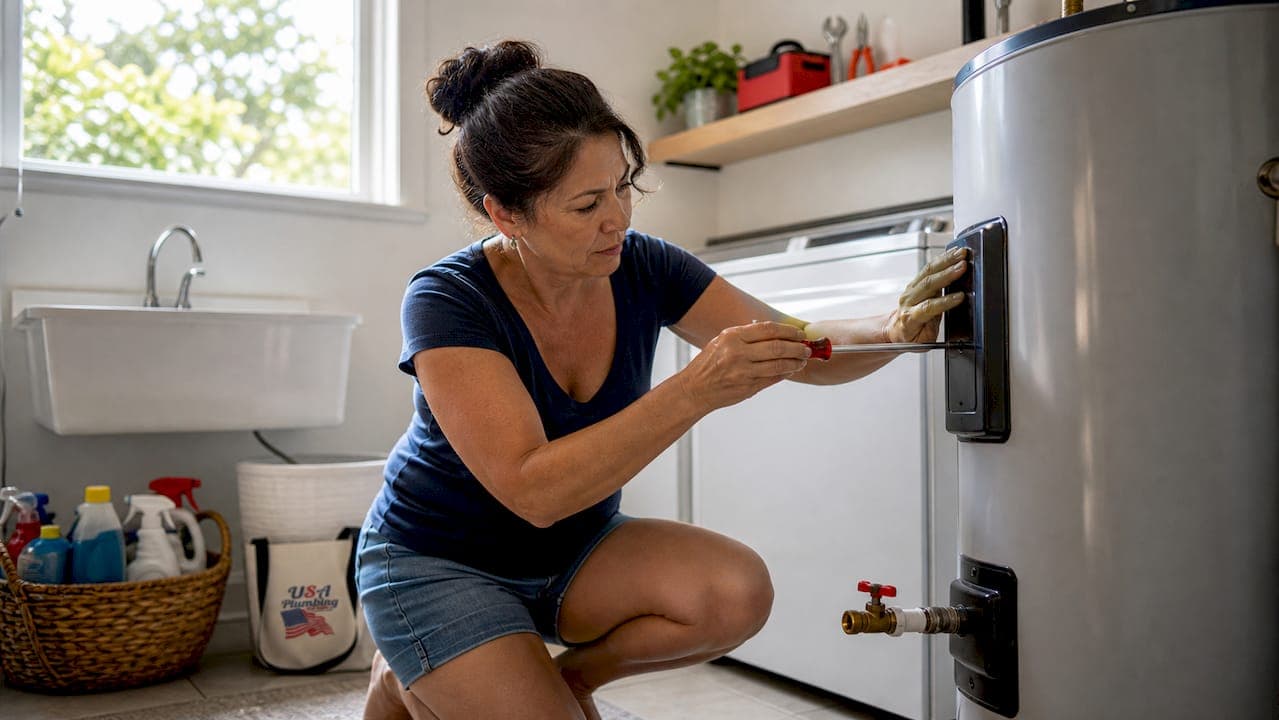
Common water heater problems are defined as recurring failures in components like the anode rod, thermostat, dip tube, and heating element that reduce hot water output, raise energy bills, or cause leaks. Most homeowners treat these failures as sudden events, but water heater failures are gradual and stem from component degradation that builds over months or years. Catching the warning signs early saves you from cold showers, water damage, and expensive emergency replacements. This guide covers the 10 most common water heater issues, what causes them, and what you can do about each one.
1. common water heater problems: no hot water at all
No hot water is the most disruptive water heater issue a homeowner faces. On electric units, the cause is almost always a failed heating element or a tripped circuit breaker. On gas units, a dead pilot light or a failed thermocouple is the most likely culprit.
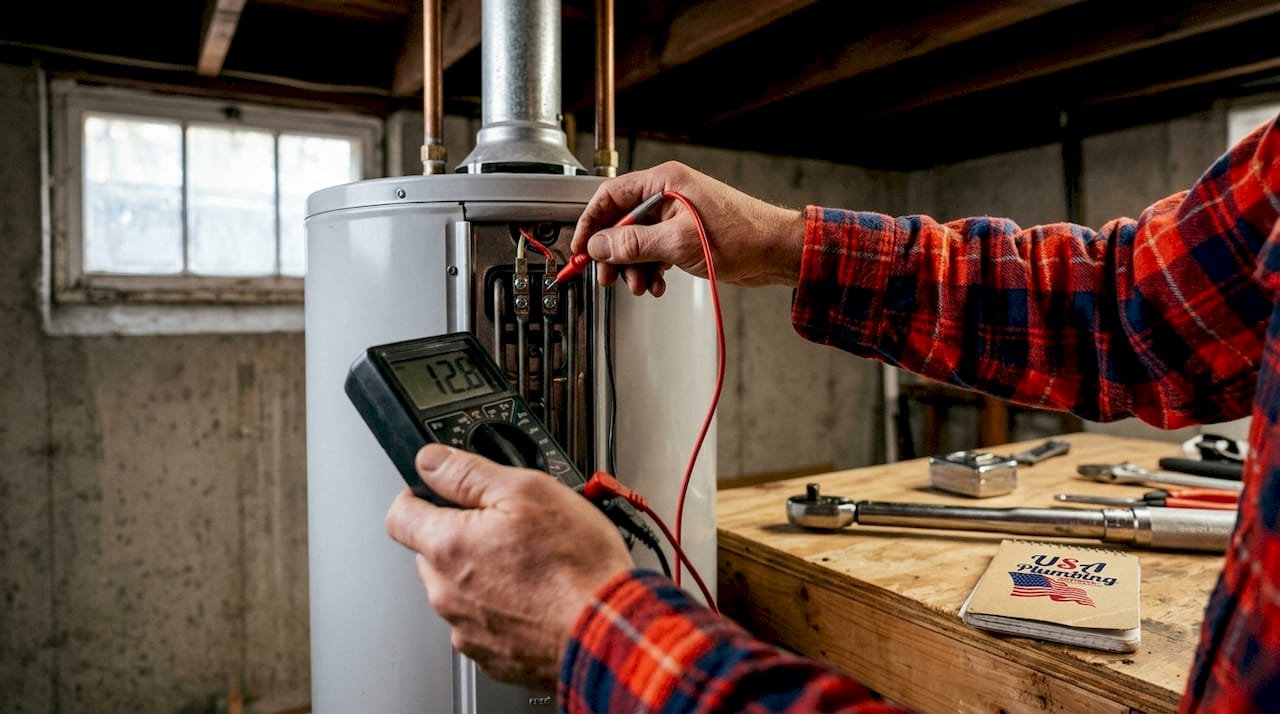
Start your water heater troubleshooting by checking the breaker panel first. If the breaker is fine, test the heating element with a multimeter. Replacement elements cost $20–$50 and are a straightforward DIY fix for most homeowners.
2. lukewarm water from a broken dip tube
A broken dip tube is one of the most misdiagnosed water heater issues. The dip tube carries cold inlet water to the bottom of the tank for heating. When it cracks or breaks, cold water mixes directly with hot water at the top of the tank, and you get lukewarm output.
Dip tube replacement costs $10–$30, yet many homeowners pay far more to replace heating elements that are not actually broken. Before you replace any heating element, check the dip tube first. It is a quick inspection that can save you a significant repair bill.
3. water leaking from the top or bottom
A leak from the top of your water heater usually means a loose cold water inlet or hot water outlet fitting. Tighten the fittings with a pipe wrench and check the temperature and pressure relief (T&P) valve for signs of discharge. A leak from the bottom is more serious. It often signals tank corrosion or a failing drain valve.
Minor water leaks can cause significant structural damage and mold growth if left unaddressed. If you see water pooling under the tank, call a professional immediately. A corroded tank cannot be repaired and requires full replacement.
4. rumbling and popping noises
Rumbling and popping sounds from your water heater are not just annoying. They are a direct warning that sediment is boiling beneath the heating element. Early warning sounds like popping and rumbling indicate sediment buildup that is actively damaging your tank. Homeowners who ignore these sounds shorten their water heater's lifespan substantially.
Flushing the tank removes the sediment causing those sounds. Connect a garden hose to the drain valve, shut off the cold water supply, and drain the tank fully. Do this every three to four months to keep the tank clean and quiet.
Pro Tip: If your water heater still pops after flushing, read the full breakdown at why your water heater pops to identify whether the issue is sediment or a failing element.
5. rusty or discolored water
Rusty water coming from your hot tap points to one of two problems: a depleted anode rod or active tank corrosion. The anode rod is a sacrificial metal rod that corrodes in place of the tank lining. A depleted anode rod causes rusty or discolored water and accelerates tank corrosion once it is fully consumed. Replacement costs range from $20 to $300 depending on the unit.
Check the anode rod annually. Pull it out and inspect it. If it is less than half an inch thick or coated in calcium, replace it immediately. This one maintenance step can add years to your tank's life.
6. pilot light keeps going out on gas heaters
A pilot light that goes out the moment you release the igniter button is the classic sign of a failed thermocouple. The thermocouple is a small sensor that tells the gas valve the pilot is lit. When it fails, the gas valve shuts off as a safety measure. Thermocouple replacement costs $10–$30 and is one of the most common gas water heater repairs.
Most homeowners can replace a thermocouple themselves with basic tools. The part is available at any hardware store. If the pilot still goes out after replacement, the gas valve itself may be faulty and requires a licensed technician.
7. overheating and scalding hot water
Water that is dangerously hot usually means your thermostat is set too high or has malfunctioned. The recommended safe setting is 120°F. If your water is scalding at that setting, the thermostat is likely reading temperature incorrectly.
Every electric water heater also has a high-limit switch, called the ECO (Energy Cut-Off). The ECO trips at around 170°F to prevent dangerous overheating. Resetting it once is acceptable after a transient spike. If it trips repeatedly, the thermostat has failed and needs replacement. Do not keep resetting the ECO without fixing the root cause.
Pro Tip: Never set your thermostat above 120°F. Higher settings increase scalding risk and accelerate sediment buildup at the tank bottom.
8. slow hot water recovery
If your tank runs out of hot water faster than it used to, sediment is the most likely cause. Sediment insulates heating elements, forcing them to work harder and longer to heat the same volume of water. The result is longer recovery times and higher energy bills.
Homes in areas with water hardness above 7 grains per gallon are most affected. If you live in Bullhead City, Fort Mohave, or Mohave Valley, your water is hard and sediment accumulates faster than average. Regular flushing is not optional in these areas. It is the single most effective maintenance task you can perform.
9. high energy bills linked to your water heater
A sudden spike in your energy bill often traces back to your water heater working harder than it should. Sediment buildup forces burners to work harder, leading to fatigue, cracks, and energy inefficiency over time. A water heater running at reduced efficiency can add $30–$60 per month to your utility bill without any obvious outward signs of failure.
Inspect the insulation on your hot water pipes and the tank itself. Add a water heater insulation blanket if the tank feels warm to the touch on the outside. Combined with regular flushing, these steps can measurably reduce monthly energy costs.
10. tankless water heater specific issues
Tankless water heaters have their own set of failure points. The most common is scale buildup from hard water, which reduces efficiency by up to 40% in hard water regions. Annual descaling with citric acid solution is the standard fix and takes about an hour.
The second common issue is activation failure. Tankless units require a minimum flow rate of 0.5–0.75 GPM to activate. If your flow rate drops below that threshold, the unit will not fire. Check for clogged aerators or partially closed valves before assuming the unit has failed. Control board errors display as specific fault codes. Match those codes to your manufacturer's diagnostic table before ordering parts.
How sediment buildup destroys water heater performance
Sediment originates from calcium and magnesium minerals dissolved in hard water. These minerals settle at the tank bottom and harden into scale over time. The scale layer acts as insulation between the burner and the water, forcing the system to run longer heating cycles.
The consequences compound quickly. Longer heating cycles mean more energy use, higher bills, and accelerated wear on the heating element or burner. Over time, the repeated overheating causes the tank lining to crack, leading to leaks. Quarterly flushing removes this sediment before it hardens into scale. Think of it as the oil change of water heater maintenance.
Pro Tip: Use a water quality guide to check your local water hardness. If it exceeds 7 grains per gallon, flush your tank every 90 days, not every six months.
The anode rod: your tank's best defense
The anode rod is a magnesium or aluminum rod suspended inside your tank. It corrodes sacrificially, meaning it draws corrosive elements away from the steel tank lining. Once the rod is fully consumed, the tank itself becomes the target.
Signs your anode rod needs replacement include:
- Rusty or metallic-smelling hot water
- Visible white or gray calcium deposits on the rod
- Rod diameter reduced to less than half an inch
- Water heater older than three years with no prior rod inspection
Replacement costs range from $20 to $300 depending on the unit and whether you hire a professional. Annual inspection is the standard recommendation. Catching a depleted rod early is far cheaper than replacing a corroded tank.
Thermostat and high-limit switch failures
The thermostat controls water temperature by cycling the heating element on and off. When it fails, you get water that is either ice cold or dangerously hot. Neither is acceptable, and both signal the same root cause.
Signs of thermostat failure include:
- Water temperature that fluctuates without changing the setting
- ECO switch that trips repeatedly after resetting
- Scalding water at a 120°F thermostat setting
- No hot water despite a working heating element
A thermostat replacement on an electric water heater costs $20–$50 for the part. The job requires shutting off power at the breaker and draining part of the tank. If you are not comfortable working near electrical components, call a licensed plumber. Repeated ECO trips are a safety hazard and should never be ignored.
Pro Tip: If you need to decide between repair and replacement, a thermostat failure on a unit under 8 years old almost always favors repair. On a unit over 12 years old, replacement is usually the smarter investment.
Key takeaways
Most water heater failures are preventable with quarterly flushing, annual anode rod inspection, and prompt attention to early warning sounds like popping and rumbling.
| Point | Details |
|---|---|
| Flush the tank quarterly | Sediment removal prevents overheating, energy waste, and premature tank corrosion. |
| Inspect the anode rod annually | A depleted rod accelerates tank corrosion and leads to rusty water and leaks. |
| Check the dip tube before replacing elements | A broken dip tube causes lukewarm water and costs $10–$30 to fix. |
| Reset the ECO only once | Repeated ECO trips signal thermostat failure and require professional repair. |
| Descale tankless units every year | Scale buildup reduces tankless heater efficiency by up to 40% in hard water areas. |
What years of water heater calls taught me
Most homeowners call us after the problem has already become an emergency. The water is ice cold, there is a puddle on the floor, or the energy bill jumped $80 in a single month. Every one of those calls could have been avoided with a 20-minute maintenance check twice a year.
The mistake I see most often is ignoring sounds. A water heater that pops and rumbles is telling you something specific. It is not background noise. It is sediment boiling under the heating element, and it is actively shortening the life of your tank. I have seen units fail within six months of the first audible warning because the homeowner assumed the noise was normal.
The second most common mistake is skipping the anode rod. Nobody thinks about it because it is invisible. But once it is gone, your tank corrodes from the inside out. By the time you see rusty water, the damage is already significant.
My honest recommendation: set a calendar reminder every three months to flush your tank. Once a year, pull the anode rod and look at it. Test your thermostat setting with a thermometer at the tap. These three tasks take less than an hour total and will extend your water heater's life by years. If anything looks wrong during those checks, call a professional before it becomes an emergency.
— JOHN
Get professional water heater help from Usaplumbingseptic
Usaplumbingseptic provides reliable water heater repair, replacement, and maintenance services for homeowners across Bullhead City, Fort Mohave, Mohave Valley, and Laughlin. Whether you are dealing with a failed heating element, a corroded tank, or a thermostat that keeps tripping, our experienced plumbers diagnose the problem fast and fix it right.

Scheduling a professional inspection before a failure occurs is always more affordable than an emergency replacement. Our team is available 24/7 for urgent water heater issues. For a full breakdown of your options, visit our water heater repair page or explore our plumbing protection plans to keep your system running year-round. Call us today. We are ready when you need us.
FAQ
What causes a water heater to stop producing hot water?
The most common causes are a failed heating element on electric units or a dead thermocouple on gas units. Check the circuit breaker first, then inspect the pilot light or test the heating element with a multimeter.
How often should i flush my water heater?
Flush your water heater every three months if you live in a hard water area. Homes with water hardness below 7 grains per gallon can flush every six months.
What does a popping noise from my water heater mean?
Popping sounds mean sediment is boiling beneath the heating element. Flush the tank immediately to remove the buildup and prevent further damage to the tank lining.
How do i know if my anode rod needs replacement?
Inspect the anode rod annually. Replace it if it is less than half an inch thick, heavily coated in calcium, or if your hot water has a rusty or metallic smell.
When should i replace my water heater instead of repairing it?
Replace your water heater if it is over 12 years old, has a corroded tank, or requires multiple component repairs within a short period. Repair is the better choice for units under 8 years old with isolated component failures.
Recommended
- Why Your Water Heater Pops and How to Fix It
- USA Plumbing and Septic LLC - Plumbers, Plumber, Plumbing, Emergency Plumber, Commercial Plumber, Local Plumber, Plumbing Company, Septic
- USA Plumbing and Septic LLC - Plumbers, Plumber, Plumbing, Emergency Plumber, Commercial Plumber, Local Plumber, Plumbing Company, Septic
- USA Plumbing and Septic LLC - Plumbers, Plumber, Plumbing, Emergency Plumber, Commercial Plumber, Local Plumber, Plumbing Company, Septic