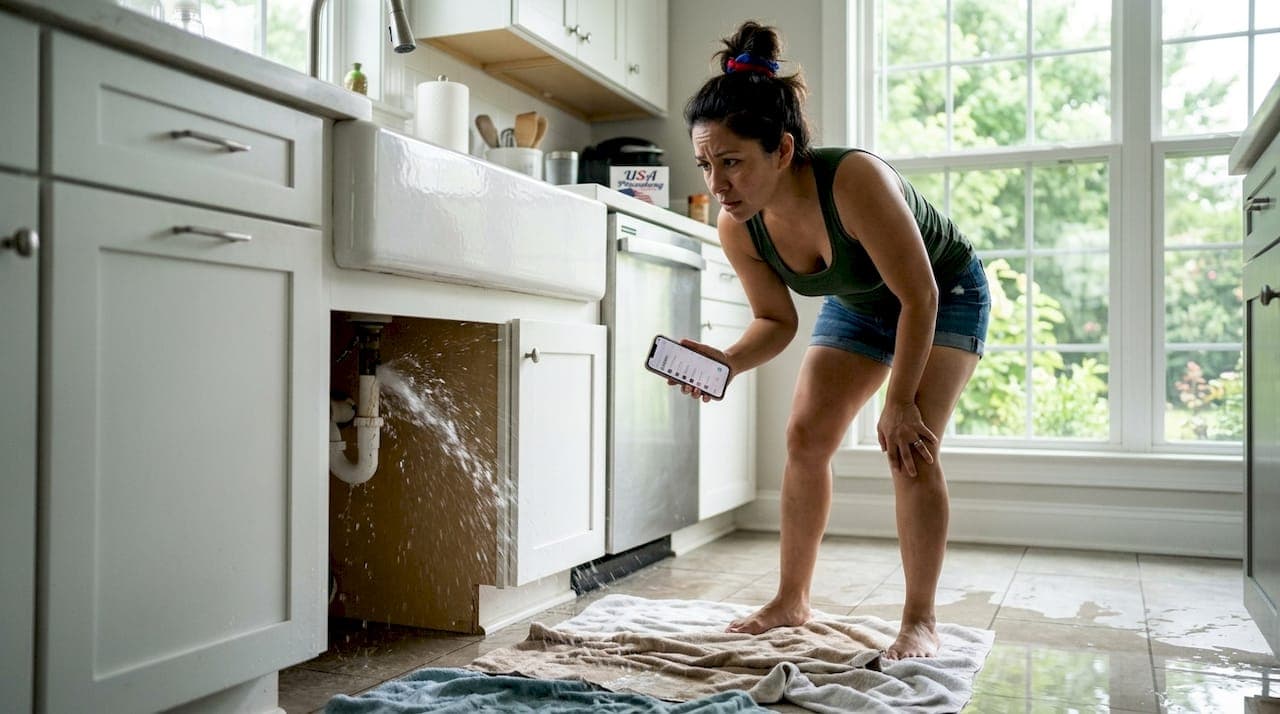
A plumbing emergency is any urgent situation involving water, sewage, or gas that poses an immediate risk to your home, health, or safety. Knowing the real-world examples of emergency plumbing situations before one strikes gives you a critical advantage. The difference between a $150 repair and a $3,000 restoration often comes down to how fast you recognize the problem and act. Usaplumbingseptic responds to these crises 24/7 across Bullhead City, Fort Mohave, Mohave Valley, and Laughlin, so you are never left handling a disaster alone.
1. Examples of emergency plumbing situations every homeowner should know
Plumbing emergencies fall into a clear set of categories. Each one carries specific risks, warning signs, and required responses.
Burst pipes
A burst pipe is one of the most destructive urgent plumbing problems you can face. Burst pipes release 2–8 gallons of water per minute, enough to fill a 10x10 room with 3 inches of standing water in under an hour. That speed means structural damage, ruined flooring, and mold risk all begin within the first 60 minutes.
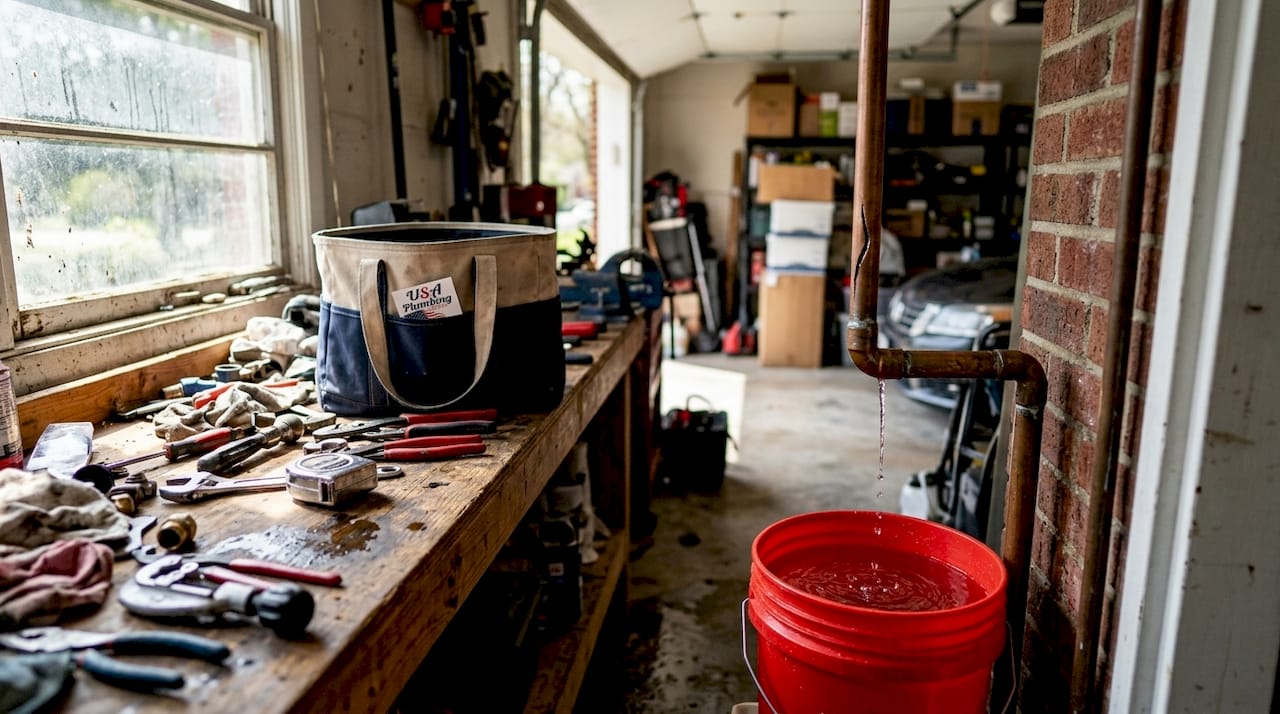
Signs of a burst pipe include a sudden drop in water pressure, water stains spreading across walls or ceilings, and the sound of rushing water inside your walls. Shut off the main water supply immediately and call a licensed plumber.
Sewage backup
Sewage backup is a health emergency, not just a plumbing inconvenience. Raw sewage contains pathogens including E. coli and hepatitis A, making any contact with backed-up water a serious health hazard. Professional remediation is required. This is not a situation for DIY cleanup.
Warning signs include multiple drains gurgling at once, foul odors rising from floor drains, and sewage appearing in your bathtub or shower. If you notice these signs, stop using all water in the home and call for sewer line help right away.
Water heater failure
A failing water heater can flood your home faster than most homeowners expect. Water heater tanks hold 40–80 gallons, and a tank failure releases that entire volume into your living space within minutes. Water heater and frozen pipe emergencies often require simultaneous attention to related gas or electrical systems, making professional assessment critical for safety.
Signs of imminent failure include rumbling or popping sounds from the tank, rust-colored hot water, and visible corrosion or pooling water around the base of the unit.
Overflowing toilet
An overflowing toilet crosses from nuisance to emergency the moment sewage contacts your floor. Overflowing toilets create contamination risks by spreading sewage across surfaces, which is fundamentally different from a running toilet that only wastes water internally. A running toilet is not an emergency. An overflowing one is.
Turn off the water supply valve behind the toilet immediately. Do not flush again. If the overflow does not stop, shut off the main supply and call a plumber.
Gas leaks near plumbing appliances
Gas leaks near water heaters, stoves, or other gas-connected plumbing appliances are life-threatening emergencies. You will typically smell a rotten egg odor, hear a hissing sound near a gas line, or notice dead vegetation near an outdoor gas line. Do not flip any light switches or use your phone inside the building. Leave immediately and call your gas utility and a licensed plumber from outside.
Pro Tip: Know the location of your gas shutoff valve before an emergency occurs. Turning it off takes seconds and can prevent a catastrophe.
Frozen pipes
Frozen pipes are a common plumbing emergency in colder months. The real danger is not the freeze itself but the burst that follows when ice expands inside the pipe. Never thaw frozen pipes with open flames or high heat, as this risks sudden pipe bursts and fire hazards. Shut off the water supply and call a professional.
Hidden leaks behind walls
A slow leak behind a wall can become a full emergency faster than you think. Mold growth starts within 24–48 hours of a hidden leak. If you cannot locate and stop the source, treat it as an emergency. Warped drywall, peeling paint, and a musty smell are your early warning signs. Check out this guide on underground water leak repair for more on what these repairs involve.
2. How to distinguish emergency from non-emergency plumbing issues
Not every plumbing problem demands an immediate call. Knowing the difference protects you from both panic and costly delays.
The clearest framework is the 12-hour rule: any plumbing issue with active flowing water you cannot stop, sewage backup, or a gas odor must be addressed within 12 hours to prevent substantial damage. That rule cuts through the guesswork.
Here is how common plumbing issue examples break down:
- Dripping faucet. Not an emergency. Schedule a repair within a week.
- Running toilet. Not an emergency. It wastes water but poses no immediate damage risk.
- Overflowing toilet. Emergency. Sewage contact with surfaces creates contamination.
- Slow drain. Not an emergency unless multiple drains back up simultaneously.
- Water near electrical outlets. Emergency. Shut off the electrical breaker for that zone before touching any water. Electricity and water together are life-threatening.
- Burst pipe with active flow. Emergency. Every minute of delay increases repair costs and structural damage.
- Small leak under a sink. Not an emergency if contained, but monitor it closely for mold risk.
Pro Tip: If you are unsure whether your situation qualifies as an emergency, check the signs you need a professional plumber before waiting it out.
The most dangerous homeowner mistake is treating a slow hidden leak as minor. Minor water leaks accumulate damage silently, and by the time you see visible signs, the structural and mold damage is already underway.
3. Immediate steps to take before professional help arrives
Speed is the single most important factor in a plumbing emergency. The faster you shut off the water supply, the smaller and less expensive the repairs will be. Every homeowner and renter should know these steps before an emergency happens.
- Locate and shut off the water. Find your main shutoff valve now, before you need it. It is typically near the water meter, in a utility room, or outside near the foundation. For localized issues like a toilet or sink, use the isolation valve directly behind or beneath the fixture.
- Cut electrical power if water is near wiring. Go to your breaker panel and shut off power to any zone where water is present. Do not touch outlets, switches, or appliances in a flooded area.
- Skip the chemical drain cleaners. Chemical drain cleaners can corrode pipes and worsen blockages. They are not a fix for a sewage backup or a burst pipe. Using them in an emergency can make the plumber's job harder and your repair bill larger.
- Do not attempt DIY pipe repairs under pressure. Temporary patches on pressurized pipes rarely hold and can cause a larger burst. Contain what you can with towels and buckets, then wait for a professional.
- Call a licensed plumber immediately. Use the quick tips for plumbing emergencies checklist to stay organized while you wait for help.
Knowing when to call a professional versus attempting a fix yourself is critical. Certain urgent plumbing problems, including sewage backup, gas leaks, and burst pipes inside walls, always require immediate expert intervention to protect health and property.
4. Cost and complexity of common emergency plumbing repairs
Repair costs for plumbing emergencies vary widely based on the type of problem, its location, and how long it went unaddressed.
Emergency plumbing repair costs range from $150 for a toilet overflow repair to over $3,000 for a complex burst pipe inside a wall, with repair times ranging from 30 minutes to 8 hours. Delay consistently pushes costs toward the higher end of that range.
| Emergency Type | Typical Cost Range | Estimated Repair Time |
|---|---|---|
| Toilet overflow | $150–$400 | 30–60 minutes |
| Burst pipe (accessible) | $400–$1,000 | 1–3 hours |
| Burst pipe (inside wall) | $1,000–$3,000+ | 4–8 hours |
| Water heater failure | $600–$1,500 | 2–4 hours |
| Sewage backup | $500–$2,500 | 2–6 hours |
| Hidden wall leak with mold | $1,500–$5,000+ | Multiple days |
The hidden cost in every plumbing emergency scenario is delay. A burst pipe left running for two hours causes far more floor and drywall damage than one caught in the first ten minutes. Mold remediation alone can cost more than the original pipe repair. Acting fast is the most affordable decision you can make.
Key Takeaways
Recognizing common plumbing emergencies and acting within the first few minutes is the most effective way to protect your home, health, and wallet.
| Point | Details |
|---|---|
| Burst pipes are the fastest threat | They release up to 8 gallons per minute, flooding rooms in under an hour. |
| Sewage backup is a health emergency | Raw sewage carries E. coli and hepatitis A, requiring professional cleanup. |
| The 12-hour rule guides urgency | Active water flow, sewage, or gas odor must be addressed within 12 hours. |
| Shut off water first, always | Stopping water flow immediately reduces repair costs and structural damage. |
| Delay multiplies costs | A hidden leak ignored for 24 hours can trigger mold and structural repairs costing thousands. |
What I have learned from years of plumbing emergencies
After seeing hundreds of plumbing crises, the pattern that stands out most is not the severity of the problem. It is how long the homeowner waited before calling.
The most common mistake I see is homeowners trying to "monitor" an active leak. They put a bucket under it, check it every few hours, and call us two days later when the ceiling collapses. A leak that looks manageable on day one can be a mold and structural disaster by day three. The 24–48 hour mold window is real, and it does not care how busy your week is.
The second mistake is underestimating gas-adjacent plumbing emergencies. Water heaters and gas lines sit close together in most homes. When a water heater fails, homeowners focus on the water. They forget the gas connection entirely. That oversight can turn a flooding problem into a fire or explosion risk. Always treat any appliance failure near a gas line as a dual emergency.
My honest recommendation: learn where your main water shutoff and electrical breaker panel are located today. Practice finding them in the dark. That 30-second preparation is worth more than any emergency kit you can buy.
— JOHN
Usaplumbingseptic is ready when plumbing emergencies strike
When a plumbing crisis hits your home, you need a licensed team that picks up the phone at 2:00 AM and arrives ready to work. Usaplumbingseptic provides 24/7 emergency plumbing services across Bullhead City, Fort Mohave, Mohave Valley, and Laughlin. Our experienced plumbers handle burst pipes, sewage backups, water heater failures, and gas-adjacent emergencies with the tools and training to get your home safe fast.

We serve residential and commercial customers with the same urgency and professionalism. Whether you are a homeowner facing a burst pipe at midnight or a renter dealing with a sewage backup, our team is your reliable local partner. Call Usaplumbingseptic now and get a licensed plumber on the way.
FAQ
What counts as a plumbing emergency?
A plumbing emergency is any situation involving active water flow you cannot stop, sewage backup, gas odor, or water near electrical wiring. These require immediate professional attention to prevent damage and health risks.
How fast can a burst pipe flood a room?
A burst pipe releases 2–8 gallons of water per minute, which means a 10x10 room can have 3 inches of standing water in under an hour. Shut off the main water supply the moment you suspect a burst.
Is a running toilet a plumbing emergency?
A running toilet wastes water but is not an emergency. An overflowing toilet that spreads sewage onto surfaces is an emergency and requires immediate plumber attention.
When should I shut off my electrical breaker during a plumbing emergency?
Shut off the breaker for any zone where water is contacting or near electrical outlets, appliances, or wiring. Water and electricity together create a life-threatening hazard that must be addressed before you touch any standing water.
How much does emergency plumbing repair cost?
Emergency plumbing repairs range from $150 for a toilet overflow to over $3,000 for a burst pipe inside a wall. Acting fast consistently keeps costs at the lower end of that range.
Recommended
- 24 Hour Plumbing Emergency Checklist for Homeowners
- USA Plumbing and Septic LLC - Plumbers, Plumber, Plumbing, Emergency Plumber, Commercial Plumber, Local Plumber, Plumbing Company, Septic
- USA Plumbing and Septic LLC - Plumbers, Plumber, Plumbing, Emergency Plumber, Commercial Plumber, Local Plumber, Plumbing Company, Septic
- Common Restaurant Kitchen Plumbing Issues: Fix Them Fast