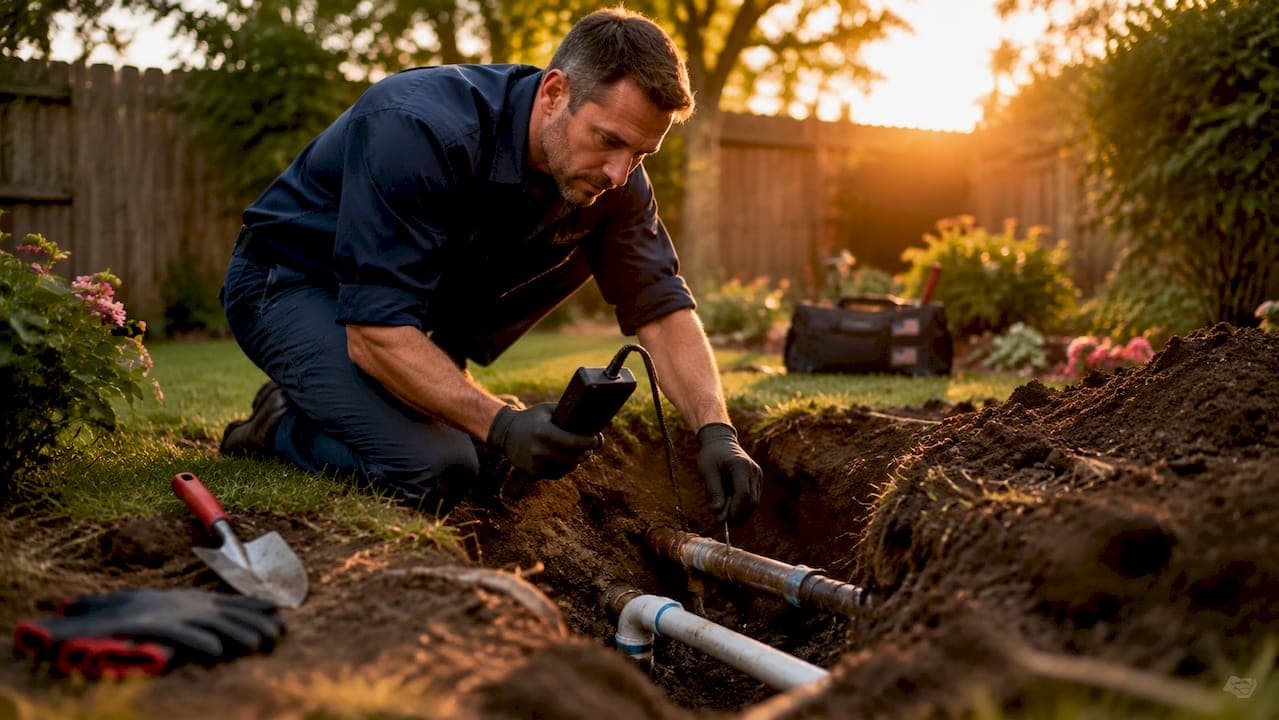
Underground water leaks repair is the process of identifying, locating, and fixing breaks in buried water service lines to stop property damage and water loss before they escalate. Most homeowners don't realize a leak exists until they see a spike in their water bill, soggy patches in the yard, or a drop in water pressure. The good news is that modern detection methods can pinpoint a leak within inches, and repair options range from a simple spot fix to a full trenchless pipe replacement. This guide walks you through every step, from confirming the leak to choosing the right fix and keeping it from happening again.
How to confirm and locate an underground water leak
The fastest way to confirm a buried leak is the water meter test. Shut off every water source in your home, including faucets, toilets, and irrigation, then wait 15–30 minutes to see if the meter dial moves. If it does, water is escaping somewhere between the meter and your house. That single test saves you from calling a plumber for a problem that turns out to be a running toilet.
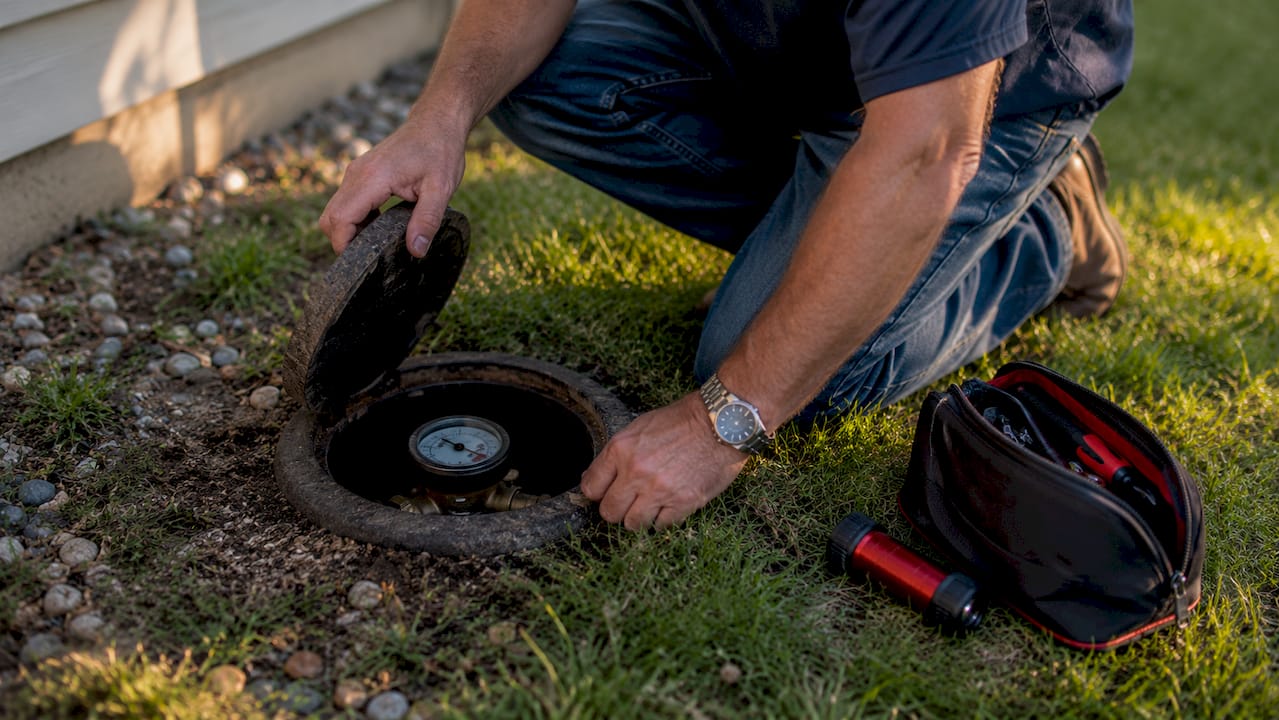
Before you assume the meter is telling you about a buried pipe, rule out other causes. High water bills are frequently caused by running toilets or irrigation systems, not underground pipes. A thorough system check before commissioning any repair avoids unnecessary excavation costs.
Once you confirm the leak is underground, look for these physical signs:
- Unexplained wet or soggy soil in a dry area of your yard
- Sinkholes or depressions forming along the water line path
- Noticeably lower water pressure at indoor fixtures
- Cracks or heaving in driveways and sidewalks above the pipe run
- Unusually green or fast-growing grass in one strip of your lawn
Pro Tip: Do not start digging based on surface signs alone. Soil conditions can shift water several feet from the actual break point, and random excavation often causes more damage than the leak itself.
Professional detection methods worth knowing
Non-invasive detection methods such as acoustic listening, thermal imaging, and tracer gas detection are the industry standard for locating leaks accurately. Each method works differently and suits different conditions.
| Detection method | How it works | Best use case |
|---|---|---|
| Acoustic listening | Microphones detect the sound of water escaping under pressure | Concrete or asphalt surfaces |
| Thermal imaging | Infrared cameras spot temperature differences caused by moisture | Shallow pipes, slab foundations |
| Tracer gas detection | Non-toxic gas injected into pipe; sensor detects where it escapes | Deep pipes, complex soil conditions |
| Video pipe inspection | Camera fed through the pipe captures footage of interior damage | Confirming damage before repair |
Modern detection equipment can pinpoint leaks within inches, minimizing excavation to a small area rather than the entire pipe run. That precision directly lowers your repair bill and protects your landscaping. Always get a professional diagnostic report before any digging begins.
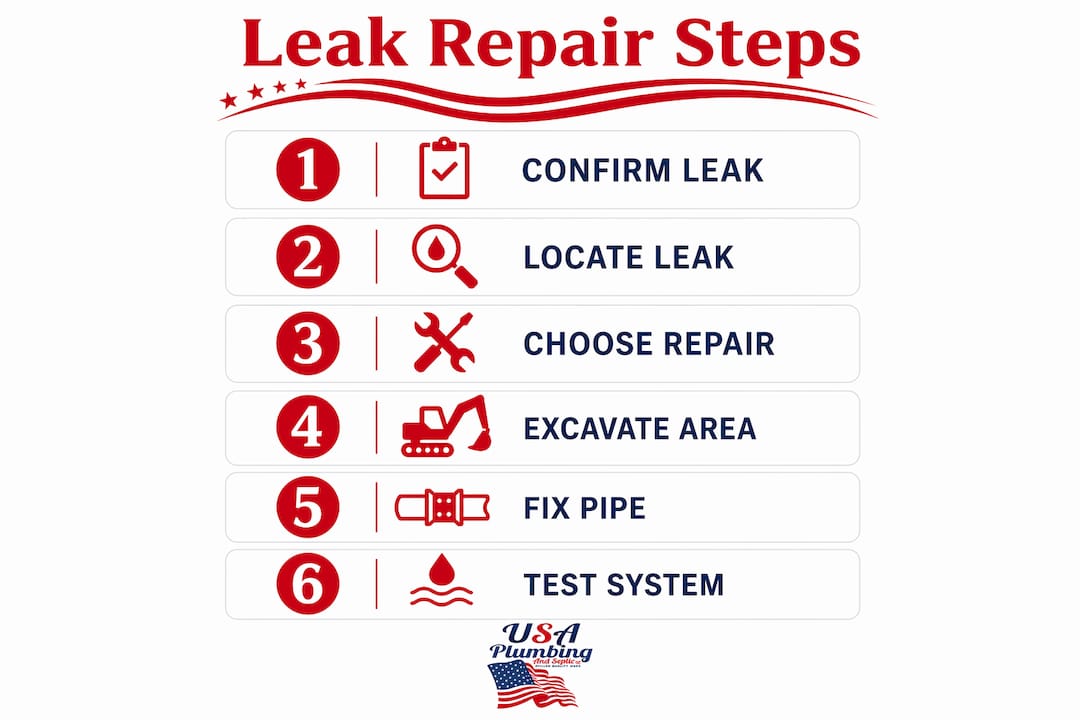
What are the repair options for underground plumbing?
Repairing subterranean pipes is not a one-size-fits-all job. The right method depends on the pipe's age, material, condition, and how much of it is damaged. Here are the four main approaches, in order from least to most invasive.
- Spot repair. A plumber excavates a small area directly over the break, cuts out the damaged section, and replaces it. This works well for newer pipes with a single isolated failure. Cost typically runs $300–$1,000 depending on depth and access.
- Pipe relining (trenchless). A flexible resin liner is inserted into the existing pipe and cured in place, creating a new pipe inside the old one. No major digging required. This method suits pipes with moderate corrosion or small cracks along a longer run.
- Pipe bursting (trenchless). A bursting head is pulled through the old pipe, fracturing it outward while simultaneously pulling a new pipe into place. Ideal for pipes that are too deteriorated to reline but where the trench path is clear.
- Full replacement with directional boring. A boring machine drills a new path underground and pulls new pipe through. This is the most disruptive and expensive option but necessary when the entire line has failed or when the pipe material is no longer serviceable.
Point repairs suit modern pipes with limited damage, but widespread corrosion or multiple leaks call for full replacement to prevent recurring problems. Choosing the wrong method to save money upfront often leads to repeat repairs within a few years.
| Repair method | Best for | Relative cost | Disruption | Longevity |
|---|---|---|---|---|
| Spot repair | Single isolated break | Low ($300–$1,000) | Minimal | 10–20 years |
| Pipe relining | Moderate corrosion, long runs | Medium | Low | 25–50 years |
| Pipe bursting | Severely deteriorated pipe | Medium-high | Low to moderate | 50+ years |
| Full replacement | Complete line failure | High ($1,000–$3,500+) | High | 50+ years |
Pro Tip: For flooding foundations or structural damage, call a professional immediately. Emergency situations require professional intervention, not DIY attempts. The cost of a wrong move far exceeds the cost of a service call.
Who pays for underground water leaks repair?
Cost and responsibility are the two questions homeowners ask most, and the answers are closely linked. Regional utility guidelines assign maintenance responsibility up to the meter vault to the public water authority. Everything from the meter to your house foundation is your responsibility as the property owner. That boundary matters because a leak on your side of the meter is your repair bill.
Typical repair costs vary widely: spot repairs run $300–$1,000, while full line replacements reach $1,000–$3,500 or more depending on site conditions and pipe length. Several factors push costs higher:
- Depth. Pipes buried more than 4 feet require more labor and shoring equipment.
- Pipe material. Galvanized steel and cast iron are harder to work with than modern PVC or copper.
- Accessibility. Pipes under concrete driveways, patios, or landscaping cost more to reach.
- Location. Labor rates in Bullhead City, Fort Mohave, and Mohave Valley differ from national averages.
Before you call a plumber, contact your water utility to confirm exactly where their responsibility ends. Ask them to mark the meter vault location on your property. Some utilities will also inspect the line up to the meter at no charge, which can save you from paying for a repair that is actually their obligation. Check your homeowner's insurance policy as well. Some policies cover sudden and accidental water line breaks, though gradual leaks from corrosion are typically excluded.
Learn more about how minor leaks escalate costs when left unaddressed, especially in the desert climate of the Tri-State area.
How can you prevent future underground leaks?
Prevention costs far less than repair. Inspecting for leaks every 3–5 years by monitoring for wet soil, pressure drops, and movement in paving catches problems early and avoids foundation damage. Pair that schedule with these practical steps:
- Monitor water pressure. Sustained pressure above 80 psi stresses pipe joints and accelerates wear. A pressure-reducing valve at the main entry point keeps the system within safe operating range.
- Manage your landscape. Tree roots are a leading cause of pipe damage. Plant trees and large shrubs at least 10 feet from known water line paths. Roots follow moisture and will find a cracked pipe.
- Install a shut-off valve at the foundation entry point. A shut-off valve installation costs $150–$300 and lets you quickly isolate a leak to determine whether it is inside or outside the home. That diagnostic advantage alone can save hundreds in unnecessary excavation.
- Watch for seasonal soil movement. In areas like Mohave Valley and Fort Mohave, extreme heat causes soil to contract and expand, putting stress on buried pipes. After a hot, dry summer, run the meter test as a quick check.
- Keep records. Document your water line's path, material, and age. That information speeds up every future diagnostic and repair conversation with a plumber.
Pro Tip: Review your 24-hour emergency checklist now, before a leak happens. Knowing where your main shut-off is and having a plumber's number ready cuts response time when every minute counts.
For a deeper look at leak detection techniques including acoustic and thermal methods, the Usaplumbingseptic homeowner guide covers each approach in plain language.
You can also reduce long-term pipe stress by addressing water quality. Hard water accelerates corrosion from the inside out. Water softening and filtration systems in Bullhead City and the Tri-State area extend pipe life significantly.
Key Takeaways
Accurate leak detection before any excavation is the single most important step in underground water leaks repair, saving both money and property damage.
| Point | Details |
|---|---|
| Confirm before you dig | Use the water meter test to verify a leak exists before calling for excavation. |
| Use non-invasive detection | Acoustic, thermal, and tracer gas methods pinpoint leaks within inches, reducing digging costs. |
| Match repair to pipe condition | Spot repairs suit isolated breaks; widespread corrosion requires relining, bursting, or full replacement. |
| Know your responsibility | Property owners are responsible for the line from the meter to the foundation. |
| Inspect every 3–5 years | Routine checks catch early-stage leaks before they cause foundation or structural damage. |
What I've learned from watching homeowners handle underground leaks
The most expensive mistake I see is skipping the diagnostic step. A homeowner notices soggy soil, assumes the worst, and hires someone to dig a trench across the entire yard. Three days and several thousand dollars later, the actual break turns out to be a 6-inch section near the foundation. That outcome is entirely avoidable with a $300 acoustic scan.
The second mistake is treating every leak as a DIY project. The water meter test and a visual inspection of your yard are genuinely within reach for most homeowners. But once you are past confirmation, the repair itself requires tools, permits in many jurisdictions, and knowledge of local soil conditions that most homeowners simply do not have. Trying to reline a pipe without the right equipment creates a second failure point inside the first one.
What actually works is a two-step approach: get a professional diagnostic report first, then choose your repair method based on the pipe's full condition, not just the visible break. That approach consistently delivers lower total costs and longer-lasting repairs. Homeowners who establish a 3–5 year inspection routine almost never face emergency repairs. The ones who wait for a crisis always pay more.
— JOHN
Reliable underground leak repair services from Usaplumbingseptic
When a buried pipe fails in Bullhead City, Fort Mohave, Mohave Valley, or Laughlin, you need a team that shows up fast and diagnoses accurately before touching a shovel. Usaplumbingseptic provides 24/7 professional leak repair services across Mohave County, using acoustic listening, thermal imaging, and video pipe inspection to locate breaks with precision.

Our experienced plumbers handle everything from spot repairs to full trenchless replacements, and we walk you through every cost and responsibility question before work begins. For local homeowners and property managers, our Mohave County plumbing guide covers the services and standards that apply to your area. Call us now or book online. We are ready around the clock.
FAQ
How do I know if I have an underground water leak?
Shut off all water sources and watch your meter for 15–30 minutes. If the dial moves, water is escaping somewhere in your buried line.
What is the least disruptive way to fix a buried pipe?
Trenchless methods such as pipe relining and pipe bursting repair or replace the pipe with minimal excavation, protecting your yard and driveway.
How much does underground water line repair cost?
Spot repairs typically cost $300–$1,000, while full line replacements run $1,000–$3,500 or more depending on pipe length, depth, and material.
Who is responsible for repairing the water line on my property?
The water utility maintains the line up to the meter vault. Everything from the meter to your house foundation is the property owner's responsibility.
Can I use basement waterproofing to address underground water intrusion?
Waterproofing addresses moisture entering the structure, but a broken supply line requires pipe repair first. Basement waterproofing services complement leak repairs by protecting the foundation after the source is fixed.