Drain cleaning is defined as the process of removing buildup, debris, and blockages from inside pipes to restore full water flow. Understanding how drain cleaning works saves you money, protects your plumbing, and helps you avoid the kind of slow-drain spiral that turns a minor annoyance into a costly repair. Grease, hair, soap scum, mineral scale, and even tree roots are the most common culprits behind clogged drains. The drain cleaning process covers everything from a simple plunge at home to professional hydro jetting at 1,500–4,000 PSI. Knowing which method fits your situation is the difference between a 10-minute fix and a $500 service call.
What are the most common methods for cleaning drains?
The drain cleaning process falls into three categories: physical, chemical, and professional. Each works differently, and each fits a different type of clog or pipe condition.
Physical methods
Physical methods are the first line of defense for most household clogs. They work by directly dislodging or pulling out the material blocking the pipe.
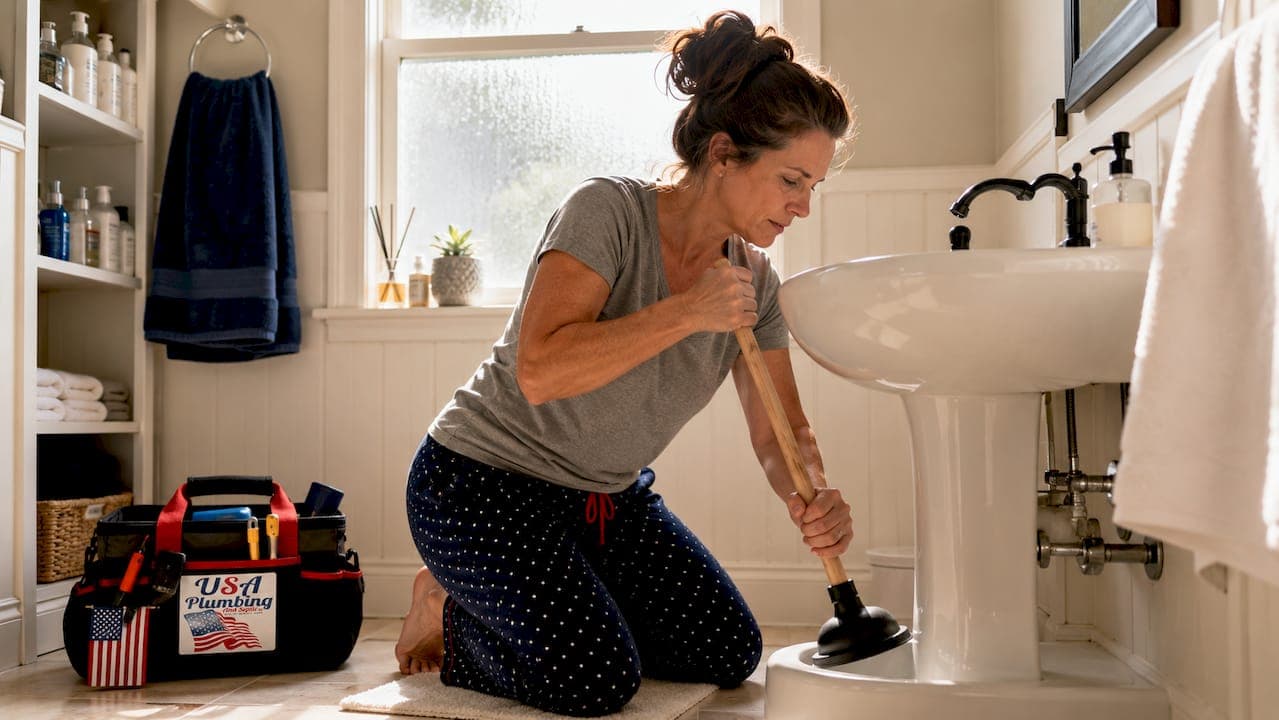
- Plunging: A cup plunger creates suction and pressure to break up soft clogs near the drain opening. A flange plunger works better for toilets. Both require a tight seal to be effective.
- Drain snaking (auger): A drain snake is a flexible metal cable that reaches deep into the pipe to break apart or hook onto a clog. Hand augers handle most sink and tub clogs. Motorized augers tackle tougher blockages in main lines.
- Manual removal: For surface-level clogs, a drain hair catcher or needle-nose pliers can pull debris directly out of the drain opening. This works especially well for bathroom sinks and shower drains.
90% of household clogs resolve in under 10 minutes using physical methods at zero material cost. That number tells you physical tools should always be your first move before reaching for anything else.
Chemical methods
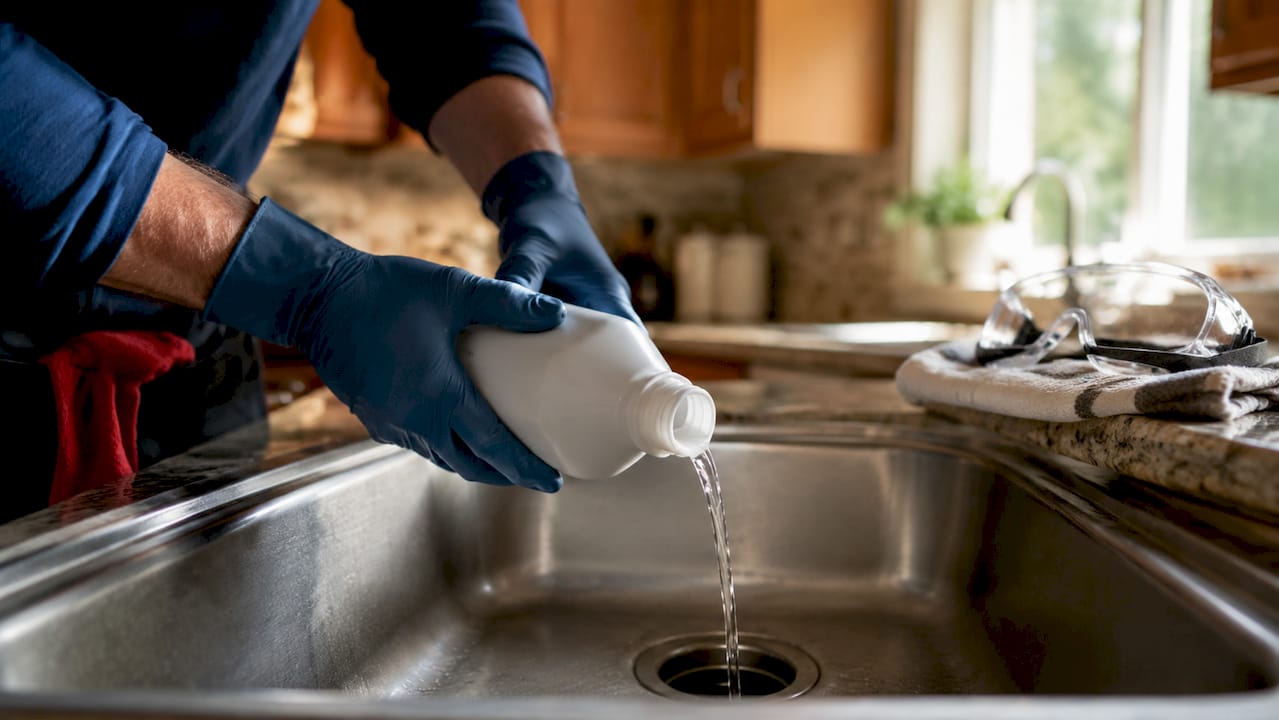
Chemical drain cleaners use either caustic (lye-based), oxidizing (bleach or peroxide-based), or acid-based formulas to dissolve organic material. Enzyme-based cleaners use live bacteria to break down grease and organic waste over time. Enzyme products are slower but far safer for pipes and the environment. Store-bought chemical cleaners like Drano or Liquid-Plumr work fast on soft clogs but carry real risks covered in the next section.
Professional methods
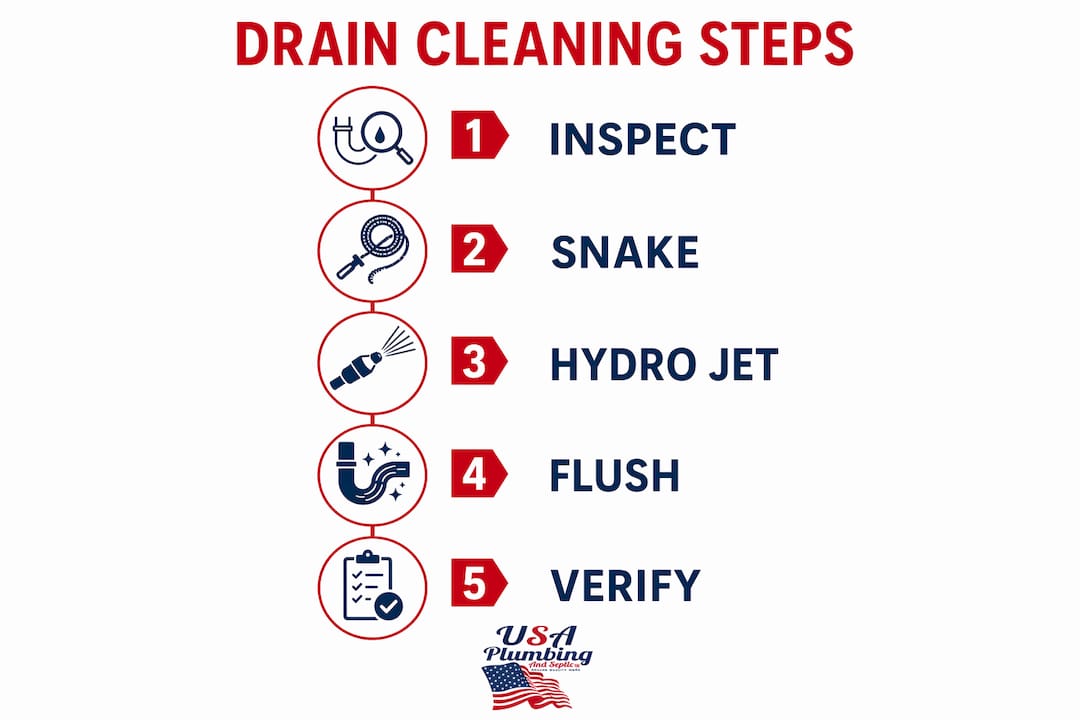
Professional drain cleaning methods go beyond what any homeowner tool can achieve. Hydro jetting cleans the entire pipe wall surface, removing biofilms, grease, and roots completely. Manual snaking only creates a narrow flow channel and leaves residue behind. Video camera inspection is another professional tool. A plumber feeds a waterproof camera through the pipe to see exactly where the clog is and what caused it.
Pro Tip: Before snaking a drain, remove and clean the drain stopper by hand. Hair and soap scum often collect there first, and clearing it takes 30 seconds.
Physical vs. chemical drain cleaning: which is safer?
Physical methods are more effective and safer for your pipes than chemical cleaners in almost every situation. Here is a direct comparison to help you decide.
| Method | Effectiveness | Safety for Pipes | Cost | Best For |
|---|---|---|---|---|
| Plunging | High for soft, near-surface clogs | Safe | $0 | Kitchen and bathroom sinks |
| Drain snake / auger | High for deep clogs | Safe | $0–$50 (DIY) | Hair, grease, debris clogs |
| Chemical cleaners | Moderate for soft clogs only | Risky | $5–$15 | Light organic buildup only |
| Enzyme cleaners | Moderate, slow-acting | Very safe | $10–$20 | Ongoing maintenance |
| Hydro jetting | Very high, full pipe scour | Safe with inspection | $300–$800 | Grease, scale, root intrusion |
Chemical drain cleaners corrode pipes, rarely remove the root cause of clogs, and leave residues that encourage further buildup. That means one bottle of Drano can set you up for another clog within weeks. Professionals strongly warn against routine chemical use for exactly this reason.
The chemistry behind chemical cleaners explains the damage. Caustic cleaners generate heat as they react with water. In older PVC or metal pipes, that heat softens joints and accelerates corrosion. The cleaner may dissolve the top layer of a clog but leave a rough, sticky residue on the pipe wall. Grease and hair then catch on that residue and rebuild the blockage faster than before.
Physical methods avoid all of that. A drain snake reaches the clog directly and either breaks it apart or pulls it out. Nothing is left behind on the pipe wall. For most homeowners, a $20 hand auger from a hardware store handles the majority of clogs they will ever face.
Pro Tip: Never pour chemical drain cleaner into a drain you have already plunged. Splashback from plunging can send caustic liquid onto your skin and eyes. Always choose one method at a time.
When should you call a professional plumber?
Some clogs are beyond what a plunger or snake can fix. Knowing the signs that indicate you need professional drain cleaning protects your pipes from further damage.
Signs you need professional help
You need a professional when you see any of these:
- Multiple fixtures drain slowly at the same time (toilet, sink, and tub all backing up)
- The same drain clogs repeatedly within weeks of clearing it
- You hear gurgling sounds from drains when you flush a toilet
- Water backs up into a tub or floor drain when you run the washing machine
- You notice foul odors coming from multiple drains
These signs point to a problem in the main sewer line, not just a single fixture drain. A camera inspection visually diagnoses clog causes and informs whether snaking or hydro jetting is needed, preventing ineffective treatments. Without that diagnosis, a plumber is guessing. With it, the right tool gets used the first time.
Professional drain cleaning costs
| Service | Typical Cost | Best For |
|---|---|---|
| Standard drain snaking | $75–$200 | Single fixture clogs |
| Video camera inspection | $100–$300 | Diagnosing recurring or unknown clogs |
| Hydro jetting | $300–$800 | Grease buildup, scale, root intrusion |
| Full sewer line cleaning | $400–$1,000 | Main line blockages |
Hydro jetting services cost $300–$800 depending on blockage severity and accessibility. That price reflects the power behind the method. Hydro jetting uses high-pressure water at 1,500–4,000 PSI to fully scour pipe interiors, which is far more thorough than manual snaking. For a drain with years of grease and scale buildup, hydro jetting restores the pipe to near-original diameter. That is something no chemical cleaner or snake can claim.
Understanding signs you need a professional plumber early prevents small problems from becoming sewer line replacements.
How to maintain drains and prevent clogs at home
Routine maintenance is the most cost-effective drain cleaning strategy available. Consistent light cleaning with hot water, dish soap, and baking soda/vinegar flushing prevents buildup from hardening into serious clogs. Here is a simple monthly routine that works.
- Flush with hot water and dish soap weekly. Boil a full kettle of water and pour it slowly down the drain. Follow with a squirt of dish soap. This loosens fresh grease before it hardens on pipe walls.
- Use the baking soda and vinegar method monthly. Pour 1 cup of baking soda followed by 1 cup of white vinegar down the drain. Let it sit for 30 minutes, then flush with boiling water. This loosens organic residue without harming pipes. You can also read about this routine in guides covering drain maintenance tips and cleanout access.
- Install drain strainers on every fixture. A $3–$5 mesh strainer catches hair, food particles, and soap chunks before they enter the pipe. Empty it after every shower or dish washing session.
- Keep grease out of kitchen drains. Pour cooled cooking grease into a container and throw it in the trash. Grease is the number one cause of kitchen drain clogs because it coats pipe walls and traps everything else that flows past.
- Plunge correctly. Homeowners often misuse plungers by failing to cover overflow holes, which kills suction. For bathroom sinks, cover the overflow hole with a wet rag before plunging. For tubs, cover the overflow plate. That one step dramatically improves results.
Avoid putting coffee grounds, pasta, rice, or fibrous vegetables down kitchen drains. These materials do not break down easily and accumulate quickly. For more on eco-friendly drain care, natural methods like baking soda and enzyme cleaners are the right long-term choice.
Key takeaways
Drain cleaning works by physically or chemically removing buildup from pipe walls, and physical methods combined with routine maintenance are the most effective and safest approach for most homeowners.
| Point | Details |
|---|---|
| Physical methods first | Plunging and snaking resolve most clogs at zero cost before any other method is needed. |
| Avoid chemical cleaners | Chemical products corrode pipes and leave residue that causes faster repeat clogs. |
| Hydro jetting for serious buildup | Professional hydro jetting at 1,500–4,000 PSI fully restores pipe diameter where snaking cannot. |
| Routine maintenance prevents clogs | Monthly baking soda and vinegar flushes stop buildup from hardening into major blockages. |
| Call a pro for multiple fixtures | Slow drains across multiple fixtures signal a main line issue that requires camera inspection. |
What i've learned after years of watching homeowners fight their drains
The most common mistake I see is homeowners reaching for a bottle of chemical drain cleaner the moment a drain slows down. It feels like the logical move. The bottle is right there under the sink, it promises fast results, and it costs $8. The problem is that it almost never solves the actual problem. It dissolves just enough of the clog to let water pass, then leaves a sticky residue that grabs the next wave of hair and grease. Three weeks later, the drain is slow again.
The second mistake is giving up on a plunger too quickly. Most people plunge for 10 seconds, see no result, and move on. Effective plunging takes 15–20 firm strokes with a proper seal. Covering that overflow hole is not optional. It is the whole game. I have watched homeowners struggle with a clog for days that a properly sealed plunger cleared in 90 seconds.
My honest recommendation: own a good cup plunger and a hand auger. Use them first, every time. Run the baking soda and vinegar routine once a month. Install strainers on every drain in your home. Do those four things consistently and you will rarely need a professional for routine clogs.
Where I do recommend calling a professional without hesitation is when multiple drains back up at once, or when a clog returns within two weeks of clearing it. Those are not fixture problems. They are main line problems, and attempting to snake a main line without a camera inspection first is how you spend $200 on a service call that does not fix anything. A camera inspection costs more upfront but tells you exactly what you are dealing with. That knowledge is worth every dollar.
— JOHN
Get reliable drain cleaning help from Usaplumbingseptic
When DIY methods are not enough, Usaplumbingseptic is ready to help. We serve Bullhead City, Fort Mohave, Mohave Valley, and Laughlin with professional drain cleaning services including hydro jetting, video camera inspection, and full sewer line cleaning.
Our team uses professional-grade equipment to diagnose and clear clogs the right way the first time. We are available 24/7 for emergency drain issues, and we offer affordable pricing for routine maintenance and inspections. Whether you have a stubborn kitchen clog or a main line backup, we have the tools and experience to fix it fast. Contact Usaplumbingseptic today to schedule an inspection or get same-day service. Your pipes deserve more than a temporary fix.
FAQ
What does drain cleaning actually do?
Drain cleaning removes buildup coating pipe walls, restoring the full interior diameter of the pipe. It is more thorough than simple unclogging, which only clears the blockage without addressing residue.
How often should you clean your drains?
A monthly baking soda and vinegar flush is enough for most households. Kitchen drains used heavily for cooking benefit from a weekly hot water and dish soap rinse as well.
Is hydro jetting safe for older pipes?
Hydro jetting is safe for most pipes, but a video camera inspection should be done first to check pipe condition. Severely corroded or cracked pipes may need repair before high-pressure cleaning is applied.
When is a slow drain a sign of a bigger problem?
A single slow drain usually points to a localized clog. When multiple fixtures drain slowly at the same time, that signals a main sewer line blockage that requires professional diagnosis.
Can you use baking soda and vinegar every month?
Yes. The baking soda and vinegar method is safe for all pipe types and works well as a monthly maintenance routine to loosen organic residue before it hardens.