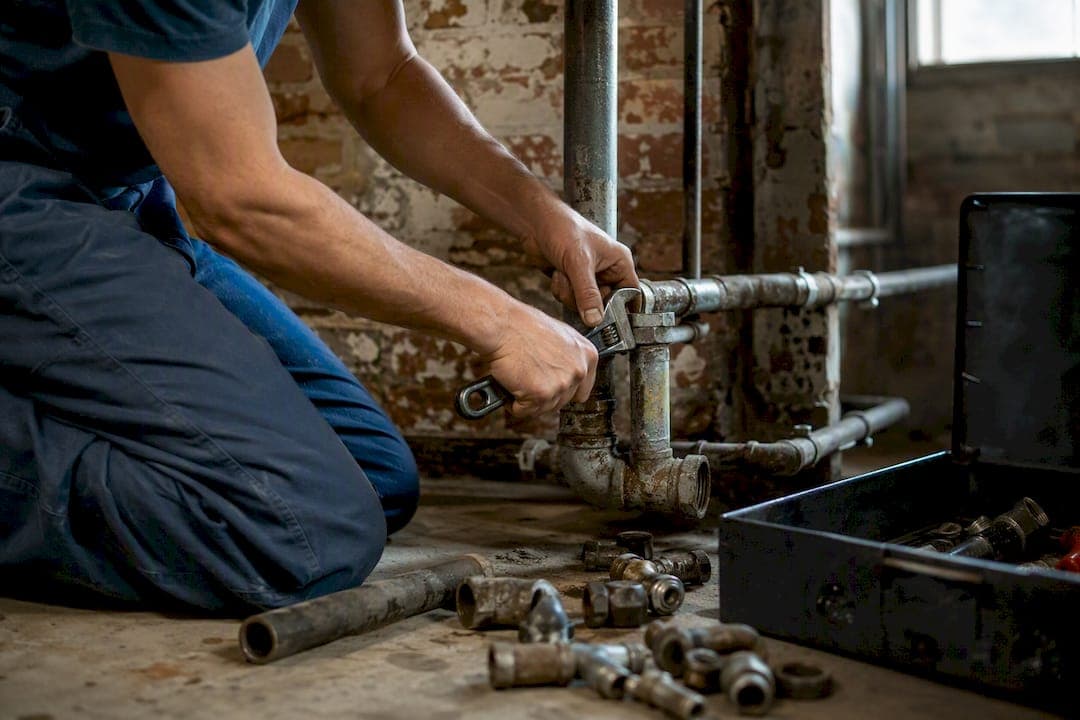
Whole-house galvanized pipe replacement typically runs $2,000 to $15,000, with most homeowners landing between $4,500 and $10,000. Material choice (PEX versus copper) and access difficulty (crawlspace versus slab) drive the swing between the low and high end. If your pipes are over 40 years old or you're dealing with rusty water and dropping pressure, get written quotes now rather than waiting for a pipe to fail.
TL;DR:
- Whole-house galvanized pipe replacement costs usually range from $4,500 to $10,000 for most homes, depending on size and access difficulty.
- Material choice significantly impacts price, with PEX averaging $4,500 to $10,000 versus copper's higher upfront cost but longer durability.
- Access issues, fixture count, and finish repairs can add thousands to the estimate, especially for slab or multi-story homes.
- A detailed, itemized bid helps prevent overcharging; homeowners should confirm scope, materials, permit handling, and warranties before signing.
- Unexpected costs such as mold, asbestos, or fixing hidden damage often arise, so budgeting for these factors is essential.
Table of Contents
- How Much Does Galvanized Pipe Replacement Cost?
- PEX vs Copper: Which Material Fits Your Budget?
- What Drives Your Repipe Estimate Up or Down?
- How Does the Repipe Process Actually Work?
- Should You Repair or Fully Repipe?
- What Should You Ask Before Accepting a Quote?
- Will Insurance or a Warranty Cover Any of This?
- How Long Does a Whole-House Repipe Take?
- Does Your Location Change the Price?
- What Hidden Costs Should You Budget For?
- On-the-Job Lessons From Repiping Homes
- Ready to Get a Repipe Estimate?
- Sources
- FAQ
How Much Does Galvanized Pipe Replacement Cost?
The dollar figures vary more than most homeowners expect, and the reason almost always traces back to two things: what the new pipe is made of, and how hard the crew has to work to reach the old lines. National cost guides put the whole-house replacement range at roughly $2,000 to $15,000, while specialist repipe contractors report a common range closer to $2,500 to $18,000 once you factor in complicated access and larger homes.
Here's roughly what that looks like by home size:
- Under 1,000 sq ft: $2,000–$5,000, usually 1 bathroom and a compact fixture count
- 1,000–1,500 sq ft: $4,500–$8,000, typical for a 2 bath single-story home
- 1,500–2,000 sq ft: $7,000–$11,000, especially with two stories or a partial slab
- 2,000+ sq ft: $10,000–$15,000+, common in larger homes with multiple bathrooms and long pipe runs
A full PEX repipe averages $4,500 to $10,000 for most homes, which is why it's become the default recommendation for straightforward jobs.
Your invoice usually breaks down into five categories, and understanding what each one covers helps you spot a lowball bid before you sign it:
- Materials: pipe, fittings, valves, and connectors
- Labor: the largest single line item, often a substantial share of total cost
- Permits: required by most municipalities for a whole-house repipe
- Disposal: hauling and recycling the old galvanized pipe
- Finish repairs: drywall patching, paint, and flooring restoration after access cuts
Pro Tip: Ask every plumber to itemize labor and materials separately on the estimate. A single lump-sum number tells you nothing about whether you're being overcharged for one or underestimated on the other.
For a broader look at how these numbers compare to smaller repair jobs, our plumbing repair cost guide breaks down pricing for fixes that stop short of a full repipe.
PEX vs Copper: Which Material Fits Your Budget?
Material choice moves your total cost more than almost any other single decision. PEX tubing runs about $1.50 to $4.00 per linear foot installed, compared to $3 to $8 for copper, and that gap compounds fast across a house with hundreds of feet of pipe.
PEX is also flexible enough to snake through existing framing without extensive cutting, which often trims labor hours compared to rigid copper runs. Copper lasts longer in some conditions and holds up better against certain water chemistries, plus some buyers view it as a premium feature at resale.
- PEX: lower material and labor cost, faster installation, expected service life of several decades
- Copper: higher upfront cost, longer track record, better resistance in some high-heat or high-mineral water situations
- PVC: typically reserved for drains and vents rather than pressurized supply lines
Pro Tip: If you're selling within a few years, ask your agent whether local buyers in your market specifically ask about copper. In most regions, PEX satisfies inspectors and buyers just as well at a lower price.
Whichever material you choose, insist on components that meet the EPA's lead-free standards for drinking water plumbing.
What Drives Your Repipe Estimate Up or Down?
Access is the biggest hidden multiplier. Slab-hosted plumbing often requires coring or concrete cutting, which adds hours of labor compared to a simple attic or crawlspace run. A single-story home with attic access is close to a best-case scenario; a two-story home with pipes buried in a slab foundation sits at the opposite end.
Other cost drivers to watch:
- Fixture count: each bathroom, kitchen, and hose bib adds connection points and labor time
- Finish repairs: excluding drywall patching from a quote can add $1,000 to $5,000 once the plumbing work wraps up
- Local labor and permit rates: vary by municipality and can shift a bid by hundreds of dollars
Old pipe runs almost always reveal something once walls come down, whether it's outdated wiring nearby or a fitting that's rusted solid.
How Does the Repipe Process Actually Work?
A whole-house repipe follows a fairly predictable sequence, whether the crew is working through a crawlspace or fighting a slab.
- Inspection and mapping. The plumber traces existing galvanized runs, notes fixture locations, and confirms access points before quoting the final scope.
- Shutoff and removal. Water gets shut off, old galvanized sections come out, and the crew hauls the scrap for disposal or recycling.
- New line installation. PEX or copper runs get installed and tied into every fixture, from the water heater to the outdoor spigot.
- Pressure testing and inspection. The system gets pressure tested, then a municipal inspector signs off before walls close back up.
- Finish work. Drywall patching, texture matching, and paint restore the areas the crew had to open, assuming that scope is included.
Should You Repair or Fully Repipe?
Age and symptoms tell you almost everything you need to know. Galvanized pipe starts corroding from the inside as zinc coating wears away, and pipe past 40 to 50 years old is usually closer to failure than a homeowner realizes.
- Repair makes sense when: you have one isolated leak, the pipe is under 30 years old, and water pressure elsewhere in the house is still strong
- Repipe makes sense when: you've had repeated leaks, water runs rusty or discolored, or pressure has dropped house-wide
- Selling within 2 to 3 years? A documented repipe is often a stronger selling point than a patchwork repair history, especially with buyers who ask for inspection reports
Chronic small leaks add up fast. Our breakdown of how minor leaks cost Bullhead City homeowners walks through the math on repair-and-repeat versus committing to a full repipe.
What Should You Ask Before Accepting a Quote?
A written, itemized quote protects you from change orders and scope disputes down the line. Before you sign anything, confirm these details in writing:
- Material type and linear feet included, not just a flat "whole house" description
- Whether drywall, texture, and paint are included, and who handles touch-ups if colors don't match
- Permit handling: does the plumber pull permits, and is that fee baked into the estimate?
- License, insurance, and repipe-specific experience, not just general plumbing work
- Payment schedule: a fair deposit is typically 10 to 30%, with the balance due on completion and inspection sign-off
Pro Tip: Get at least two written bids covering the exact same scope. If one bid is dramatically lower, ask specifically what it excludes; that's usually where the difference lives.
For a deeper planning walkthrough, see our guide on how pipe replacement planning works, and check this renovation quote comparison guide for general tips on spotting mismatched scopes across contractor bids.
Will Insurance or a Warranty Cover Any of This?
Most homeowner policies exclude normal wear and corrosion, which is exactly what causes galvanized pipe failure. Some policies do cover consequential damage, like water remediation after a pipe bursts, even when the pipe itself isn't covered.
- Confirm whether your policy covers resulting water damage, even if it excludes the pipe replacement itself
- Permits and inspections are standard for whole-house repipes; verify who pulls them and confirm the fee is in your written estimate
- Ask for documented warranty coverage on both labor and materials before work begins
For more on how permit and inspection fees typically factor into a project, our plumbing inspection cost guide covers what municipalities usually charge.
How Long Does a Whole-House Repipe Take?
A single-story home with attic access typically wraps in 2 to 3 days. Multi-story homes or slab work can stretch to several days or beyond two weeks, depending on how much concrete cutting is involved.
Expect daily disruptions during that window:
- Water shutoffs for stretches of each day while old lines come out and new ones tie in
- Temporary rerouting to keep at least one bathroom functional when possible
- Limited access to certain rooms while walls or flooring are opened
Slab work tends to run closer to the higher percentage given how often concrete work turns up surprises.
Does Your Location Change the Price?
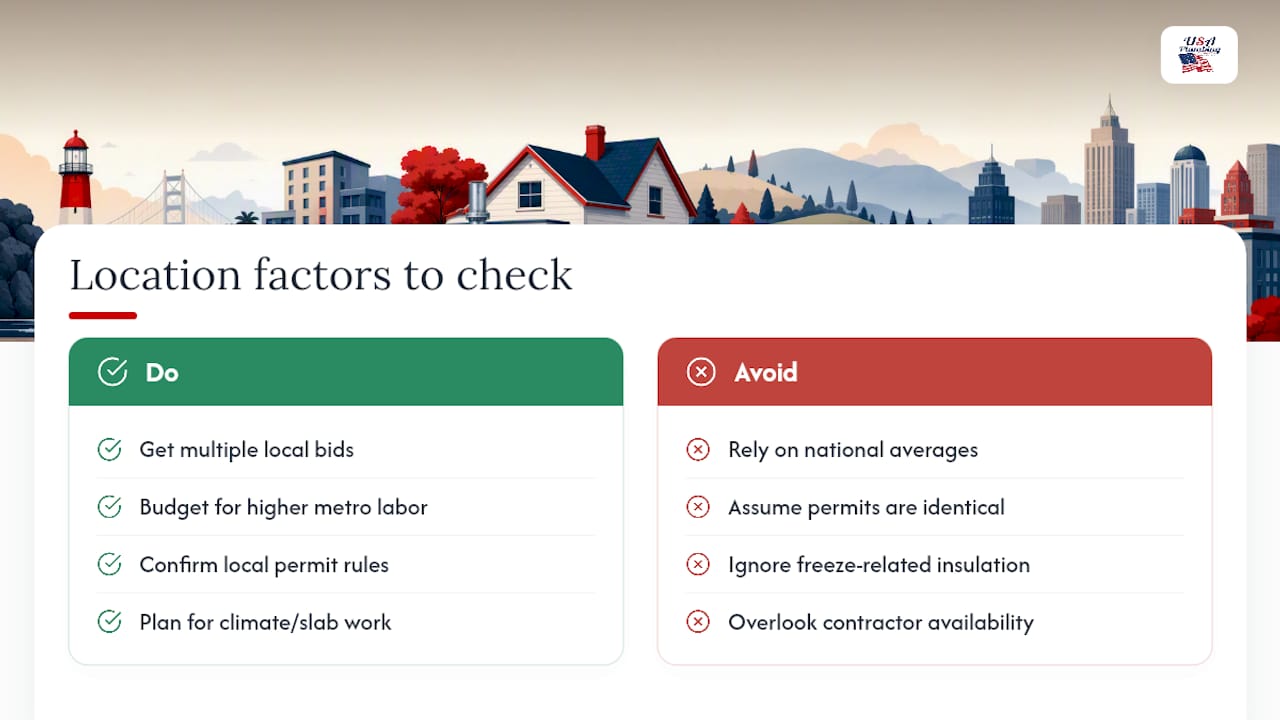
Regional labor rates and local code requirements shift repipe costs more than most homeowners expect. Coastal markets and major metro areas typically carry higher hourly labor rates than rural or smaller markets, and that difference alone can shift a bid by $1,000 or more on an identical scope of work.
Municipal permit fees vary just as widely. Some cities charge a flat plumbing permit fee, while others calculate it based on the number of fixtures or the total project value, which means two identical homes in different towns can see permit costs that differ by several hundred dollars.
Climate matters too. Homes in freeze-prone regions often need additional insulation or rerouting away from exterior walls, adding material and labor time that milder climates skip entirely. Homes built on slab foundations, more common in warmer regions of the country, tend to push toward the higher end of the cost range regardless of local labor rates, simply because slab access work is expensive everywhere.
Older housing stock in a given region also plays a role. Neighborhoods built primarily in the 1950s and 1960s, when galvanized pipe was standard, often have entire blocks facing repipe decisions around the same time, which can affect contractor availability and how fast you get on someone's schedule. Getting multiple local bids matters more than any national average, because your specific city's labor market and code requirements are the numbers that actually apply to your project.
What Hidden Costs Should You Budget For?
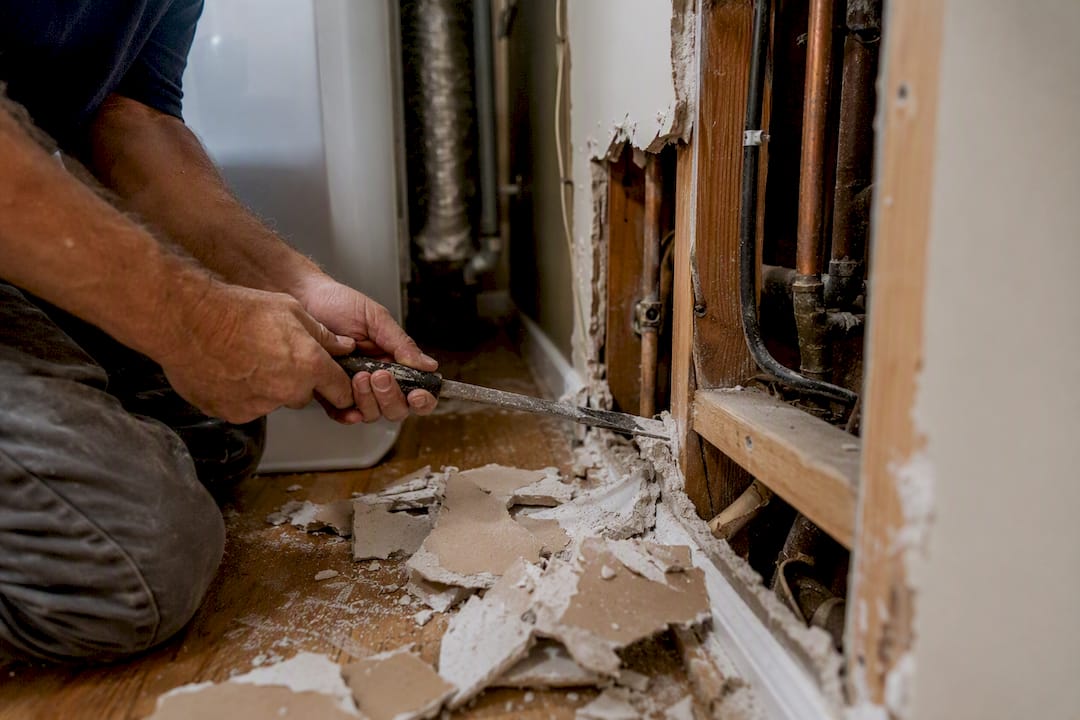
The estimate you sign rarely captures everything a repipe uncovers once walls open up. Code upgrades are one of the most common surprises: if your home's electrical or venting doesn't meet current code, inspectors can require upgrades in the same walls the plumber just opened, even if that work has nothing to do with the pipes themselves.
Mold remediation is another possibility, particularly in homes that have had slow leaks for years without anyone noticing. If a plumber finds water damage or mold behind a wall during removal, that's a separate remediation cost on top of the repipe itself, and it can range from a few hundred dollars for a small spot treatment to several thousand for a larger contamination.
Other costs that catch homeowners off guard include:
- Asbestos testing in homes built before the 1980s, if old pipe insulation needs disturbing
- Unexpected fixture replacement when an old shutoff valve or connector crumbles during removal
- Landscaping repair if any portion of the water line runs outside the foundation and needs trenching
- Water heater compatibility issues when new supply lines reveal the existing unit needs updated connections
None of these are common on every job, but a contractor who has done dozens of repipes should be able to flag likely risks during the initial walkthrough, before you're locked into a fixed price that doesn't account for them.
On-the-Job Lessons From Repiping Homes
We've walked into enough attics and crawlspaces to know where estimates go wrong: it's almost always a scope gap, not a pricing error. Before we ever quote a job, we ask homeowners for photos of visible pipe, a list of fixtures, and any known access points. That single step avoids the change orders that frustrate homeowners most.
Our written estimates spell out exactly what's included, and any change gets documented before we touch it. For more planning context, our Mohave County plumbing essentials guide covers additional considerations specific to older homes in our service area.
— JOHN
Ready to Get a Repipe Estimate?
Usaplumbingseptic gives you what a generic handyman quote can't: a crew that repipes homes regularly, prices the job in writing before we touch a wall, and handles permit paperwork so you're not chasing city hall yourself. We cover whole-house repipes, slab access work, and everything in between, backed by workmanship warranties and 24/7 availability if something goes wrong mid-project.

Before your site visit, pull together a rough fixture count and note any rooms with rusty water or weak pressure. That's all we need to start scoping your project accurately. Ready to move forward? Request a written estimate and we'll schedule a site visit to map your existing lines and give you a firm number, not a guess.
Sources
- Use lead-free pipes, fittings, fixtures, solder, and flux for drinking water | EPA
- How Much Does It Cost to Install or Replace Plumbing? (2026) | HomeGuide
- Galvanized whole house repiping cost guide | AmazingFlash
- Cost to Replace Galvanized Pipes – CurrentCost
FAQ
Will Insurance Cover Replacing Galvanized Pipes?
Most homeowner policies exclude gradual wear and corrosion, which is the cause of nearly all galvanized pipe failure, though some policies cover resulting water damage.
Is It Worth It to Replace Galvanized Pipes?
Yes, for homes with pipe over 40 years old or symptoms like rusty water and dropping pressure, since replacement typically costs less than the accumulated cost of repeated repairs and potential water damage.
What Is the Price of a 20-Foot Galvanized Pipe Run?
Using PEX at roughly $1.50 to $4.00 per linear foot installed, a short run typically costs a few tens of dollars in materials alone, before labor.
Can You Replace Galvanized Pipes Yourself?
Most municipalities require a licensed plumber and permit for whole-house repiping, and DIY attempts risk failed inspections, code violations, and voided warranties on materials.