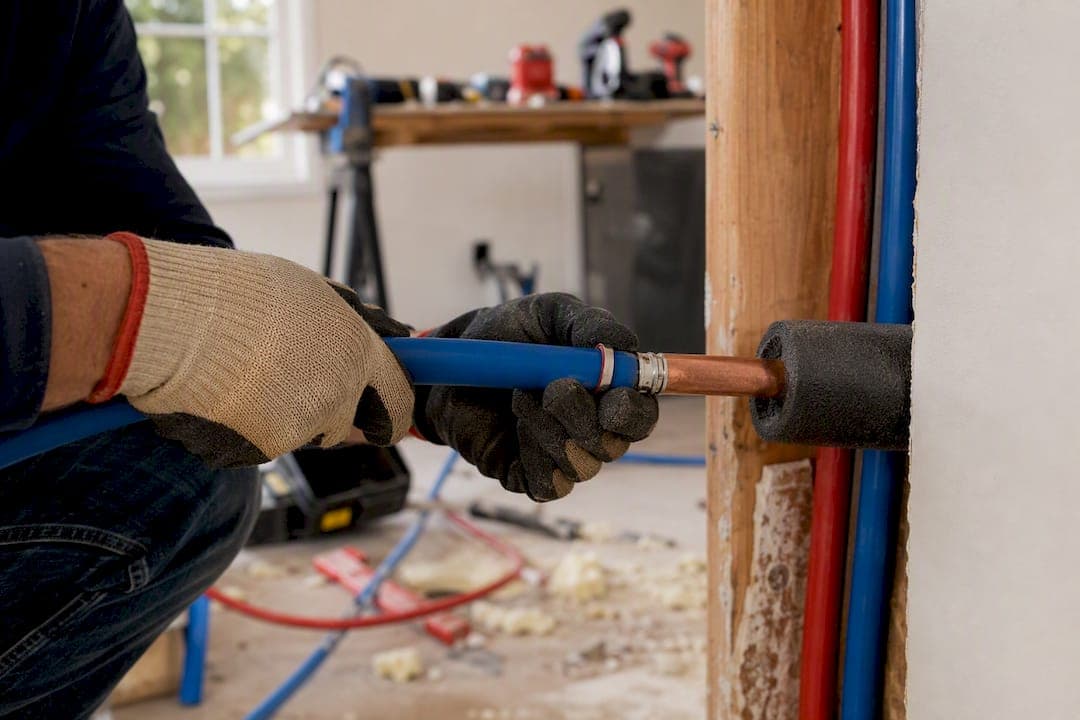
Expect to pay roughly several thousand dollars to repipe a typical U.S. single-family home, with most jobs landing near $7,500. That range swings hard based on three things: the pipe material you choose, whether your home sits on a slab or has crawlspace/attic access, and how many fixtures need new lines run to them.
Here's what moves the needle most:
- Material: PEX repipes typically run $3,500 to $11,000, while copper costs 40 to 60% more for the same job.
- Access: Slab foundations often add 25 to 50% to labor costs versus a home with an open crawlspace or attic.
- Permits: Most jurisdictions charge $50 to $850 in permit fees, and skipping this step can void your homeowner's insurance if a leak happens later.
Pro Tip: Don't budget off a phone estimate. Two homes with identical square footage can price thousands of dollars apart depending on wall routing and fixture placement, so the number that matters is the one a plumber gives you after walking your property.
The immediate next step is simple: schedule an in-person walkthrough with a licensed local plumber before you commit to a number you saw online. Everything below explains why that walkthrough changes the price, and how to make sure the written quote you get back is one you can trust.
Key Takeaways
A house repipe cost depends far more on labor, access, and pipe material than on square footage alone, and a written quote from an in-person walkthrough is the only reliable number to budget against.
| Point | Details |
|---|---|
| Budget the national range | Reserve $4,000 to $15,000 for a whole-house repipe, with most homeowners landing near $7,500. |
| Material drives cost | PEX runs $3,500 to $11,000 installed; copper costs 40 to 60% more for the same scope. |
| Labor is the biggest line item | Labor makes up 60 to 70% of the total bill, with permits and drywall repair as common add-ons. |
| Access changes everything | Slab foundations can add 25 to 50% to labor costs compared to crawlspace or attic access. |
| Get a local walkthrough | Usaplumbingseptic offers in-person estimates across Bullhead City, Fort Mohave, Mohave Valley, and Laughlin before you commit to a quote. |
Table of Contents
- House Repipe Cost by Home Size, Fixtures, and Pipe Material
- What Changes Your Repipe Quote (And Why)
- How Long a Repipe Takes and What to Expect at Home
- Getting an Accurate Quote Instead of a Guess
- Partial Repair or Whole-House Repipe? How to Decide
- Local Repipe Costs and Walkthroughs in the Bullhead City Area
- What Most Repipe Guides Get Wrong
- Book a Walkthrough With Usaplumbingseptic
- Sources
- FAQ
House Repipe Cost by Home Size, Fixtures, and Pipe Material
Square footage gets you in the ballpark, but fixture count and pipe choice decide where you actually land. A 1,200 to 2,000 square foot home with two bathrooms commonly falls into a $6,500 to $11,000 range for a full repipe. Smaller homes with a single bathroom often come in under that band; larger homes with three or more bathrooms, a kitchen island sink, and a laundry hookup push past it.
Here's a rough sizing guide for whole-house PEX or copper jobs:
- 1,000 sq ft, 1 bath: $4,000 to $6,500
- 1,500 sq ft, 2 baths: $6,500 to $9,500
- 2,000 sq ft, 2 to 3 baths: $7,500 to $12,000
- 2,500+ sq ft, 3+ baths: $10,000 to $15,000 or more
These bands assume standard access. A two-story home, a finished basement you don't want cut open, or a slab foundation will push you toward the top of each range or beyond it.
Pipe material changes the math more than square footage does
Material is the single biggest lever in your final number, and it's not close. PEX reduces both material and labor time compared with copper because it uses fewer joints, bends around obstacles without special fittings, and doesn't require sweating connections at every turn. That's why PEX has become the default choice for most residential repipes in the last decade, including here in Arizona where extreme summer heat makes copper's rigidity a bigger installation headache.
CPVC sits close to PEX on raw material cost but takes longer to install because each joint needs solvent-welded fittings and cure time. Copper remains the most durable option and the one many buyers still expect to see in a home inspection report, but you're paying a real premium for that reputation.
Statistic Callout: Labor typically eats up 60 to 70% of your total repipe bill, not materials. A $9,000 job might only include $2,700 to $3,600 in actual pipe and fittings. The rest covers demolition, routing, permits, inspections, and putting your walls back together.
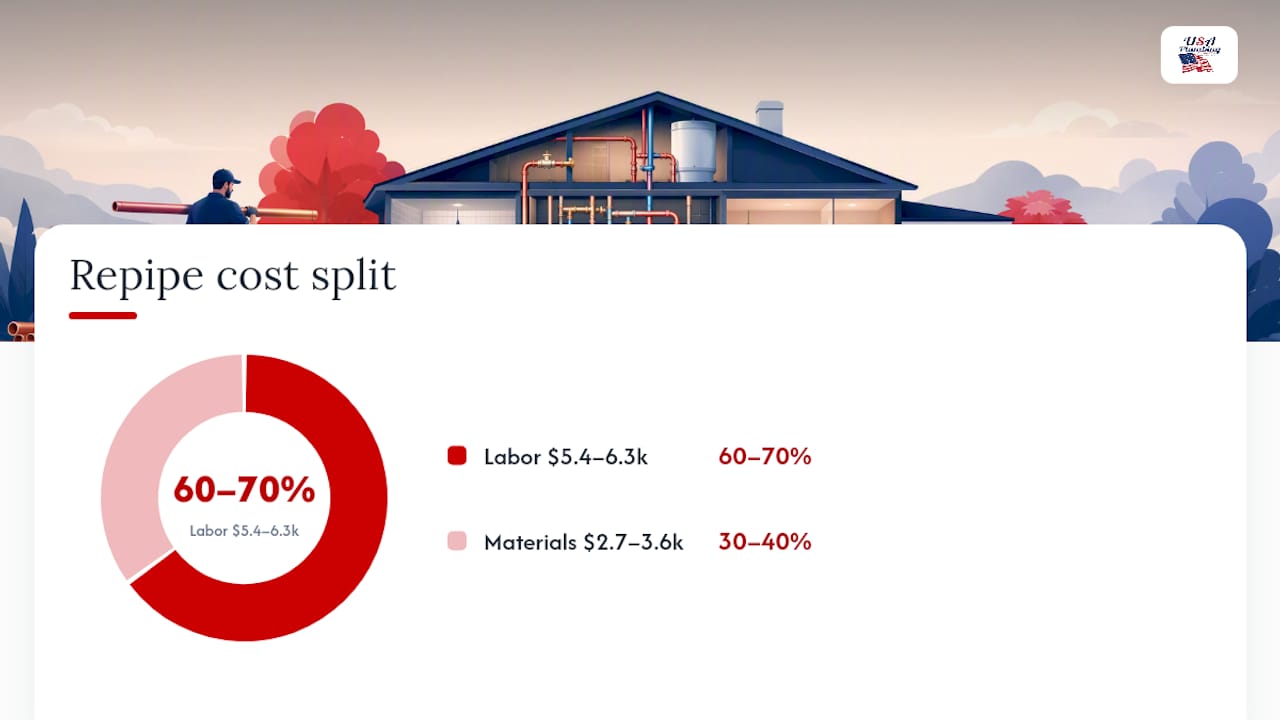
That labor share is why two contractors quoting the same pipe material can still land $2,000 apart. One crew works faster because they've done your exact home layout before; another pads the bid because they're not confident about what's behind your drywall until they open it up.
What Changes Your Repipe Quote (And Why)
Every repipe quote is built from the same handful of variables, and knowing them helps you read a bid instead of just trusting the bottom-line number.
- Foundation type. Slab-on-grade homes often cost 25 to 50% more to repipe than homes with a crawlspace, because running new lines means either cutting into concrete or rerouting entirely through the attic and walls. Many plumbers now prefer the second option: abandoning the old under-slab lines rather than jackhammering, which trades some routing complexity for lower risk and often a lower final bill.
- Number of stories. A two-story home needs vertical stacks run through interior walls, which means more wall access points, more drywall patches, and more time per fixture than a single-story layout with the same square footage.
- Finish work. Drywall, tile, and flooring repair is the cost homeowners consistently underestimate. It can add $1,000 to $5,000 depending on how many access cuts are needed and whether your contractor needs to match existing tile or paint.
- Permits and inspections. Fees typically run $50 to $850 depending on your city, and most jurisdictions require a rough-in inspection before walls close up and a final inspection before sign-off.
- Local labor rates. Regional labor pricing shifts the bottom line more than material cost swings do for a typical job. Metropolitan coastal markets commonly add several thousand dollars to the same scope of work you'd get in a smaller market.
Pro Tip: Ask your plumber whether they're planning to reroute through the attic instead of cutting the slab. It's often faster, less invasive, and cheaper in the long run, but not every contractor offers it as an option unless you ask.
How Long a Repipe Takes and What to Expect at Home
Most whole-house repipes run three to seven working days from the first cut to the final walkthrough. Partial repipes, covering just a bathroom or a single problem zone, often wrap in one to two days.
The typical project moves through these stages:
- Walkthrough and written quote — a day or two before work starts, sometimes longer if permits need to be filed first.
- Permit approval — can take anywhere from same-day to a couple of weeks depending on your city's backlog.
- Demolition and access — opening walls, ceilings, or minimal slab sections to reach old lines.
- Rough-in of new pipe — running and connecting the new PEX, copper, or CPVC lines.
- Rough-in inspection — an inspector checks the work before anything gets closed up.
- Drywall, patching, and finish repair — this stage often takes longer than the plumbing itself.
- Final inspection and sign-off — confirming water pressure, checking for leaks, and closing the permit.
Expect intermittent water shutoffs throughout, usually a few hours at a time rather than the whole project. If you have only one bathroom, ask your contractor how they'll sequence work so you're not without water overnight. Planning your own schedule around a repipe follows the same logic as planning a construction timeline for any home project: build in buffer days, because inspection scheduling is the most common source of delay, not the plumbing work itself.
Getting an Accurate Quote Instead of a Guess
An online cost calculator can only give you a range. An actual quote comes from someone standing inside your walls, looking at what you have and what it will take to replace it.
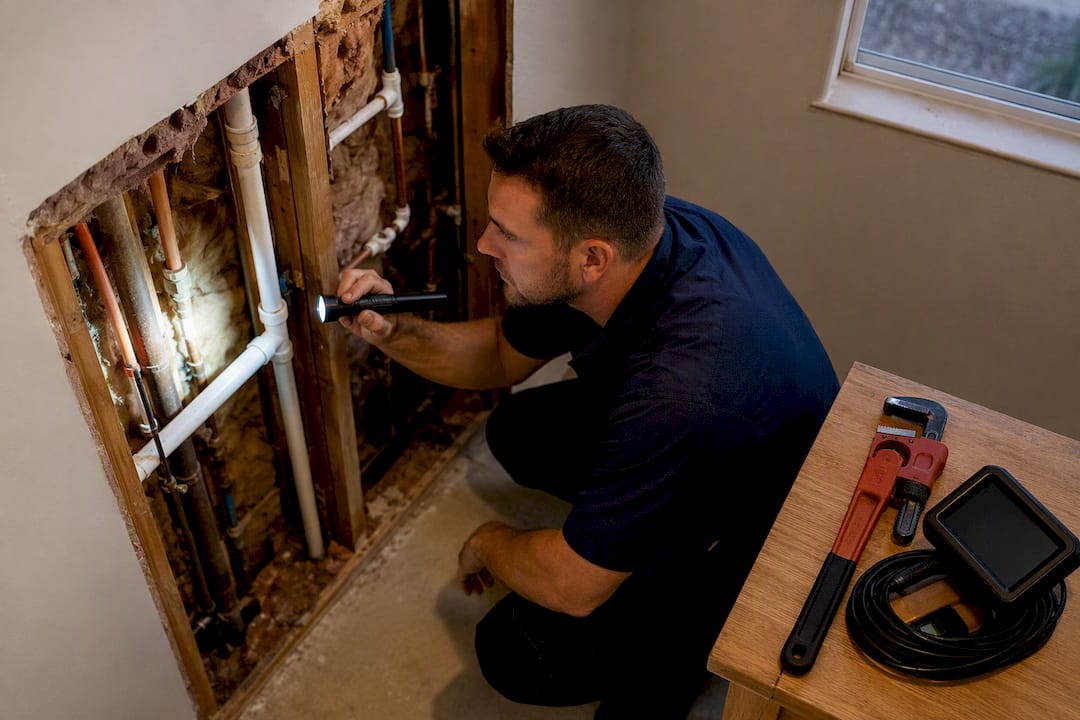
A qualified plumber walking your home checks three things before writing a number: how accessible your existing lines are, whether there's hidden water damage or corrosion behind fixtures, and what material your current pipes are made of. Galvanized steel routes differently than copper, and polybutylene sometimes needs extra disposal steps. Local experts recommend a no-obligation walkthrough precisely because two homes with the same square footage can have completely different routing needs once someone opens a wall or crawls the attic.
Before you sign anything, ask every bidding contractor:
- Who pulls the permit, and is that cost included in the quote?
- What's the warranty on labor and materials?
- What exactly does the drywall and finish repair scope include, and does it match paint or texture?
- What's the project schedule, including expected water shutoff windows?
- What's the payment schedule, and is any deposit refundable?
- Can you provide proof of license and liability insurance?
Pro Tip: Line up quotes side by side and check what's excluded, not just what's included. A bid that's $2,000 cheaper but leaves drywall repair on you isn't actually the better deal. For a deeper walkthrough on vetting bids, see how to hire a licensed plumber in your local area.
A lowball quote that skips permits, doesn't mention drywall repair, or asks for full payment upfront is a warning sign, not a bargain.
Partial Repair or Whole-House Repipe? How to Decide
Not every plumbing problem needs a full repipe. A single pinhole leak in an otherwise sound system, especially in a home with newer pipe throughout, is usually a spot-repair job. Spot repairs make sense when the failure is isolated, the rest of your system was installed within the last 15 to 20 years, or your budget genuinely can't stretch to a whole-house job this year.
Whole-house repiping becomes the smarter call when you're seeing:
- Repeated leaks in different locations over a short period
- Visible corrosion, discoloration, or low water pressure throughout the house
- Original galvanized steel or polybutylene pipe, both known for age-related failure
- A pattern of minor leaks that keep costing you money in water bills and repair calls
Copper commonly lasts 50 years or more, PEX is typically rated for 25 to 40 years, and galvanized steel often starts failing after 40 to 50 years. If your home still has its original galvanized lines and you've made more than one repair call this year, you're likely paying for a repipe in installments anyway, just without the new-pipe warranty at the end of it.
Local Repipe Costs and Walkthroughs in the Bullhead City Area
Usaplumbingseptic provides 24/7 residential and commercial plumbing service across Bullhead City, Fort Mohave, Mohave Valley, and Laughlin, including whole-house and partial repiping, water heater work, drain and sewer line service, and septic system solutions.
Local pricing here tracks closely with regional norms once you factor in Mohave County permit fees and labor rates. Recent local price references show:
- Partial repipe: $1,300 to $4,100
- Whole-house PEX: $2,500 to $6,600
- Whole-house copper: $4,100 to $12,500 or more
- Permit fees: commonly $175 to $850+
A walkthrough here isn't just a formality. Desert homes on slab foundations, common throughout Mohave County, need a different routing plan than a home with attic access, and that difference alone can shift a quote by thousands of dollars before any pipe gets cut.
If you're weighing a repipe against another recurring plumbing issue, Mohave County's plumbing essentials guide covers what local water conditions do to pipe and fixture lifespan over time.
What Most Repipe Guides Get Wrong
Most cost guides treat repiping like a commodity purchase: pick a material, multiply by square footage, done. That's a reasonable starting point, but it undersells how much a single home's layout can move the final number.
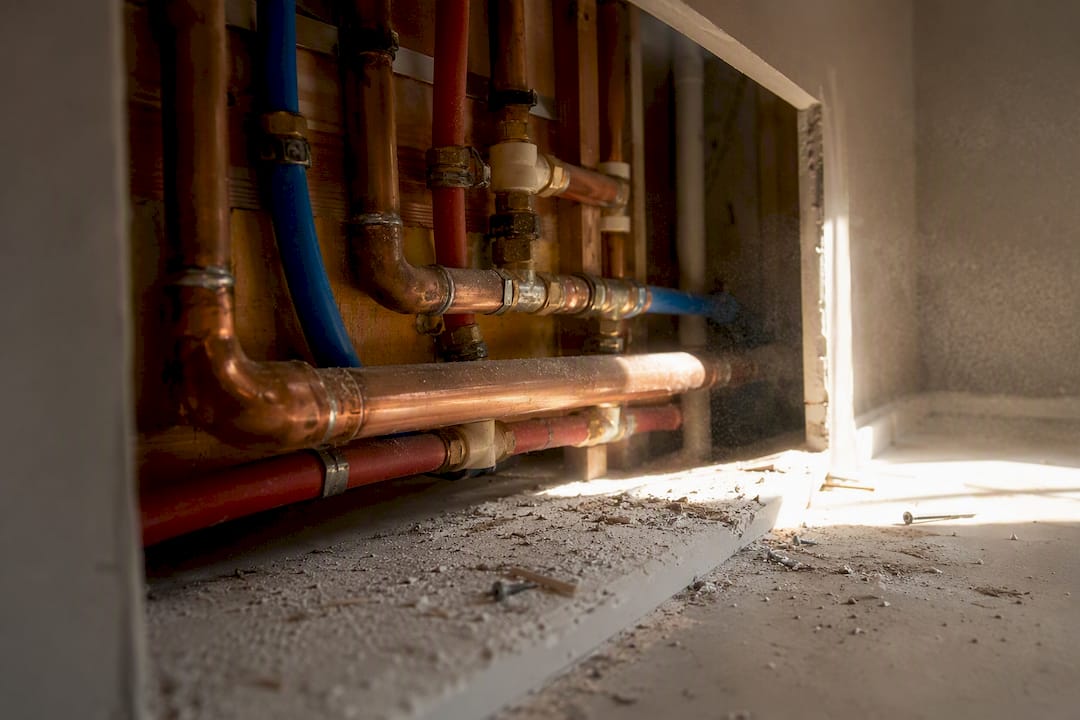
Where I think conventional advice falls short is the emphasis on getting "multiple online quotes." Online estimators are fine for setting expectations, but they can't see your crawlspace, your slab, or your 1970s galvanized line hiding behind a water heater. A written quote that comes from an actual walkthrough is the only number worth budgeting against.
If you take one thing from this guide, prioritize the walkthrough over the ballpark figure. Ask every bidder the same six questions from the quote section above, and compare scope line by line, not just the total at the bottom. The homeowners who end up frustrated with a repipe almost always skipped that step, not because contractors overcharged them, but because nobody told them what wasn't included until the walls were already open.
— JOHN
Book a Walkthrough With Usaplumbingseptic
Usaplumbingseptic gives Bullhead City homeowners something an online calculator can't: a licensed plumber standing in your home, looking at your actual pipe material and access points, before you commit to a number.

Requesting a walkthrough is straightforward. Call or book online, and a technician will inspect your fixtures, water heater connections, and existing pipe routing to hand you a written quote instead of a guess. Usaplumbingseptic handles permit pulling directly with Mohave County, so you're not stuck chasing paperwork between inspections. Workmanship on repiping jobs is backed by warranty, and the team can walk you through payment structure options during your estimate.
If you're already dealing with recurring leaks or corroded fixtures and suspect a repipe is coming, don't wait for the next repair call. Schedule your on-site estimate and get a real number for your home, not a national average.
Sources
- Whole House Repiping: Complete Cost Guide for Every Pipe Material
- How Much Does It Cost to Repipe a House? 2026 Data | Angi
- How Much Does It Cost to Repipe a House with PEX?
- Repiping Cost Bullhead City: $1.3k–$12.5k+ (2026) | Plumber Cost
FAQ
How much does it cost to repipe a 2,000 sq ft house?
A 2,000 square foot home with two to three bathrooms typically costs $7,500 to $12,000 for a whole-house repipe, depending on pipe material and foundation access.
What is the average life expectancy of house plumbing pipes?
Copper commonly lasts 50 years or more, PEX is typically rated for 25 to 40 years, and older galvanized steel often begins failing after 40 to 50 years.
Is it worth it to repipe a house?
Yes, when you're facing repeated leaks, corrosion, or aging galvanized or polybutylene pipe. Repiping usually costs less over time than a string of emergency repairs plus the water damage they can cause.
Can you repipe a house without removing drywall?
Partially. Many plumbers reroute through the attic or accessible wall cavities to limit demolition, but some drywall access points are almost always needed, which is why finish repair is a standard part of most repipe quotes.