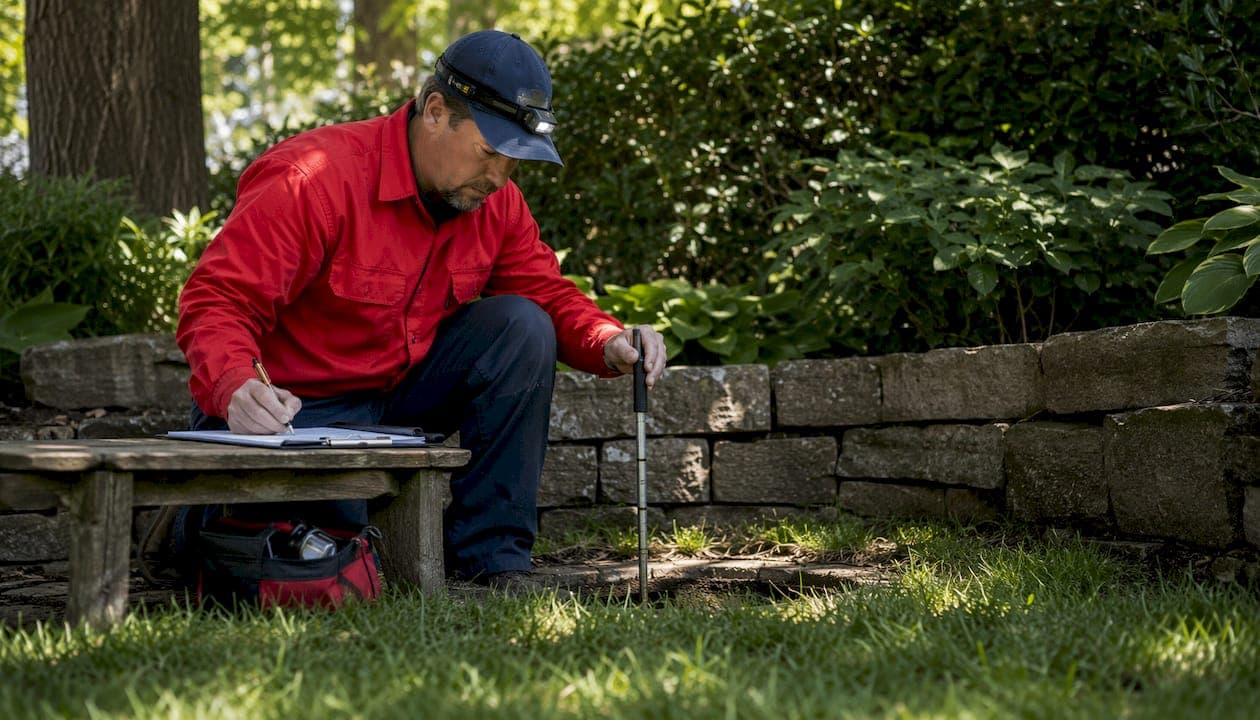
What is a septic inspection and how does it work?
A septic inspection is a systematic, hands-on evaluation of your entire on-site wastewater treatment system. An experienced inspector examines every major component to confirm the system is structurally sound, hydraulically functional, and not posing a risk to your health or the environment. The septic system inspection process covers the tank, distribution box, drainfield, and any pumps or alarms present.
Here is what a standard inspection assesses:
- Structural integrity of the tank, baffles, and lids
- Sludge and scum levels measured with a Sludge Judge tool
- Hydraulic function of the distribution box and drainfield
- Compliance with local health and environmental standards
- System history through permit records and prior inspection reports
One thing to clarify upfront: an inspection is not the same as a pump-out. Pumping removes tank contents; an inspection evaluates the entire system's condition. That said, pumping is usually required during a thorough inspection so the inspector can see inside the tank clearly.
How does a septic inspection work, step by step?
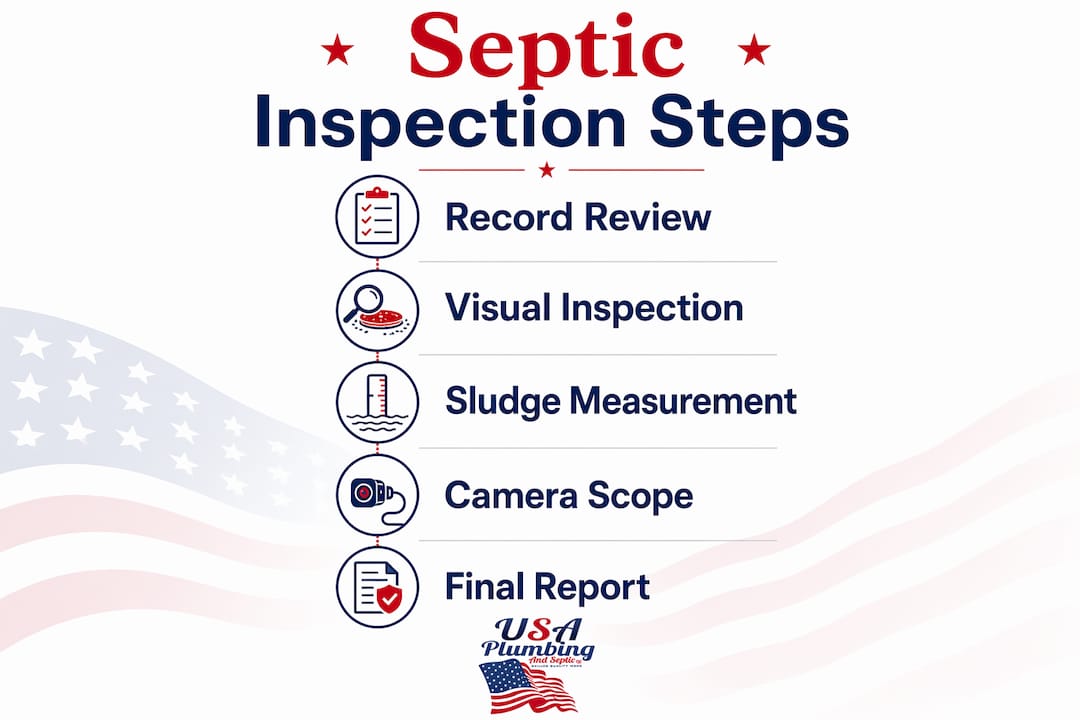
A full inspection runs through five defined phases. Each phase builds on the last, so skipping one creates gaps that can lead to costly misdiagnoses later.
- Phase 1 — Record review: The inspector pulls permits, site plans, and prior pump-out records to understand the system's history and design capacity.
- Phase 2 — Site walkthrough: The inspector walks the property looking for surface odors, soggy soil, standing water near the drainfield, or sewage breakout.
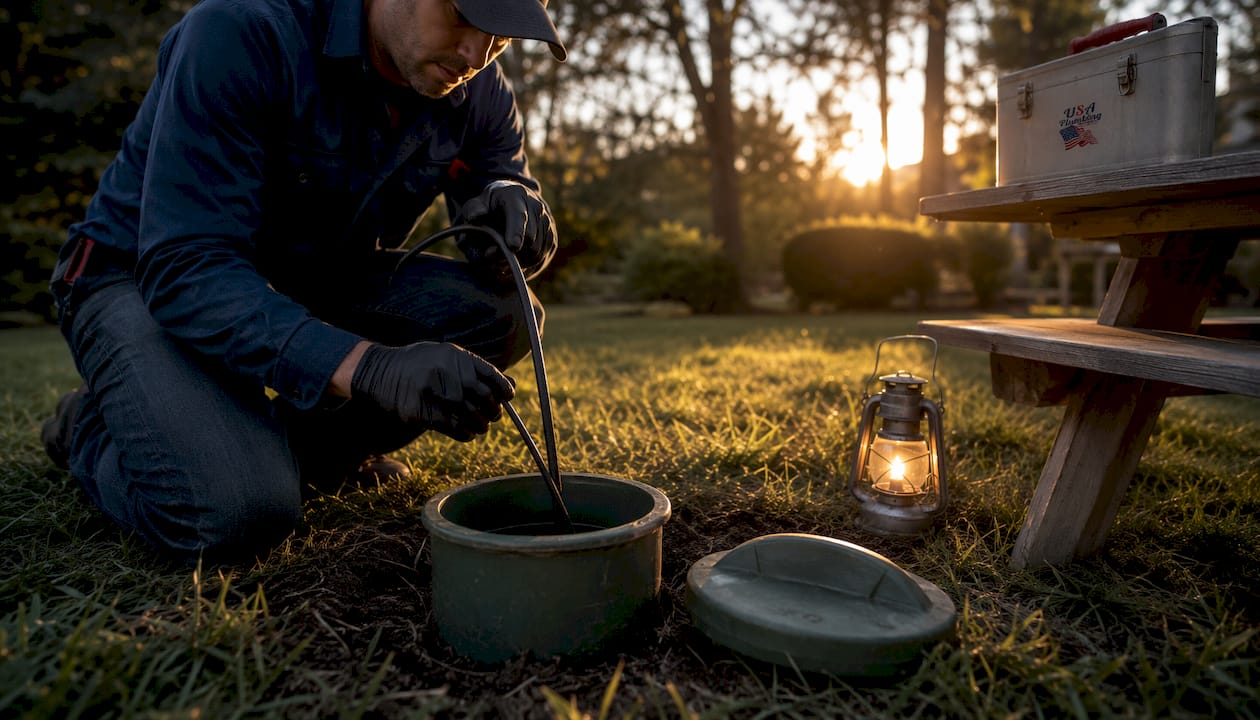
- Phase 3 — Tank inspection: Lids are exposed, liquid levels are checked, and a Sludge Judge is used to measure sludge and scum depth. The tank is then pumped so the inspector can examine baffles and tank walls internally.
- Phase 4 — Distribution box and drainfield: The distribution box is checked for uneven flow or leaks. The drainfield is probed for soil saturation and signs of hydraulic failure.
- Phase 5 — Flow test: The inspector flushes toilets and runs faucets simultaneously to confirm water moves freely without backup.
| Phase | What is checked | Typical focus |
|---|---|---|
| Record review | Permits, site plans, pump-out history | System age and design capacity |
| Site walkthrough | Soil, odors, surface water | Early signs of drainfield failure |
| Tank inspection | Baffles, sludge depth, tank walls | Structural and hydraulic condition |
| Distribution box | Flow balance, leaks, level | Even effluent distribution |
| Flow test | Household plumbing response | Backup and system function |
Pro Tip: Ask your inspector to show you the Sludge Judge reading before the tank is pumped. That measurement tells you exactly how close the system is to needing a pump-out, and it gives you a baseline for future scheduling.
Common problems inspectors find in septic systems
Inspectors see the same categories of failure repeatedly. Knowing what they look for helps you understand the report you receive.
- Excessive sludge or scum accumulation that has reached or exceeded safe limits, signaling an overdue pump-out
- Damaged or missing inlet and outlet baffles, which allow solids to escape into the drainfield and cause clogging
- Clogged effluent filters that restrict flow and back pressure into the tank
- Backflow from the drainfield, a strong indicator of hydraulic failure or saturated soil
- Cracks or corrosion in the tank structure, which can allow groundwater infiltration or sewage leakage
- Uneven distribution box ports that send too much flow to one drainfield zone and starve others
- Surface signs including sewage odors, standing water, or spongy soil above the drainfield
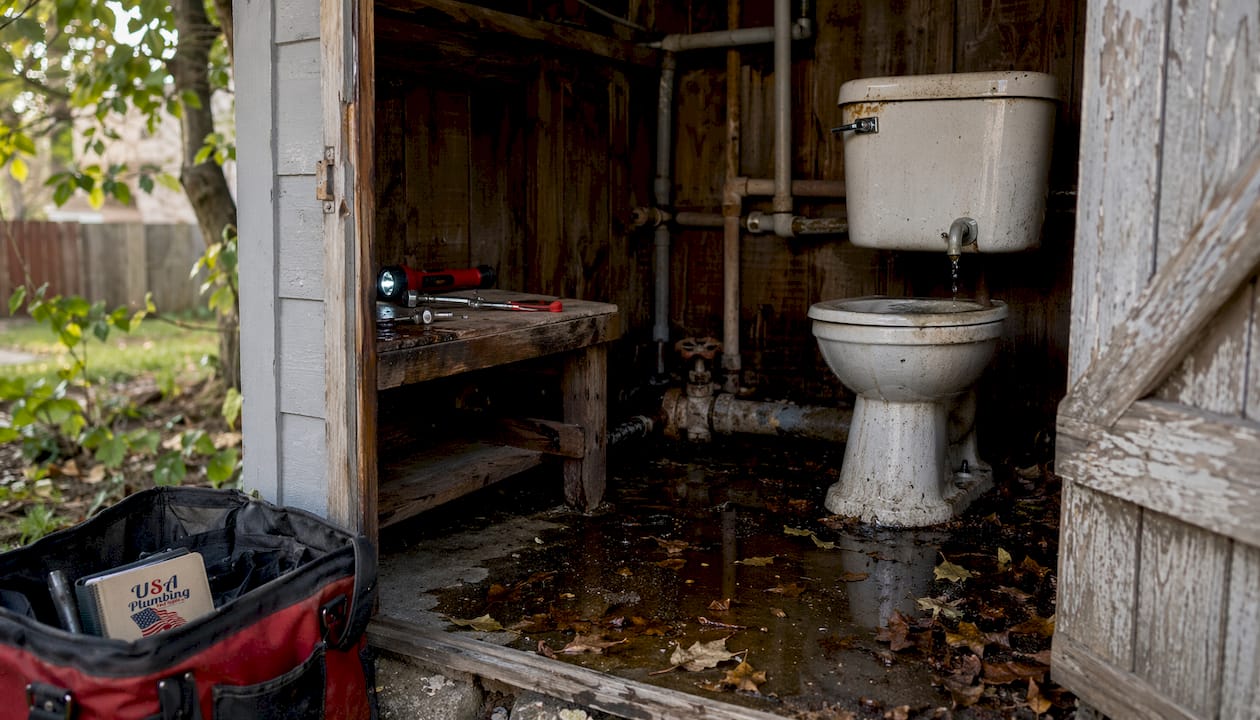
- Plumbing fixture issues such as a running toilet that overloads the system with excess water volume
One detail inspectors stress: a malfunctioning plumbing fixture can mimic drainfield failure. A leaking toilet tank, for example, can push far more water through the system than the drainfield can absorb, causing surface ponding with nothing actually wrong underground. A thorough inspector troubleshoots the whole system before drawing conclusions. Watch for sewer line warning signs between inspections too, since early symptoms often appear at fixtures before they reach the tank.
How long does a septic inspection take?
A thorough on-site inspection typically takes 2–4 hours from arrival to completion. That window covers all five phases described above. If tank pumping is scheduled separately through a pumping contractor, add time for coordination and the pump truck's arrival.
- Record review and site walkthrough: a portion of the total inspection time
- Tank exposure and internal inspection: the longest part of the inspection including pumping time
- Distribution box and drainfield assessment: a moderate portion of the inspection
- Flow test and final observations: a brief concluding phase
- Written report delivery: within 24–72 hours after the visit
Commercial inspections generally take longer than residential ones. They involve higher design flows, additional components, and often require sign-off from a professional engineer or registered sanitarian. For a residential home sale, plan on the full morning or afternoon being committed to the process.
How often should you get a septic inspection?
Regular inspections every 3–5 years are the standard recommendation for residential systems. Some states and municipalities require more frequent evaluations for commercial properties or systems serving high-occupancy buildings.
- Every 3–5 years for most residential systems under normal household use
- Annually for commercial systems or those under regulatory oversight
- Before any property sale or purchase, regardless of when the last inspection occurred
- When household size increases significantly, since higher water use accelerates sludge accumulation
- When the system is older than 20 years, where more frequent checks catch age-related deterioration early
Routine pump-outs and inspections often go hand in hand. If your tank needs pumping every three years based on sludge measurements, scheduling an inspection at the same time is efficient and cost-effective.
What happens when you skip septic inspections?
Skipping inspections does not save money. It defers costs while the risks compound.
- Untreated sewage exposure from a failing system creates serious health hazards for your household and neighbors
- Environmental contamination of groundwater and nearby surface water, which can trigger regulatory action
- Drainfield replacement is one of the most expensive repairs a homeowner faces, and neglect accelerates failure
- Property value loss when a failing system surfaces during a real estate transaction
- Failed home sales when buyers walk away after a bad inspection report
- Legal and regulatory penalties for non-compliant systems in jurisdictions with mandatory inspection programs
The importance of septic inspections goes beyond the system itself. A failing septic tank is a public health issue, not just a plumbing problem.
Tips for keeping your septic system in good shape
Consistent habits between inspections extend system life and reduce repair costs significantly.
- Schedule inspections and pump-outs on a regular cycle rather than waiting for symptoms to appear
- Never flush non-biodegradable items such as wipes, feminine products, or paper towels, even those labeled "flushable"
- Spread water use throughout the day to avoid overwhelming the system with large volumes at once
- Keep accurate maintenance records including pump-out dates, inspection reports, and any repairs
- Protect the drainfield by keeping vehicles, heavy equipment, and deep-rooted plants away from it
- Fix plumbing leaks promptly, since a running toilet can add hundreds of gallons per day to the system
- Install risers on tank lids so future inspections require no excavation, saving time and money
Understanding your home's plumbing system as a whole makes it easier to spot problems early. The septic system does not operate in isolation from your indoor plumbing.
What industry experts say about septic inspections
Professional inspectors and regulatory agencies are consistent on one point: an inspection is a point-in-time assessment. It documents conditions at the moment of the visit and cannot predict how the system will perform under different conditions or future use.
Inspectors carry legal responsibility to provide unbiased, accurate assessments with documented outcomes. They cannot declare a system failed on their own authority; that determination belongs to the local health department or regulatory agency. What they can do is document every observed condition clearly and recommend corrective action.
Modern inspectors use camera scopes to view pipes and tank interiors, Sludge Judge samplers for precise depth measurements, and GPS-stamped photo documentation for commercial reports. Commercial inspections carry higher standards, often requiring professional engineer sign-off and long-term capacity analysis. For residential buyers, requiring a written report with photos and specific repair cost estimates is the baseline you should expect from any qualified inspector. A step-by-step inspection report gives you documentation you can use in purchase negotiations or insurance conversations.
How much does a septic inspection cost?
Septic inspection costs vary by region, system complexity, and whether pumping is included. A basic residential inspection typically runs $300–$600. When tank pumping is bundled in, the total often reaches $400–$800 depending on tank size and local labor rates. Commercial inspections cost more, reflecting the additional components, engineer review, and regulatory documentation required.
Factors that affect the final price include tank depth (deeper tanks require more excavation), system age, number of components, and whether risers are already installed. A system with accessible risers costs less to inspect because no digging is needed to reach the lids.
How to prepare for a septic inspection
Good preparation shortens the inspection and reduces the chance of extra charges for delays.
- Gather your records before the inspector arrives: permits, site plans, prior inspection reports, and the date of the last pump-out
- Locate tank lids if you know where they are, or mark the approximate area so the inspector can find them quickly
- Avoid heavy water use the morning of the inspection so the inspector observes normal operating conditions
- Keep the drainfield area clear of vehicles, equipment, or anything that would block access
- Ask about risers if your tank lids are buried more than a foot deep; installing them before the inspection saves excavation costs now and every time afterward
- Write down any symptoms you have noticed, such as slow drains, odors, or wet spots, and share them with the inspector at the start
Knowing what a cleanout is and where yours are located also helps the inspector work efficiently. The more information you provide upfront, the more thorough and accurate the final report will be.
Key Takeaways
A septic inspection is a five-phase, point-in-time evaluation that requires tank pumping to be complete, and skipping regular inspections risks drainfield failure, health hazards, and costly repairs.
| Point | Details |
|---|---|
| Inspection requires pumping | Visual-only checks miss baffle damage and sludge levels; pumping is needed for a complete assessment. |
| Full inspection takes 2–4 hours | On-site time spans five phases; written reports are delivered within 24–72 hours of the visit. |
| Inspect every 3–5 years | Residential systems need regular evaluations; commercial or high-use systems may require annual checks. |
| Neglect is expensive | Drainfield replacement and property value loss are direct consequences of skipping inspections. |
| Preparation matters | Gathering permits and prior records before the inspector arrives reduces delays and extra costs. |
FAQ
What can fail a septic inspection?
A system fails when inspectors find conditions that threaten public health or the environment, such as sewage backup into the home, active surface breakout, a saturated drainfield, or a structurally compromised tank. Inspectors document these findings and report them to the local health authority within 24 hours.
What do inspectors look for during a septic inspection?
Inspectors check tank baffles, sludge and scum depth, liquid levels, distribution box flow balance, drainfield soil saturation, and surface signs like odors or ponding. They also run a flow test to confirm household water moves through the system without backup.
How long does a typical septic inspection take?
A thorough residential inspection takes 2–4 hours on-site, with the written report delivered within 24–72 hours. Commercial inspections typically run longer due to additional components and regulatory requirements.
Can a septic system be inspected without being pumped?
A visual-only inspection is possible, but it is not complete or compliant for most real estate or regulatory purposes. Pumping is required to inspect tank interiors, assess baffle condition, and accurately measure sludge accumulation.
Need a reliable septic inspection or emergency plumbing service in Bullhead City, Fort Mohave, Mohave Valley, or Laughlin? Usaplumbingseptic is available 24/7 with experienced technicians ready to evaluate your system and keep it running safely. Schedule your inspection today.