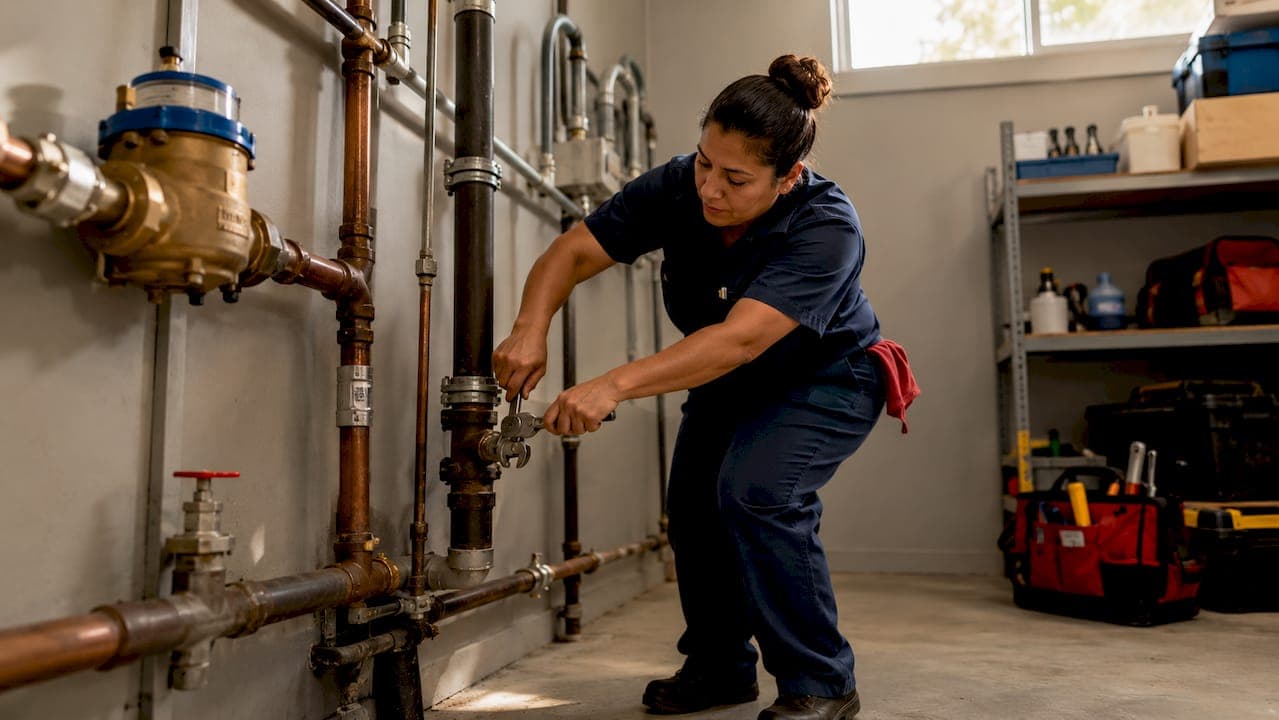
A residential plumbing system is defined as three interconnected subsystems working together: a pressurized water supply, a gravity-fed drainage network, and a venting system that maintains air pressure balance. Understanding how residential plumbing systems work gives you the knowledge to spot problems early, avoid costly repairs, and know when to call a professional. Every fixture in your home, from the kitchen sink to the master bath shower, depends on all three subsystems functioning correctly. Plumbing codes govern how these systems are designed and installed to protect your health and safety.
How does the pressurized water supply system function in a home?
Water enters your home through a main supply line connected to either a municipal water source or a private well. That single line is the starting point for every drop of water you use. From there, the system splits into cold and hot distribution lines that run to every fixture and appliance in the house.
The main shutoff valve sits where the supply line enters the home. Knowing its exact location is one of the most practical things a homeowner can do. In an emergency, turning it off stops water flow to the entire house within seconds.
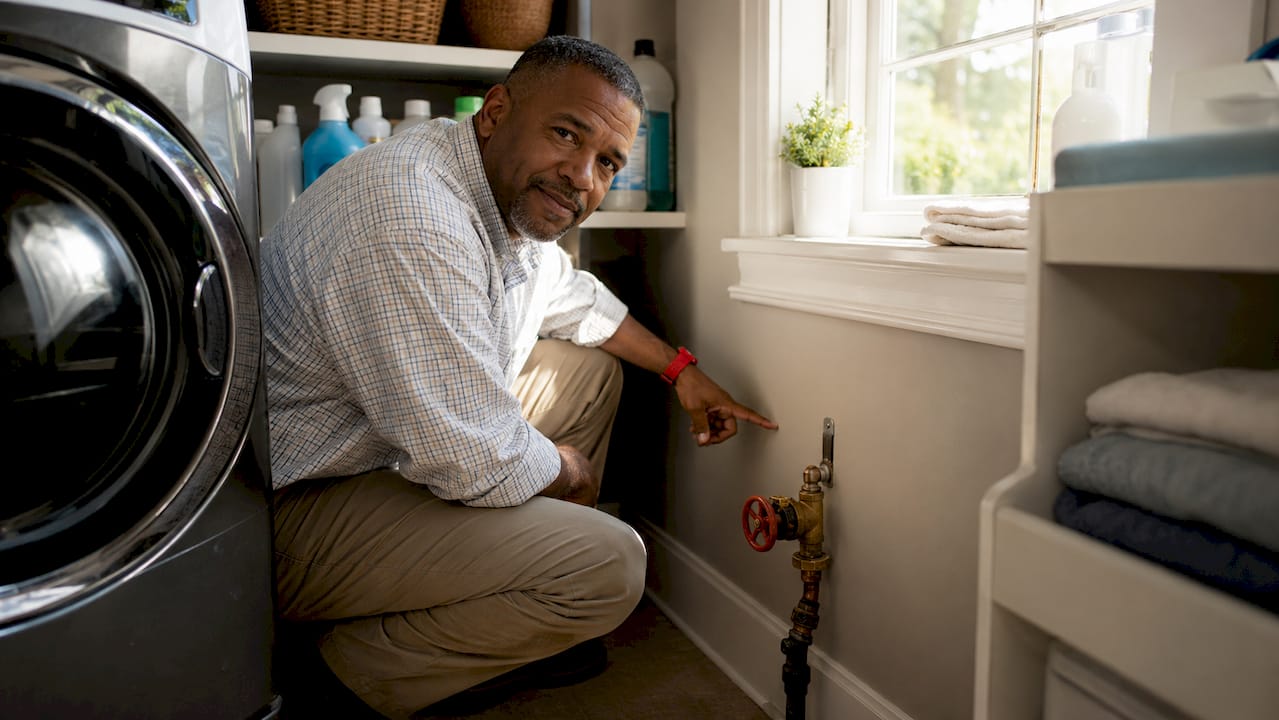
Water pressure in supply lines must stay balanced. Excessive pressure causes leaks and wears out fixtures faster. Insufficient pressure results in poor flow at faucets and showers. Pressure regulators and correct pipe sizing keep the system in the safe operating range.
Key supply system components
- Main shutoff valve: Stops all water flow to the home when closed
- Pressure regulator: Keeps incoming pressure at a safe level for fixtures and pipes
- Hot water heater: Receives cold supply water and heats it for distribution on the hot line
- Individual fixture shutoffs: Located under sinks and behind toilets for localized repairs
- Supply lines: Flexible or rigid pipes connecting the distribution network to each fixture
Pro Tip: Label your main shutoff valve with a tag so every adult in the household can find it fast during a leak or burst pipe.
Low water pressure at a single fixture usually points to a clogged aerator or a partially closed shutoff valve. Low pressure throughout the whole house signals a problem at the regulator or the main line. Knowing the difference saves you from calling a plumber for a fix you can handle yourself.
How does the gravity-based drainage system remove wastewater safely?
Drainage pipes rely on gravity and a consistent downward slope to carry used water away from fixtures. The standard slope is 1/4 inch of drop per foot of horizontal pipe run. That angle keeps waste moving without pooling or backing up.
Every drain in your home connects to a larger network of pipes that funnels wastewater toward the main sewer line. That main line exits the house and connects to either a municipal sewer system or a private septic tank. The entire journey happens without pumps or pressure.
The four stages of residential drainage
- Fixture drain: Water leaves the sink, tub, or toilet and enters the drain pipe
- P-trap: A curved pipe section holds standing water to block sewer gases from entering the home
- Branch drain lines: Smaller pipes carry waste from individual fixtures to larger collector pipes
- Main sewer line: The largest pipe in the system exits the house and connects to the sewer or septic system
The P-trap holds a small pool of water that creates an airtight seal against sewer gases. Every fixture in your home, including sinks, showers, and toilets, requires one. Without it, methane and hydrogen sulfide from the sewer would flow freely into your living space.
Common drainage warning signs
| Warning sign | Likely cause |
|---|---|
| Slow drain at one fixture | Localized clog near that fixture |
| Slow drains throughout the house | Blockage in the main sewer line |
| Gurgling sounds after flushing | Vent pipe blockage or partial clog |
| Sewage odor near drains | Dry or damaged P-trap |
| Water backing up in multiple fixtures | Main line blockage or septic issue |
Understanding cleanout access points in your drainage system makes professional service faster and less expensive. Cleanouts give plumbers direct access to clear blockages without opening walls.
What role does the venting system play in residential plumbing?
A home's vent system provides necessary air to the drainage pipes so wastewater can flow freely. Without air entering the system, a vacuum forms behind moving water and slows or stops drainage entirely. Venting solves this by equalizing air pressure throughout the drain network.
Vent pipes typically extend through the roof. They allow outside air to enter the drainage system while also releasing sewer gases safely above the roofline. This dual function makes the vent system critical to both drainage performance and indoor air quality.
Blocked plumbing vents create a vacuum inside drain pipes. That vacuum pulls water out of P-traps through a process called siphoning. Once the trap seal is broken, sewer gases enter the home through the empty trap. The result is foul odors and potential health risks.
Signs your vent system needs attention
- Gurgling sounds coming from drains after water flows
- Sewer odors near fixtures even when traps appear intact
- Slow drainage that does not improve after clearing the drain itself
- Toilet bubbling when a nearby sink drains
- Water draining sluggishly across multiple fixtures at once
Pro Tip: Roof vent pipes can get blocked by leaves, bird nests, or ice in cold climates. A quick visual check from the ground each fall can prevent a winter full of slow drains and odors.
Proper venting is often overlooked but is critical to prevent sewer gas entry and maintain proper wastewater flow. In rare cases, mechanical air admittance valves (sometimes called cheater vents) are installed near traps where running a vent pipe to the roof is not practical. These valves open to admit air when drainage creates negative pressure, then close to block gas from escaping.
How do the supply, drainage, and venting systems interconnect?
Because supply, drainage, and venting systems are physically connected, a problem in one subsystem frequently causes symptoms in another. A blocked vent does not just slow one drain. It can cause gurgling and odors at fixtures on the opposite side of the house. Homeowners often misread these symptoms as isolated fixture problems and chase the wrong fix.
"Treating plumbing issues as isolated problems misses the root cause. The supply, drainage, and vent systems share physical connections throughout the house. A symptom at one fixture often points to a failure somewhere else entirely. Systemic awareness leads to faster diagnosis and fewer repeat repairs."
The absolute separation of potable water and wastewater is the most critical safety principle in residential plumbing. Plumbing codes exist specifically to prevent cross-contamination between the supply and drainage systems. A backflow event, where wastewater reverses into the supply line, is a serious health hazard.
Pressure imbalances in the supply system also affect fixture performance in ways that look like drainage problems. A showerhead with weak flow while a toilet runs nearby signals a pressure issue in the supply lines, not a drain clog. Recognizing which subsystem is actually at fault saves time and money.
Preventing water damage starts with understanding how these systems interact. A slow leak in a supply line can saturate wall cavities and create conditions for mold before any visible damage appears. Early detection across all three subsystems is the most effective protection.
What practical steps can homeowners take to maintain their plumbing?
Preventive maintenance focusing on avoiding pipe-clogging debris is the most effective way homeowners can avoid major plumbing repairs. Most serious clogs do not happen overnight. They build gradually from hair, grease, and food scraps that narrow pipes over months or years.
Routine maintenance checklist
- Test all shutoff valves twice a year. Valves that sit unused can seize and fail when you need them most.
- Inspect supply lines under sinks and behind appliances. Look for corrosion, bulging, or moisture around connections.
- Keep drain strainers in place. Strainers in showers and kitchen sinks catch the debris that causes most clogs.
- Never pour grease down the drain. Grease solidifies inside pipes and traps other debris as it accumulates.
- Locate your cleanout access points. Knowing where they are speeds up any professional service call.
- Watch for early warning signs. Odors, slow drains, unexplained wet spots, and pressure changes all signal developing problems.
Slow bathroom drains are one of the earliest signs of a buildup problem. Addressing them early costs far less than clearing a full blockage or repairing a pipe damaged by long-term pressure from a clog.
Leak detection is another skill worth developing. Check your water meter before and after a two-hour period when no water is used. If the meter moves, you have a leak somewhere in the system. That simple test can catch a hidden supply line leak before it causes serious damage.
Call a licensed plumber when you see water stains on ceilings, hear running water with no fixture open, notice a sudden drop in pressure throughout the house, or smell sewer gas persistently. These signs point to problems beyond routine maintenance.
Key Takeaways
A residential plumbing system functions through three physically connected subsystems: pressurized supply, gravity drainage, and venting, and a failure in any one of them affects the performance of the others.
| Point | Details |
|---|---|
| Three core subsystems | Supply, drainage, and venting each play a distinct role and directly affect each other. |
| Gravity drives drainage | Drain pipes require a 1/4 inch per foot slope to move waste without pumps or pressure. |
| P-traps block sewer gas | Every fixture needs a P-trap with standing water to seal out harmful gases. |
| Vents prevent vacuum | Blocked vent pipes cause gurgling, odors, and slow drains across multiple fixtures. |
| Maintenance prevents most failures | Avoiding hair, grease, and food scraps in drains stops the majority of serious clogs before they start. |
What I've learned from watching homeowners chase the wrong fix
After years of working with residential plumbing systems, the pattern I see most often is a homeowner who treats every plumbing symptom as a single fixture problem. They snake the drain, the gurgling stops for a week, and then it comes back. They never check the vent pipe on the roof. They never ask why three drains in the house started slowing down at the same time.
The three subsystems in a home are not independent. They share walls, they share pipe runs, and they share consequences when one of them fails. A blocked vent does not announce itself as a vent problem. It shows up as a slow drain or a sewer smell, and most people go straight for the drain cleaner.
The homeowners who avoid expensive repairs are the ones who learn to read the whole system. They notice that the gurgling started after a heavy rain. They realize the smell only appears when the guest bathroom has not been used in two weeks. Those details point directly to the actual cause.
My honest advice: spend 20 minutes learning where your main shutoff valve is, where your cleanout access points are, and what your vent pipes look like from the ground. That knowledge alone puts you ahead of most homeowners and gives any plumber you call a much faster path to the real problem.
— JOHN
Usaplumbingseptic is ready when your plumbing needs professional attention
When routine maintenance is not enough, you need a team that knows residential plumbing systems from the supply line to the septic connection. Usaplumbingseptic provides 24/7 residential plumbing services across Bullhead City, Fort Mohave, Mohave Valley, and Laughlin, covering supply repairs, drain cleaning, vent inspections, and emergency response.
Our licensed plumbers handle everything from a single slow drain to a full system diagnosis. We bring the right tools and the experience to find the real source of the problem, not just the symptom. Whether you need a routine inspection or an emergency repair, our residential plumbing services are available around the clock. Contact Usaplumbingseptic today and get a reliable plumber on the job fast.
FAQ
What are the three main parts of a residential plumbing system?
A residential plumbing system consists of three subsystems: the pressurized water supply, the gravity-fed drainage network, and the venting system. Each one serves a distinct function, and all three must work together for the system to operate correctly.
Why does my drain gurgle after water flows?
Gurgling drains are a sign of a blocked or restricted vent pipe creating a vacuum in the drainage system. That vacuum pulls air through the nearest P-trap, producing the gurgling sound and potentially breaking the trap's gas seal.
What is a P-trap and why does every fixture need one?
A P-trap is a curved pipe section that holds a small pool of standing water to block sewer gases from entering the home. Plumbing codes require a P-trap on every fixture, including sinks, showers, and tubs.
How do I know if I have a hidden water leak?
Turn off all water in the home and check your water meter. If the meter continues to move during a two-hour window with no water use, a leak exists somewhere in the supply system. Early detection prevents structural damage and mold growth.
When should I call a plumber instead of fixing it myself?
Call a licensed plumber when you notice persistent sewer odors, water stains on ceilings or walls, a sudden drop in pressure throughout the house, or drainage backing up in multiple fixtures at once. These symptoms point to systemic issues that go beyond a simple DIY fix.