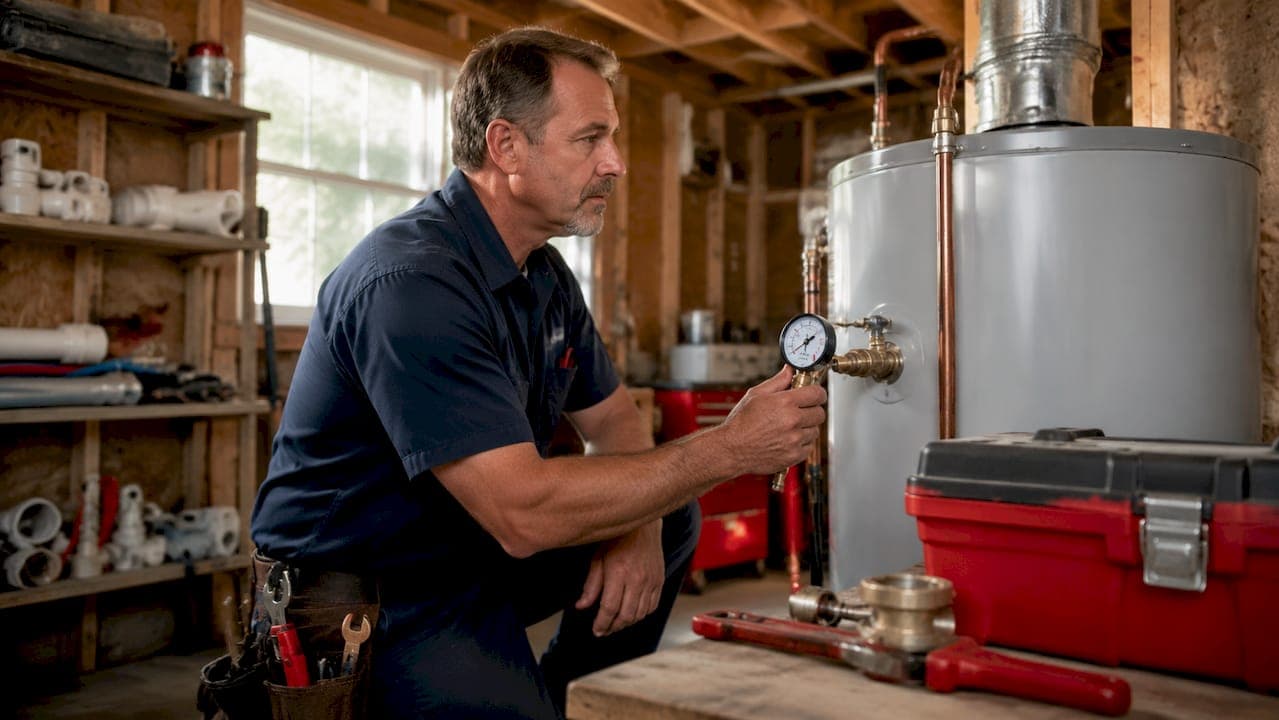
Licensed plumbers are the primary professionals qualified to install, repair, and maintain water heaters in your home. Water heaters sit at the intersection of your water supply, gas lines, and electrical systems, which is exactly why plumbers do work on water heaters as a core part of their trade. Whether your tank is leaking, your hot water has gone cold, or you need a full replacement, a licensed plumber is trained and legally authorized to handle it. This guide covers what plumber water heater services include, when to call, and how to choose the right professional.
What services do plumbers provide for water heaters?
Plumbers handle the full range of water heater work, from new installations to routine maintenance. Water heaters integrate critical plumbing, gas, and electrical systems, and licensed plumbers hold credentials covering all of those connections. That makes them the one professional who can legally and safely manage the entire job.
Here is what plumber water heater services typically cover:
- Installation: Plumbers install both traditional tank water heaters and tankless units. They handle all water supply connections, gas or electrical hookups, and pressure relief valve setup.
- Leak repair: A plumber locates and fixes leaks at fittings, supply lines, and the tank itself.
- Valve replacement: Pressure relief valves and shutoff valves wear out over time. Plumbers replace them before they become safety hazards.
- Thermostat and heating element repair: When your water is not reaching the right temperature, a plumber diagnoses and replaces faulty thermostats or heating elements.
- Sediment flushing: Mineral buildup inside the tank reduces efficiency and shortens the unit's life. Plumbers flush the tank to clear sediment.
- Code compliance checks: Every repair and installation must meet local building codes. Licensed plumbers verify that your unit is safe and up to standard.
Pro Tip: Schedule a sediment flush once a year if you live in an area with hard water. Skipping this single step is the most common reason tanks fail before their expected lifespan.
Plumbing water heater repairs also include diagnosing pressure problems, replacing anode rods, and inspecting flue venting on gas units. These are not tasks you want to hand off to an unlicensed handyman. A missed gas connection or improper venting can create carbon monoxide risks inside your home.
When should you call a plumber for water heater problems?
Some water heater issues are obvious emergencies. Others are easy to ignore until they become expensive. Knowing the difference protects your home and your wallet.
Call a plumber right away if you notice any of the following:
- Water pooling at the base of the tank. This signals a failing tank or a loose connection. Leaking at the tank base is one of the clearest signs you need a plumber immediately.
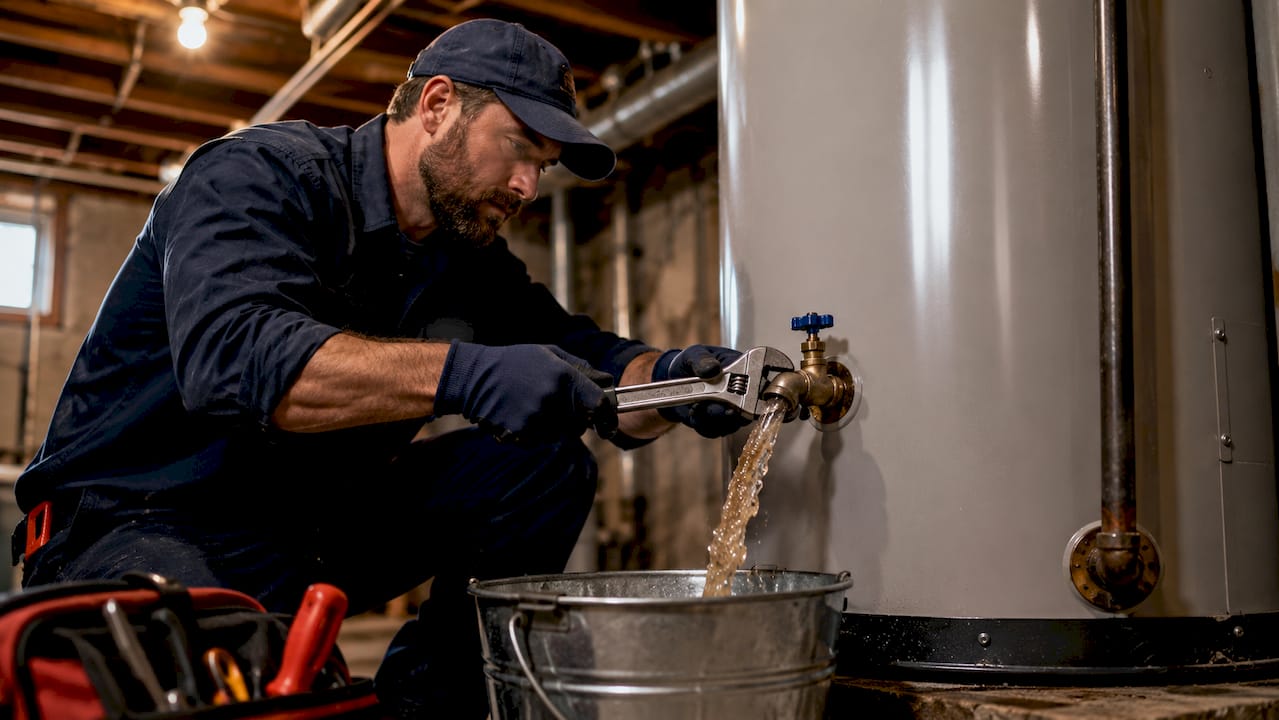
- Discolored or tinted water. Rust-colored water coming from your hot tap means corrosion inside the tank. This is a health concern and a sign the tank is near the end of its life.
- Foul odors from hot water. A sulfur or rotten egg smell usually points to bacteria growth inside the tank or a failing anode rod.
- Heavy corrosion on the unit. Surface rust that has spread to fittings or the tank body means the unit is deteriorating fast.
- A unit older than 10–12 years. The typical water heater lifespan is 10–12 years. If yours is in that range and showing any symptoms, call a plumber for a replacement assessment.
- Pressure relief valve issues. A valve that is leaking, stuck, or has never been tested is a serious safety risk. A plumber should inspect it right away.
Pro Tip: If your water heater is making a popping or rumbling noise, that is almost always sediment boiling at the bottom of the tank. Learn more about what causes those sounds before the problem gets worse.
One distinction worth knowing: water leaks call for a plumber, while intermittent heating issues or pilot light problems may fall under an HVAC technician's expertise. If you are unsure, a full-service plumbing company that employs both professionals is your safest call. Calling the wrong specialist wastes time and money.
Plumber vs. water heater specialist: who should you call?
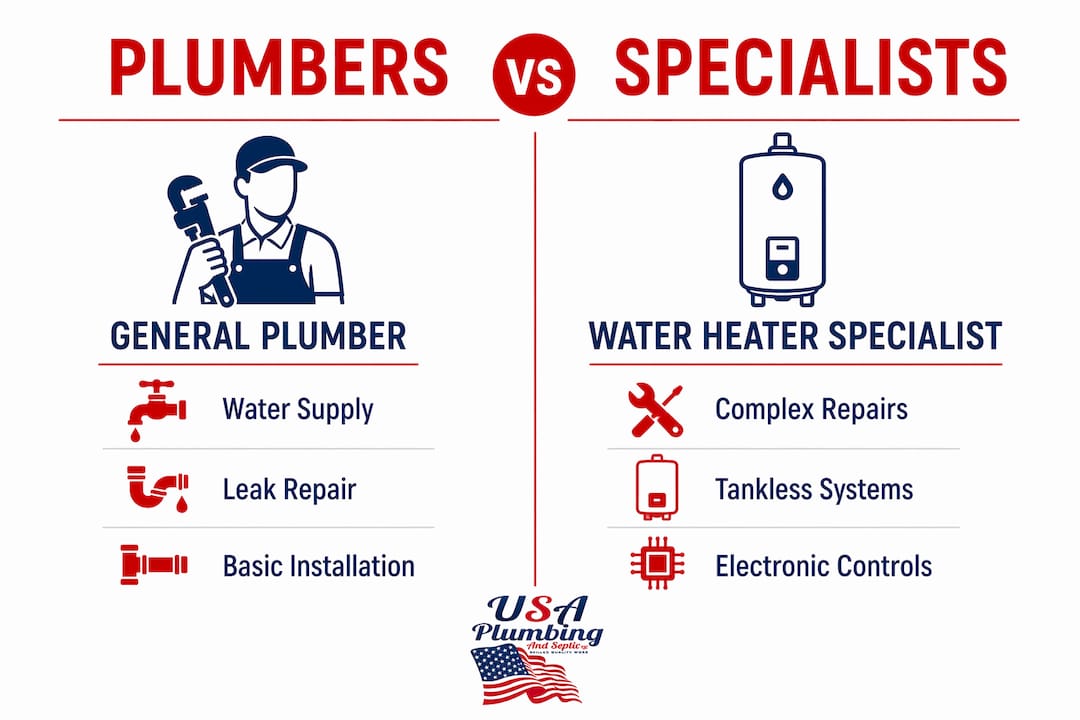
Not every plumber is equally equipped for every water heater job. Understanding the difference between a general plumber and a water heater specialist helps you hire the right person the first time.
| Factor | General plumber | Water heater specialist |
|---|---|---|
| Best for | Water supply, leaks, basic installation | Complex diagnostics, tankless systems, fuel conversions |
| Pricing model | Hourly ($75–$150/hr) | Flat diagnostic fee ($150–$300 including first hour) |
| Parts on hand | Limited | Typically carries common parts on the truck |
| Same-day fix | Possible | More likely for common models |
| High-efficiency units | Basic competency | Stronger expertise with electronic controls |
General plumbers handle water supply and basic repairs well. For a straightforward tank replacement or a leaking fitting, a licensed general plumber is the right call. Water heater specialists focus on complex diagnostics, tankless system troubleshooting, and fuel source conversions from electric to gas or vice versa. They often carry common replacement parts on their trucks, which means faster same-day repairs.
Professional water heater installation costs range from $1,200 to $3,500 including labor. That range reflects the difference between a basic tank swap and a full tankless system installation. Repair labor typically runs $75–$150 per hour for a general plumber. Specialists often charge a flat diagnostic fee of $150–$300 that covers the first hour of work.
The best option for most homeowners is a full-service company that employs both licensed plumbers and water heater specialists. You get one call, one visit, and the right expertise for whatever the problem turns out to be. Usaplumbingseptic operates exactly this way, with trained professionals ready for both routine repairs and complex installations across Bullhead City, Fort Mohave, Mohave Valley, and Laughlin.
Legal and permit requirements for water heater work
Permits are not optional for water heater work. All 50 states regulate water heater replacement as plumbing work, and roughly half require a licensed plumber to perform the installation rather than allowing homeowner DIY. This is not bureaucratic red tape. It exists because an improperly installed water heater can cause gas leaks, flooding, or fires.
Key legal facts every homeowner should know:
- Permits are required in every state. Permit costs typically run $50–$200 depending on your municipality.
- About half of states require a licensed plumber. The other half allow homeowner installation, but still require a permit and inspection.
- Gas and electrical permits are often separate. A water heater replacement may require a plumbing permit, a gas permit, and an electrical permit all at once.
- DIY without a permit voids your warranty. Most manufacturers require code-compliant installation. Skipping the permit can void the manufacturer warranty and create problems with your homeowner's insurance.
- Unlicensed work can affect your home's resale value. Unpermitted work shows up in home inspections and can delay or kill a sale.
Licensed plumbers ensure code compliance and handle proper disposal of your old unit. They also maintain documentation that protects your home insurance coverage and keeps your warranty intact. For Arizona homeowners, understanding local plumbing code requirements is especially important given the state's specific regulations on gas and water systems.
The risk of DIY is real. Improper installation can void warranties, trigger failed insurance claims, and create legal complications when you sell your property. Hiring a licensed plumber is not just the safe choice. It is the financially smart one.
Key takeaways
Licensed plumbers are the right professionals for water heater installation, repair, and maintenance because water heaters connect directly to your home's water supply, gas lines, and electrical systems.
| Point | Details |
|---|---|
| Plumbers cover all water heater work | Installation, leak repair, valve replacement, sediment flushing, and code checks are all standard plumber services. |
| Call a plumber for these warning signs | Leaks at the base, discolored water, foul odors, corrosion, or a unit older than 10–12 years all require a professional. |
| Specialists handle complex jobs | Tankless systems, fuel conversions, and advanced diagnostics are better suited to water heater specialists. |
| Permits are required in all 50 states | Skipping a permit risks voided warranties, insurance problems, and legal issues at resale. |
| Full-service companies are your best call | One company with both plumbers and specialists saves time and gets the job done right the first time. |
What I have learned after years of water heater calls
After handling hundreds of water heater jobs, the pattern I see most often is homeowners waiting too long. A small drip at the base of the tank gets ignored for weeks. By the time they call, the floor is damaged and the tank has failed completely. That one delay turns a $300 repair into a $2,000 emergency replacement.
The second most common mistake is calling the wrong professional. I have seen homeowners hire an HVAC technician for what turned out to be a water supply issue, or try a DIY fix on a gas connection without a permit. Both situations cost more to undo than the original repair would have cost. Knowing whether your problem is a water issue or a heating issue before you call saves real money.
My honest advice: if your unit is over 10 years old and showing any symptoms at all, do not repair it. Replace it. The math almost never favors another repair on an aging tank. And when you do replace it, hire a licensed plumber who pulls the permit. That permit protects your warranty, your insurance, and your home's value. It is not an extra cost. It is protection.
For routine maintenance, flush the tank once a year and have a plumber inspect the anode rod every two to three years. Those two habits alone can add years to your unit's life. The homeowners who skip maintenance are the ones calling us for emergency replacements at the worst possible times.
— JOHN
Water heater help from Usaplumbingseptic
When your water heater needs attention, Usaplumbingseptic is ready to help. Our licensed plumbers serve Bullhead City, Fort Mohave, Mohave Valley, and Laughlin with 24/7 availability for both emergency repairs and scheduled installations.

We handle tank and tankless water heater installations, leak repairs, valve replacements, and full code-compliant replacements. Every job is done by a licensed professional who pulls the proper permits and ensures your unit meets local safety standards. If you are dealing with a common water heater problem or need a full replacement, our team is one call away. Reach out to our local plumbing team today to schedule service or get an honest assessment of your current unit.
FAQ
Do plumbers work on water heaters?
Yes. Licensed plumbers install, repair, and maintain both tank and tankless water heaters as a standard part of their trade. Water heaters connect to water supply, gas, and electrical systems, all of which fall under a plumber's license.
Can plumbers fix a leaking water heater?
Yes. A plumber can diagnose and repair leaks at fittings, supply lines, valves, and the tank itself. If the tank body is leaking, a plumber will recommend replacement.
Do plumbers install tankless water heaters?
Yes, though complex tankless installations with electronic controls are sometimes better handled by a water heater specialist. General plumbers handle standard tankless installations, while specialists bring deeper expertise for high-efficiency systems.
Is a permit required for water heater replacement?
Yes. All 50 states require a permit for water heater replacement. Permit costs typically range from $50 to $200, and a licensed plumber handles the permit process as part of the job.
How do I know if I need a plumber or an HVAC technician for my water heater?
If you see water, call a plumber. If the problem is a pilot light, thermocouple, or intermittent heating with no visible leaks, an HVAC technician may be faster. A full-service company that employs both professionals is the simplest solution.