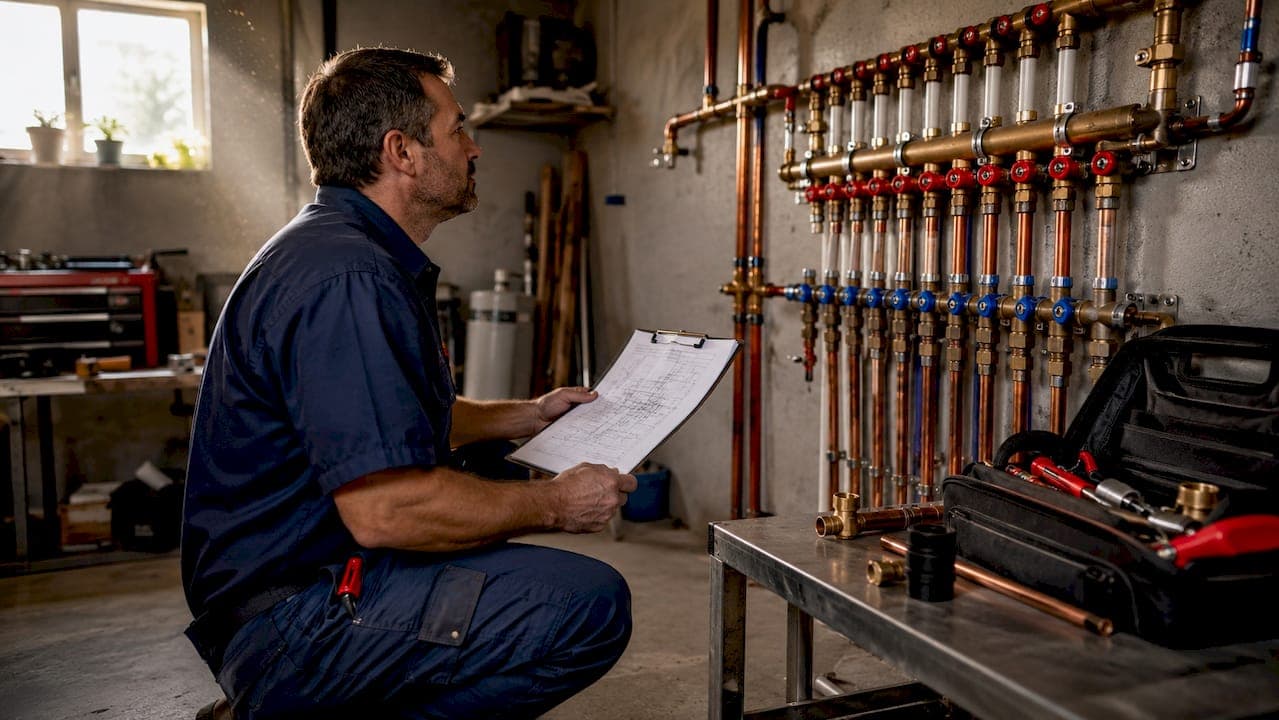
A multi-zone plumbing system is a centralized water distribution setup that divides a home's plumbing into independently controlled sections, each managed by its own valves or pumps. The industry term for the core component is a manifold-based distribution system. Understanding what is a multi-zone plumbing system matters because it directly affects your home's water pressure, heating comfort, and long-term maintenance costs. Homeowners and contractors in larger properties, especially those with multiple bathrooms or distinct heating zones, gain the most from this design. Usaplumbingseptic installs and services these systems across Bullhead City, Fort Mohave, and the surrounding Mohave Valley area.
What is a multi-zone plumbing system and how does it work?
A multi-zone plumbing system routes water from a single central manifold to separate zones throughout the home, with each zone controlled independently. The manifold acts as a hub, splitting the main supply line into dedicated branches. Each branch feeds a specific area, such as a master bathroom, a guest wing, or a radiant floor heating loop.
The system relies on three core components working together.
- Manifold: The central distribution point where the main water supply splits into individual zone lines. All shut-off valves sit here, making maintenance straightforward.
- Zone valves or circulator pumps: Two primary control approaches exist. The first uses multiple independent circulator pumps, one per zone. The second uses a single pump paired with electronic zone valves that open and close on demand.
- PEX piping: Continuous, joint-free PEX runs connect the manifold directly to each fixture or zone without intermediate joints, which concentrates all potential failure points at the accessible manifold hub.
Hydraulic balancing is the mechanism that keeps the system performing consistently. Dedicated lines prevent pressure drops and cold water shocks that occur when multiple fixtures run at the same time. Without balancing, turning on a shower while someone runs the kitchen faucet causes a pressure spike or temperature swing. A properly balanced multi-zone system eliminates that problem entirely.
Pro Tip: When reviewing a manifold installation, check that each zone line has its own shut-off valve clearly labeled. This makes future repairs fast and prevents the need to cut water to the whole house.
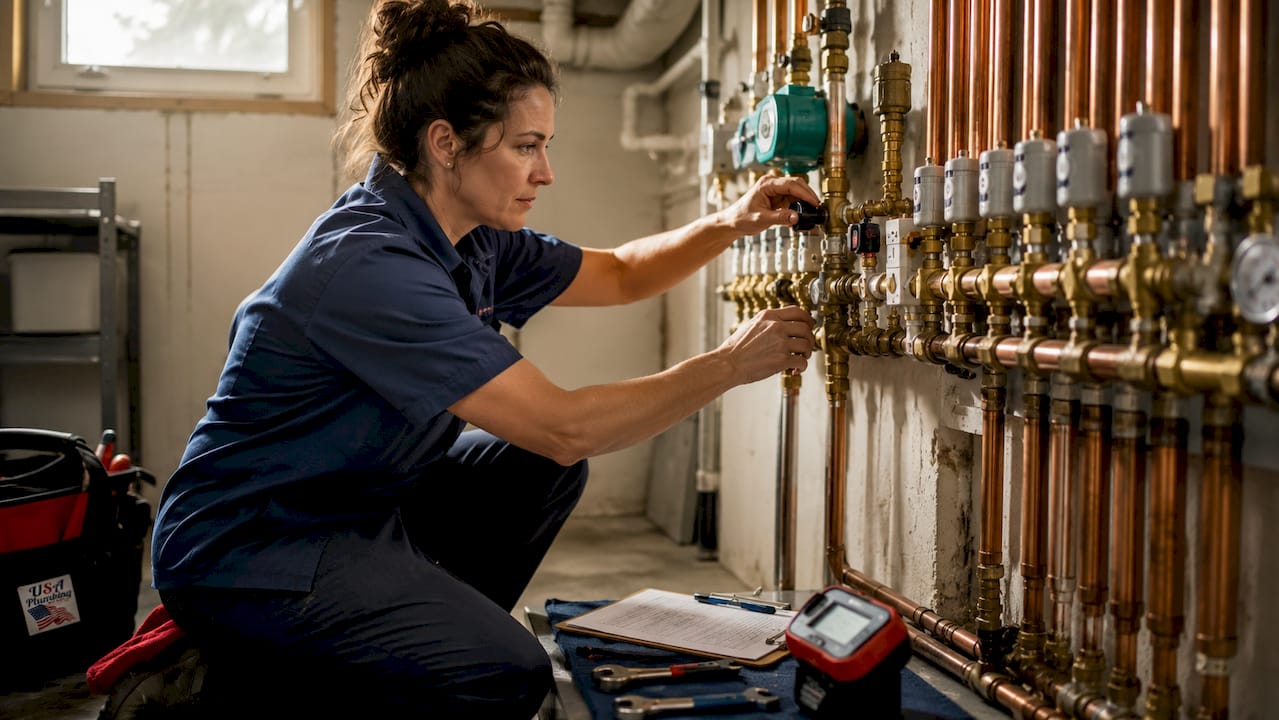
Understanding how residential plumbing systems work at the zone level helps you make better decisions when upgrading or troubleshooting your home's water supply.
What are the advantages of multi-zone plumbing over traditional systems?
Traditional trunk-and-branch plumbing runs a large main line through the home with smaller branches tapping off it. Every fixture shares that main line, which creates pressure competition and makes repairs disruptive. Multi-zone design solves both problems.
Manifold-based systems reduce household water waste by 10–20% through optimized pressure control and zone isolation. That reduction comes from eliminating the long wait for hot water to travel through shared lines and from the ability to shut off unused zones entirely.
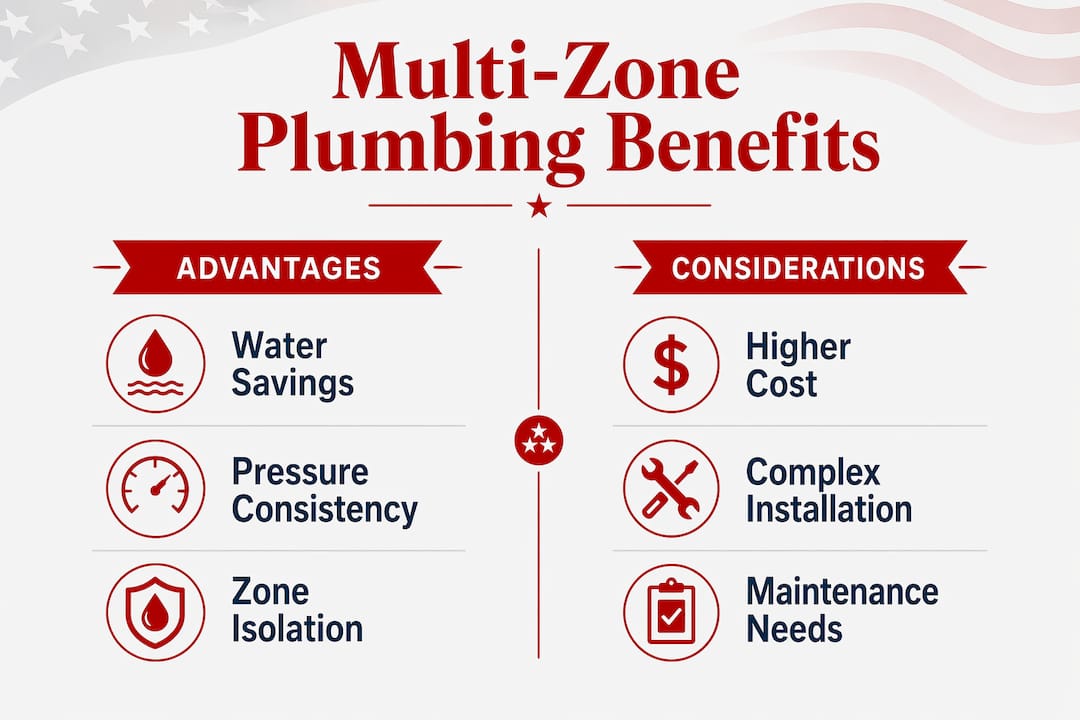
Zone isolation for maintenance means a plumber can shut off a single bathroom zone without cutting water to the rest of the house. A traditional system requires shutting down the entire supply to fix one leaking fixture. That difference alone saves significant time and inconvenience during repairs.
Manifold systems support modular scalability through extra capped ports built into the manifold. Adding a new bathroom or outdoor zone in the future requires connecting to an existing port rather than cutting into walls and splicing into main lines.
The honest downside is cost. Multi-zone systems carry higher initial installation complexity due to more piping, valves, and controls. For a small two-bathroom home, the added expense may not deliver proportional returns. The value scales with home size and layout complexity.
| Feature | Multi-zone system | Traditional trunk-and-branch |
|---|---|---|
| Pressure consistency | High, hydraulically balanced | Variable under simultaneous use |
| Zone isolation | Yes, per-zone shut-off | No, full-house shut-off required |
| Water waste reduction | 10–20% improvement | Baseline |
| Future expansion | Easy via capped ports | Requires pipe splicing |
| Initial installation cost | Higher | Lower |
Pro Tip: Ask your plumber to install a manifold with at least two extra capped ports beyond your current fixture count. Future additions cost far less when the infrastructure is already in place.
How to design a multi-zone plumbing system for your home
Multi-zone systems work best in larger properties with complex layouts, such as multi-bathroom homes, properties with guest wings, or multi-floor residences. A small single-story home with one bathroom rarely justifies the added complexity. Assessing your home honestly before committing to a design saves money and avoids over-engineering.
A practical design process follows these steps:
- Map simultaneous water use. Count how many fixtures could run at the same time during peak hours. A family of five with three bathrooms has very different demand than a couple in a two-bedroom home.
- Choose your control method. Multiple circulator pumps offer redundancy since one pump failure only affects its zone. A single pump with zone valves costs less upfront but carries the risk that a pump failure shuts down the entire system. Match the choice to your budget and risk tolerance.
- Plan manifold placement. The manifold should sit centrally, minimizing pipe run lengths to each zone. A central utility room or basement works well. Shorter runs mean less heat loss and faster hot water delivery.
- Size the manifold for growth. Extra capped ports make future expansions easier and less costly. Plan for at least two additional zones beyond your current needs.
- Integrate heating loops. If your home uses radiant floor heating or radiator loops, those circuits connect to the same manifold system. Each heating loop becomes its own zone, controlled by an electronic valve or dedicated pump.
Reviewing Arizona plumbing code compliance before finalizing your design keeps the installation legal and avoids costly rework after inspection.
How do multi-zone systems improve heating efficiency and comfort?
Multi-zone plumbing and multi-zone heating systems share the same core logic: independent control of separate areas produces better results than a single shared circuit. In a hydronic heating setup, the manifold distributes hot water to radiant floor loops, radiator circuits, and domestic hot water supply as separate zones. Each zone has its own electronic valve that opens only when that area calls for heat.
The comfort benefits are direct and measurable.
- No cold water shocks. Hydraulic balancing across dedicated lines keeps temperature stable even when a second or third fixture activates. This is the primary value of zoning in a heating context.
- Localized control. A guest bedroom loop stays off when the room is unoccupied. The master bathroom loop runs at full temperature during morning hours. That kind of control is impossible with a shared single-circuit system.
- Faster hot water delivery. Shorter, dedicated PEX runs from the manifold to each fixture reduce the time water spends traveling through pipe before reaching the tap. Pairing this with a hot water recirculation system eliminates the wait almost entirely.
- Energy savings from localized heating. Heating only occupied zones rather than the entire home reduces energy consumption without sacrificing comfort in the rooms you actually use.
Understanding HVAC zoning systems alongside plumbing zones gives homeowners a complete picture of how both systems work together to manage comfort and efficiency across the whole house.
Key Takeaways
A multi-zone plumbing system delivers the most value in larger homes where independent zone control, hydraulic balancing, and modular scalability outweigh the higher upfront installation cost.
| Point | Details |
|---|---|
| Core design principle | A central manifold distributes water to independently controlled zones via dedicated PEX lines. |
| Water efficiency gain | Manifold-based systems reduce household water waste by 10–20% through pressure control and zone isolation. |
| Maintenance advantage | Per-zone shut-off valves let plumbers isolate one area without cutting water to the whole house. |
| Heating integration | Multi-zone systems connect radiant floor loops and radiator circuits as separate zones on the same manifold. |
| Best-fit properties | Larger homes with multiple bathrooms, guest wings, or multi-floor layouts gain the most from this design. |
Why hydraulic balancing is the part most homeowners overlook
I have seen a lot of multi-zone installations over the years, and the single most common mistake is treating the manifold as the whole solution. Homeowners and even some contractors focus on the hardware, the valves, the PEX, the pump, and then skip proper hydraulic balancing. The result is a system that looks right on paper but still delivers cold water shocks and pressure drops the moment two people shower at the same time.
Hydraulic balancing is not glamorous. It requires calculating flow rates for each zone and adjusting valve settings so every circuit gets the right amount of water at the right pressure. Skip that step and you have an expensive trunk-and-branch system with extra parts.
The other misconception I hear constantly is that multi-zone systems are always worth the cost. They are not. A 1,200-square-foot home with one and a half bathrooms does not need a six-zone manifold. The system adds complexity without adding proportional benefit. The honest answer is that multi-zone plumbing is most cost-effective in larger homes with complex layouts. Assess your actual simultaneous water demand before committing.
What I do recommend for almost every property is planning the manifold with extra ports from day one. Adding a zone later is cheap when the ports are already there. Retrofitting a manifold into a finished wall is expensive and disruptive. Future-proofing costs almost nothing at installation time and saves real money later.
— JOHN
Usaplumbingseptic can handle your multi-zone installation
Designing and installing a multi-zone plumbing system requires accurate load calculations, proper manifold sizing, and hydraulic balancing. Getting any of those wrong costs more to fix than it would have cost to do right the first time.

Usaplumbingseptic serves Bullhead City, Fort Mohave, Mohave Valley, and Laughlin with licensed, 24/7 residential plumbing services. Our team handles everything from initial zone planning to full manifold installation and system commissioning. Whether you are building new, renovating, or upgrading an older trunk-and-branch system, we bring the tools and experience to do it correctly. Contact our licensed plumbing team today to schedule a consultation and get a clear plan for your home's water distribution needs.
FAQ
What is a multi-zone plumbing system in simple terms?
A multi-zone plumbing system uses a central manifold to split a home's water supply into separate, independently controlled sections. Each section has its own shut-off valve, so you can manage water flow to specific areas without affecting the rest of the house.
How does a multi-zone plumbing system differ from traditional plumbing?
Traditional trunk-and-branch plumbing shares one main line among all fixtures, creating pressure competition and requiring a full house shut-off for repairs. A multi-zone system gives each area its own dedicated line and valve, eliminating both problems.
What are the main advantages of multi-zone plumbing?
The main advantages include a 10–20% reduction in water waste, consistent pressure and temperature across simultaneous fixture use, and the ability to isolate one zone for repairs without disrupting the rest of the home.
Is a multi-zone system right for every home?
Multi-zone systems are best suited for larger homes with multiple bathrooms, guest wings, or multi-floor layouts. Smaller homes with simple layouts may not see enough benefit to justify the higher installation cost.
Can a multi-zone plumbing system connect to my heating system?
Yes. Multi-zone plumbing integrates directly with hydronic heating setups, including radiant floor loops and radiator circuits. Each heating loop becomes its own zone on the manifold, controlled by an electronic valve or dedicated circulator pump.