
For most homeowners dealing with water harder than 7 grains per gallon (GPG), installing a water softener is one of the most practical plumbing upgrades you can make. It protects your pipes and water heater, cuts energy and cleaning costs, and makes a noticeable difference in how your laundry, skin, and hair feel. Here is the short version.
- Protects pipes and fixtures from mineral scale buildup
- Extends appliance life for water heaters, dishwashers, and washing machines
- Reduces water-heating energy use by keeping heating elements scale-free
- Cuts soap and detergent use because soft water lathers more efficiently
- Improves laundry, skin, and hair by eliminating mineral residue
- Reduces cleaning time spent scrubbing hard-water spots and soap scum
Usaplumbingseptic serves homeowners across Bullhead City, Fort Mohave, Mohave Valley, and Laughlin with professional water softener installation and testing. If you are already seeing white scale on your fixtures or spotting on your glassware, a licensed plumber can confirm your hardness level and size the right system for your home.
Key Takeaways
A water softener is worth installing for most homeowners with water hardness above 7 GPG, delivering measurable savings on energy, cleaning products, and appliance repairs while protecting plumbing from scale damage.
| Point | Details |
|---|---|
| Hardness threshold | Consider a softener when water tests above 7 GPG (≈120 mg/L); below that, base the decision on visible problems. |
| Energy savings | Reducing scale can cut water-heating energy use by roughly 22–29%, per DOE-cited industry estimates. |
| Size for 3–5 days | Correct sizing prevents frequent regeneration, protects resin, and keeps monthly salt costs in check. |
| Choose DIR systems | Demand-initiated regeneration uses less salt and water than time-clock systems, reducing operating costs and environmental impact. |
| Usaplumbingseptic | Licensed installation, hardness testing, and septic-aware setups across Bullhead City and the Tri-State area. |
Table of Contents
- How water softener installation benefits your home
- 1. It protects your plumbing from scale damage
- 2. Your water heater runs more efficiently
- 3. Appliances last longer and perform better
- 4. You use significantly less soap and detergent
- 5. Laundry comes out softer and brighter
- 6. Skin and hair feel better after bathing
- 7. You spend less time cleaning
- What does water softener installation actually cost?
- Downsides and environmental notes you should weigh
- How do you know if your home actually needs one?
- What installation and maintenance look like in practice
- Alternatives to salt-based softeners and when they make sense
- Practitioner guidance for sizing, installation, and sustainability
- A local perspective from our team at Usaplumbingseptic
- Usaplumbingseptic handles water softener testing and installation in Bullhead City
- Sources
- FAQ
How water softener installation benefits your home
A water softener solves a specific problem: excess dissolved calcium and magnesium in your water supply. The U.S. Geological Survey defines water hardness by the concentration of these minerals, measured in grains per gallon (GPG) or milligrams per liter (mg/L). Water above 7 GPG (roughly 120 mg/L) is generally considered hard enough to cause visible problems in a home.
A salt-based ion-exchange softener is the most common and effective type. Inside the resin tank, thousands of tiny resin beads carry a sodium charge. As hard water passes through, the beads attract and hold calcium and magnesium ions, releasing sodium in their place. The water that reaches your faucets, showerheads, and appliances is then free of those scale-forming minerals.
Periodically, the system flushes the resin with a salt brine solution to recharge the beads. This is called regeneration. A traditional residential unit uses roughly 50 gallons of water per regeneration cycle, though newer demand-initiated systems use considerably less.
The three main components of a salt-based softener:
- Control valve: manages the regeneration cycle and flow direction
- Resin tank: holds the ion-exchange beads that do the actual softening
- Brine tank: stores salt and mixes the brine solution used during regeneration
One point worth being clear about: a softener is not a water purifier. It does not remove bacteria, lead, nitrates, or most chemical contaminants. If you have concerns beyond hardness, a separate filtration system is the right tool.
1. It protects your plumbing from scale damage
Scale is what happens when calcium and magnesium precipitate out of hard water and stick to pipe walls, fixture surfaces, and heating elements. Over time, that buildup narrows pipe diameter, restricts flow, and forces your water heater to work harder to push heat through an insulating layer of mineral crust.
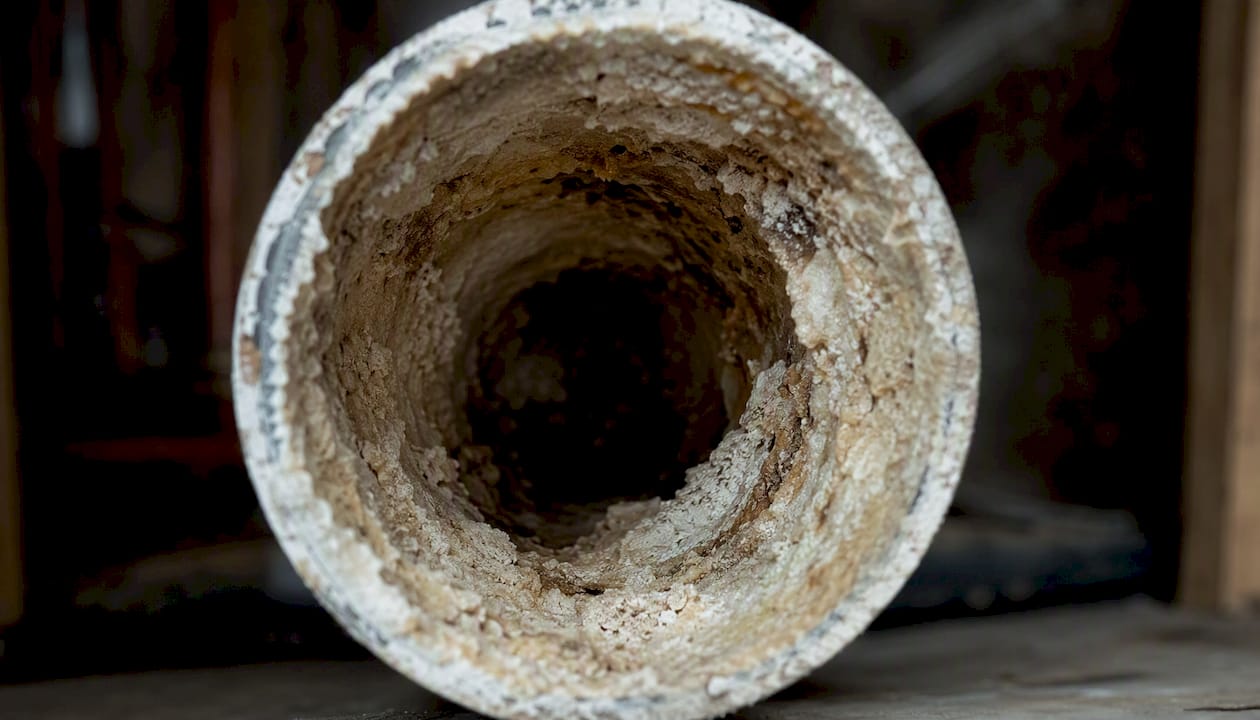
Soft water prevents that accumulation from forming in the first place. You will notice it most on showerheads, faucet aerators, and the inside of your kettle, but the real damage happens where you cannot see it: inside your water heater tank and along supply lines.
2. Your water heater runs more efficiently
Scale on a water heater's heating element acts like insulation, forcing the unit to burn more energy to reach the same temperature. Industry summaries citing Department of Energy estimates suggest water-heating energy savings in the 22–29% range when scale is removed through softening. That is a meaningful reduction on a utility bill, especially in a household that runs a lot of hot water.
For tips on keeping your heater running at peak efficiency, see our guide on extending water heater lifespan. If your heater is already making noise or losing efficiency, common water heater problems caused by scale are often the culprit.
3. Appliances last longer and perform better
Consumer Reports notes that softened water reduces scale buildup, which can meaningfully extend the life of water-using appliances. Dishwashers, washing machines, and coffee makers all benefit because their internal components, spray arms, and heating elements stay clear of mineral deposits.
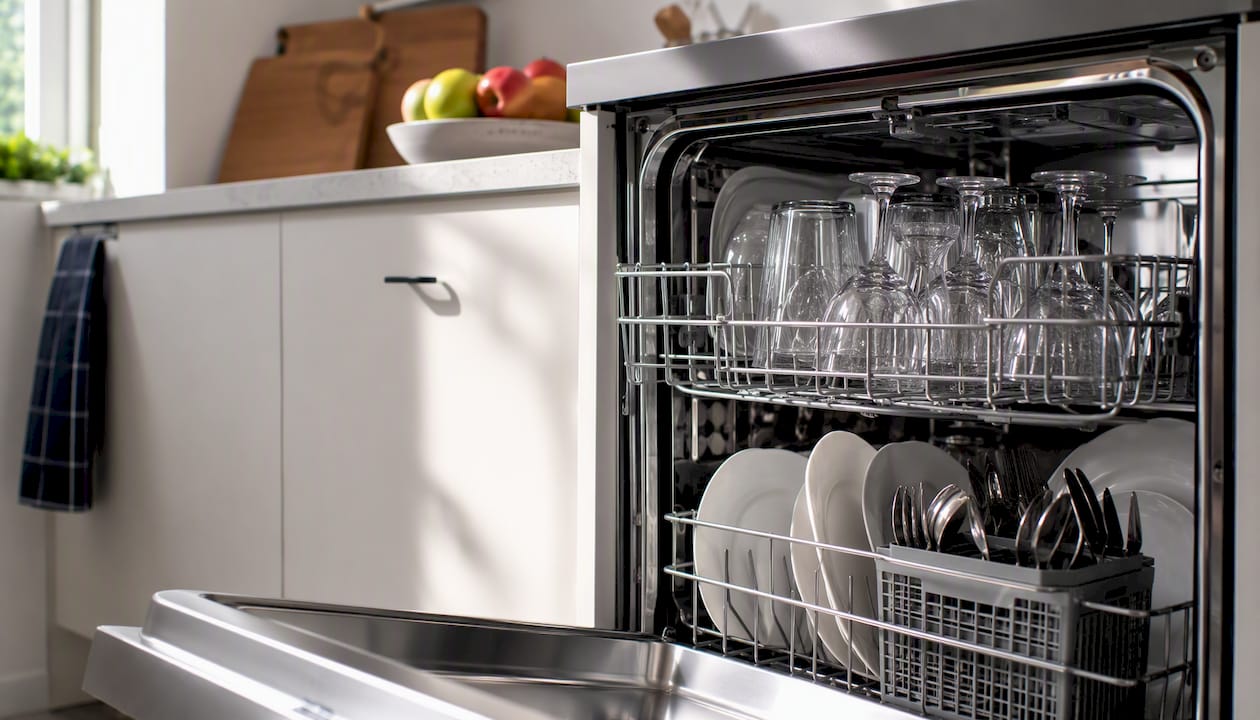
A dishwasher running on hard water often leaves white film on glassware even after a full cycle. With soft water, that spotting disappears and the machine's spray arms stay unclogged longer. The same logic applies to washing machines: hard water reduces detergent effectiveness and can leave mineral residue in fabric fibers.
4. You use significantly less soap and detergent
Soft water lathers more readily than hard water because calcium and magnesium ions interfere with soap's ability to foam. When those minerals are removed, you need less shampoo, dish soap, laundry detergent, and hand soap to get the same result. Households commonly report cutting detergent use noticeably after installation, which adds up over a year.
Pro Tip: Start with about half your usual detergent amount after installation and adjust from there. Most homeowners find they need far less than they expected, and using too much in soft water leaves a residue of its own.
5. Laundry comes out softer and brighter
Hard water minerals bind to fabric fibers during washing, leaving clothes feeling stiff and looking dull over time. Soft water rinses cleanly, so fabrics retain their texture and color longer. Towels feel noticeably softer. Whites stay brighter. This is one of the benefits homeowners tend to notice within the first few wash cycles.
6. Skin and hair feel better after bathing
Mineral residue from hard water leaves a thin film on skin and hair after showering. That film can contribute to dryness, irritation, and dull-looking hair. Soft water rinses away completely, which is why many people describe their skin feeling "slippery" at first. That sensation is actually clean skin without the mineral coating they were used to.
7. You spend less time cleaning
White scale on faucets, shower doors, and sinks requires regular scrubbing with acidic cleaners to remove. Soft water eliminates the source of that buildup, so surfaces stay cleaner between cleanings. Less time with a scrub brush and fewer specialty cleaning products are two of the most immediate quality-of-life improvements homeowners notice.
What does water softener installation actually cost?
Upfront costs vary based on system capacity, features, and whether you hire a licensed plumber for installation. Here is a realistic breakdown:
- Hardware only (entry-level to mid-range): roughly $400–$1,000 for a basic single-tank unit
- Hardware plus professional installation: typically $800–$2,500 depending on system size and plumbing complexity
- High-capacity or twin-tank systems: can run $1,500–$3,500 installed
Operating costs are ongoing but manageable. Salt is the primary expense: a typical household uses one or a few bags of salt monthly, with typical bag prices in the range of a few dollars. Electricity use is minimal. Water used per regeneration cycle has historically been around 50 gallons for older units, though modern demand-initiated systems use less.
A simple ROI framework:
- Energy savings: 22–29% reduction in water-heating costs (DOE-cited range)
- Detergent savings: reduced soap and cleaning product purchases each month
- Appliance protection: fewer repairs and longer replacement cycles for water heaters, dishwashers, and washers
- Cleaning time saved: fewer hours spent removing scale and soap scum
Add detergent savings and avoided appliance repairs, and most systems pay for themselves within a few years.
Pro Tip: Sizing the unit correctly to match your household's daily water use is the single biggest factor in minimizing salt consumption and maximizing system lifespan. A unit that regenerates too frequently wears out faster and uses more salt.
Downsides and environmental notes you should weigh
A salt-based softener is not the right fit for every home or every situation. Here are the trade-offs worth knowing before you commit.
Salt and chloride discharge. The brine flushed during regeneration contains elevated chloride levels. According to the Water Resources Center at the University of Minnesota, that chloride discharge can harm aquatic ecosystems and complicate septic drainfield performance and recycled-water programs. Some municipalities restrict or ban salt-based softeners for this reason.
Increased water use. Each regeneration cycle uses water. Older time-clock systems regenerate on a fixed schedule regardless of actual water use, which wastes both water and salt. Demand-initiated regeneration (DIR) systems only regenerate when needed, cutting waste substantially.
Sodium in drinking water. Softened water contains slightly elevated sodium because of the ion exchange process. For most people, the amount is negligible. For homeowners on a medically restricted low-sodium diet, it is worth discussing with a doctor. A simple fix: run a separate unsoftened line or add a reverse osmosis filter at the kitchen tap for drinking water.
Maintenance requirements. You will need to check salt levels monthly, clean the brine tank once or twice a year, and schedule professional service every few years for resin and valve checks. Resin beds typically last 10–20 years with proper care.
Key mitigation options:
- Choose a demand-initiated regeneration system to cut salt and water waste
- Bypass outdoor faucets and irrigation lines to reduce chloride load to soil and groundwater
- Consider softening only the hot water line if environmental impact is a concern
- Use an off-site exchange tank service where local regulations restrict in-home regeneration
Pro Tip: If you are on a septic system, talk to a licensed plumber before installation. The brine discharge can affect drainfield biology. Some septic-aware installation configurations reduce that impact significantly.
For guidance on protecting your landscaping from sodium exposure, this resource on removing salt from softened water for plants covers practical options.
How do you know if your home actually needs one?
The clearest signal is a confirmed hardness reading above 7 GPG (approximately 120 mg/L), which is the threshold professional guidance commonly uses as a decision point. Below that, the answer depends on whether you are seeing visible problems.
Testing options:
- Utility water-quality report: most municipal suppliers publish annual reports that include hardness data. It is free and takes two minutes to find online.
- At-home test kit: inexpensive strips available at hardware stores give a rough reading. Useful for a quick check, not for precise sizing decisions.
- Certified lab test: the most accurate option, and the right choice for private well owners. A lab test also screens for bacteria, iron, sulfur, lead, and nitrates, which a softener cannot address.
Visible signs your water may be too hard:
- White or yellowish scale on faucets, showerheads, and around drains
- Spots on glassware and dishes even after the dishwasher runs
- Soap scum that builds up quickly on sinks and tub walls
- Laundry that feels stiff or looks dull after washing
- Shortened performance or early failure of water-using appliances
Private well owners should always run a full water test before assuming hardness is the only issue. Treating bacteria or iron with a softener is ineffective and can make the situation worse.
Statistic to know: Professional guidelines place the common decision threshold at 7 GPG (≈120 mg/L). Water in many parts of the American Southwest, including the Bullhead City area, regularly tests well above that level.
What installation and maintenance look like in practice
A whole-house softener is typically installed after the main water shutoff valve but before the lines branch to interior fixtures. That placement means every indoor tap, shower, and appliance receives softened water. Outdoor spigots and irrigation lines are almost always bypassed, both to protect plants from sodium and to reduce chloride discharge to soil.
Standard maintenance tasks:
- Check salt level monthly and refill as needed
- Clean the brine tank once or twice per year to prevent salt bridges and mushing
- Test water hardness annually to confirm the system is performing correctly
- Schedule professional service every 2–3 years for resin inspection and control valve checks
- Keep a log of service dates and hardness readings for future reference
Regeneration types matter. Time-clock systems regenerate on a fixed schedule, which often means regenerating when it is not needed. Demand-initiated regeneration (DIR) monitors actual water use and only regenerates when the resin is genuinely exhausted. DIR systems use less salt and less water, and they are the better choice for most households.
Space and utility requirements are straightforward: the system needs a drain connection, a standard electrical outlet, and protection from freezing temperatures. Check local codes before installation; some jurisdictions require a permit for whole-house water treatment equipment.
Pro Tip: Keep a written record of your hardness test results and every service visit. When you call a plumber for sizing or troubleshooting, that history cuts diagnostic time and helps them catch problems early.
Alternatives to salt-based softeners and when they make sense
Salt-based ion exchange is the most effective method for actually removing hardness minerals from water. But it is not the only option, and for some homeowners, an alternative fits better.
Salt-free or template-assisted crystallization (TAC) systems. These devices do not remove calcium and magnesium. Instead, they convert the minerals into a crystalline form that is less likely to stick to surfaces. Penn State Extension notes that salt-free systems generally do not remove hardness and that effectiveness claims vary widely. They produce no brine discharge and require no salt, which makes them attractive in restricted areas, but they are not a true substitute for softening in high-hardness situations.
Hot-water-only softening. Installing a softener on just the hot water line reduces salt use, eliminates sodium from cold drinking water, and cuts chloride discharge. The trade-off is that cold-water fixtures still see hard water. This approach works well when the primary concern is appliance and water heater protection.
Exchange-tank services. In some jurisdictions that restrict in-home regeneration, off-site exchange services deliver pre-charged resin tanks and swap them out on a schedule. No brine is discharged at the home. This is a practical workaround where local rules limit conventional softeners.
When filtration is the right answer instead:
- Bacteria or pathogens: requires disinfection (UV, chlorination), not softening
- Iron or sulfur: requires oxidizing filters or aeration, not ion exchange
- Lead or nitrates: requires reverse osmosis or specific media filters
- General taste and odor: activated carbon filtration addresses this; a softener does not
Practitioner guidance for sizing, installation, and sustainability
Getting the installation right matters as much as choosing the right system. These are the recommendations we see backed up by professional practice and industry guidance.
Sizing for 3–5 days of use. The Water Resources Center at the University of Minnesota identifies sizing errors as the most common cause of poor performance and premature wear. A unit sized to handle 3–5 days of typical household water use regenerates at the right frequency, which protects the resin and keeps salt consumption in check. Ask any installer to show you the grains-removed calculation in writing.
Bypass outdoor faucets. Consumer Reports recommends bypassing outdoor faucets and irrigation lines as standard practice. Sodium in softened water can harm soil structure and sensitive plants over time.
Installer credentials to request:
- Licensed plumber with documented water treatment experience
- Written hardness test results used for sizing
- Documented grains-per-regeneration calculation
- Warranty terms for both equipment and labor
- A written maintenance schedule
Sustainability best practices:
- Choose demand-initiated regeneration over time-clock systems
- Consider twin-tank systems for continuous soft water with better salt efficiency
- Soften only the hot water line when environmental impact is a priority
- Ask about high-efficiency models certified by NSF International or WQA (Water Quality Association)
Pro Tip: When comparing quotes from installers, ask each one to show the documented grains-removed-per-regeneration calculation. If an installer cannot produce that number, they have not sized the system correctly.
A local perspective from our team at Usaplumbingseptic
Hard water is a consistent reality across the Bullhead City area and the broader Tri-State region. The Colorado River basin water that serves much of this area carries significant mineral content, and we regularly see the results: scale-clogged water heaters, dishwashers failing ahead of schedule, and homeowners frustrated by soap scum that returns within days of cleaning.
One concern we hear often is about outdoor watering. Homeowners worry that softened water will damage their landscaping, and that concern is legitimate. Proper bypass planning at installation solves it completely. We always plumb outdoor spigots and irrigation lines to bypass the softener, so your plants get untreated water and your indoor plumbing gets the protection it needs.
Professional installation in this market also matters for warranty and service access. A system installed by a licensed plumber comes with documented sizing, a clear maintenance plan, and a point of contact when something needs attention. That is a different situation than a box-store unit self-installed without a hardness test.
Usaplumbingseptic handles water softener testing and installation in Bullhead City
Skip the guesswork on water hardness. Our licensed plumbers test your water, size the right system for your household, and handle the full installation, including bypass plumbing for outdoor lines and a written maintenance schedule.
We serve Bullhead City, Fort Mohave, Mohave Valley, and Laughlin with 24/7 availability. Whether you need a first-time installation, a service call on an existing system, or a septic-aware setup that protects your drainfield, we have you covered. Our team handles salt-based and filtration systems and can advise on the right configuration for your water quality and household size.
For a full picture of what professional plumbing service in this area looks like, visit our water softener and filtration services in Bullhead City page and book a water hardness test today.
Sources
These are the primary references used in this article. Each is worth bookmarking for follow-up research.
- Consumer Reports — What to know about hard water and water softeners
- Water Resources Center, University of Minnesota — Residential softening
FAQ
Is installing a water softener a good idea?
For most homeowners with water hardness above 7 GPG, yes. A softener protects plumbing, extends appliance life, reduces energy and cleaning costs, and improves laundry and bathing comfort. The decision is less clear-cut for households with very low hardness or significant environmental restrictions on salt discharge.
What are the downsides of having a water softener?
The main drawbacks are ongoing salt costs, increased water use during regeneration (historically around 50 gallons per cycle for older units), chloride discharge that can affect septic systems and aquatic environments, and slightly elevated sodium in softened drinking water. Demand-initiated systems and proper bypass plumbing reduce most of these concerns.
How much does a water softener raise your water bill?
The impact is modest. Each regeneration cycle uses roughly 50 gallons of water on older systems; newer demand-initiated units use less. For a household regenerating two to three times per week, that adds a few hundred gallons per month, which typically translates to a small increase in water costs, often offset by energy savings from a scale-free water heater.
How much does a water softener cost for a 2,000-square-foot house?
A professionally installed system for a typical home in that size range generally runs $800–$2,500, depending on system capacity, features, and local labor rates. High-capacity or twin-tank systems can reach $3,500 installed. Usaplumbingseptic provides hardness testing and written sizing calculations so you pay for the right system, not an oversized one.