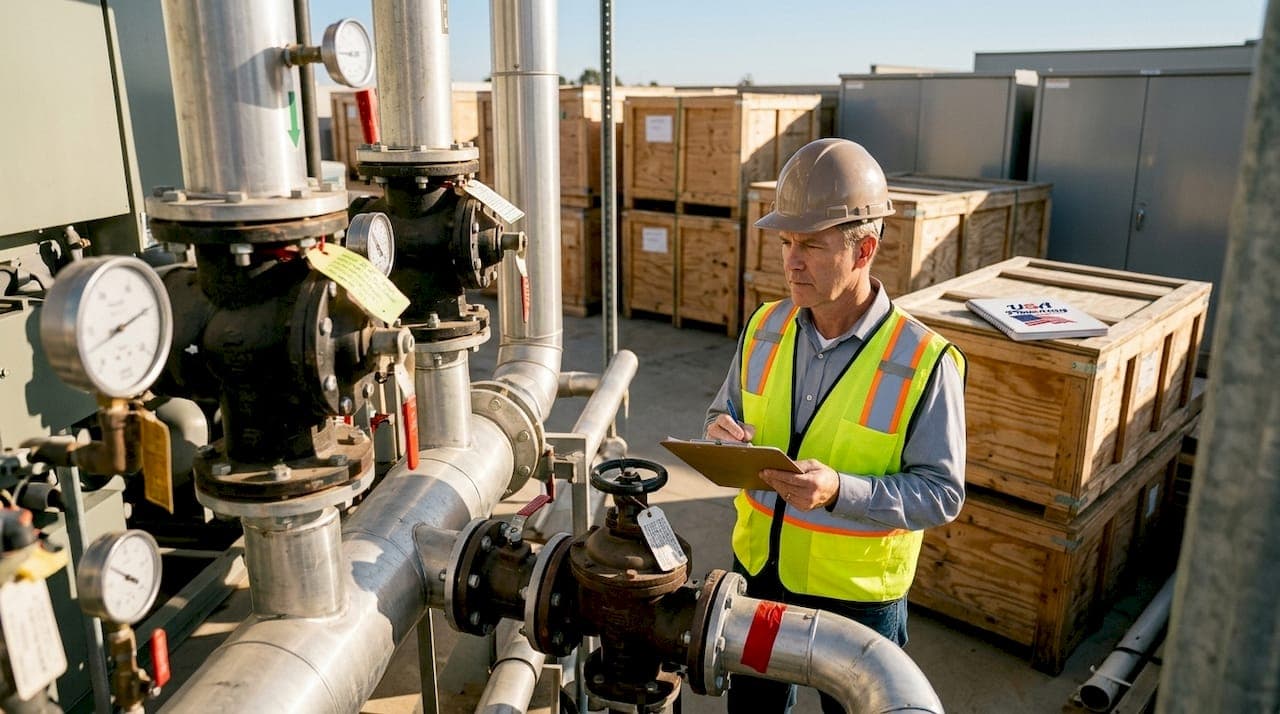
A commercial building plumbing code checklist is a structured inspection and compliance tool that documents every critical system, component, and test required to keep a commercial property's plumbing safe, functional, and code-abiding. Arizona property managers must align with the International Plumbing Code (IPC), the Uniform Plumbing Code (UPC), and EPA 40 CFR Part 141 for backflow prevention. Skipping any section of this checklist risks code violations, failed inspections, and expensive emergency repairs. The good news: a thorough checklist puts you in control before an inspector ever walks through the door.
Commercial building plumbing code checklist: what to include
A complete plumbing inspection checklist for a commercial property covers every system that moves water in, through, or out of the building. Commercial plumbing demands higher load capacities, larger pipes, and strict ADA compliance compared to residential systems. That means your checklist must go deeper than a simple leak check.
Water supply system
- Main service line condition and meter integrity
- Isolation valves: operation, labeling, and accessibility
- Pressure reducing valves (PRVs): set point verification and condition
- Static water pressure within the 40–80 psi operating range
- Cross-connection control points identified and documented
Drainage, waste, and vent (DWV) system
- Pipe slope: minimum 1/4 inch per foot for pipes 3 inches or smaller
- Vent stack condition and unobstructed termination points
- Cleanout access points: location, cap condition, and clearance
- No evidence of back-pitching, sagging, or offset joints
Backflow prevention
- Device type matches the hazard level at each connection point
- Annual testing and certification completed and documented
- Test results submitted to the local water authority on time
Hot water systems
- Temperature and pressure (T&P) relief valve: operation and discharge pipe routing
- Water heater temperature set at or above 120°F for Legionella control
- Sediment level, anode rod condition, and combustion analysis logged
Fixtures and fittings
- All fixtures free of leaks at supply connections and drain outlets
- Flush valves and aerators performing at rated flow
- ADA-compliant clearances and mounting heights verified
Stormwater and grease management
- Stormwater drains clear and properly connected to approved discharge points
- Grease traps sized correctly, cleaned on schedule, and documented per local ordinance
Shut-off valves and emergency controls
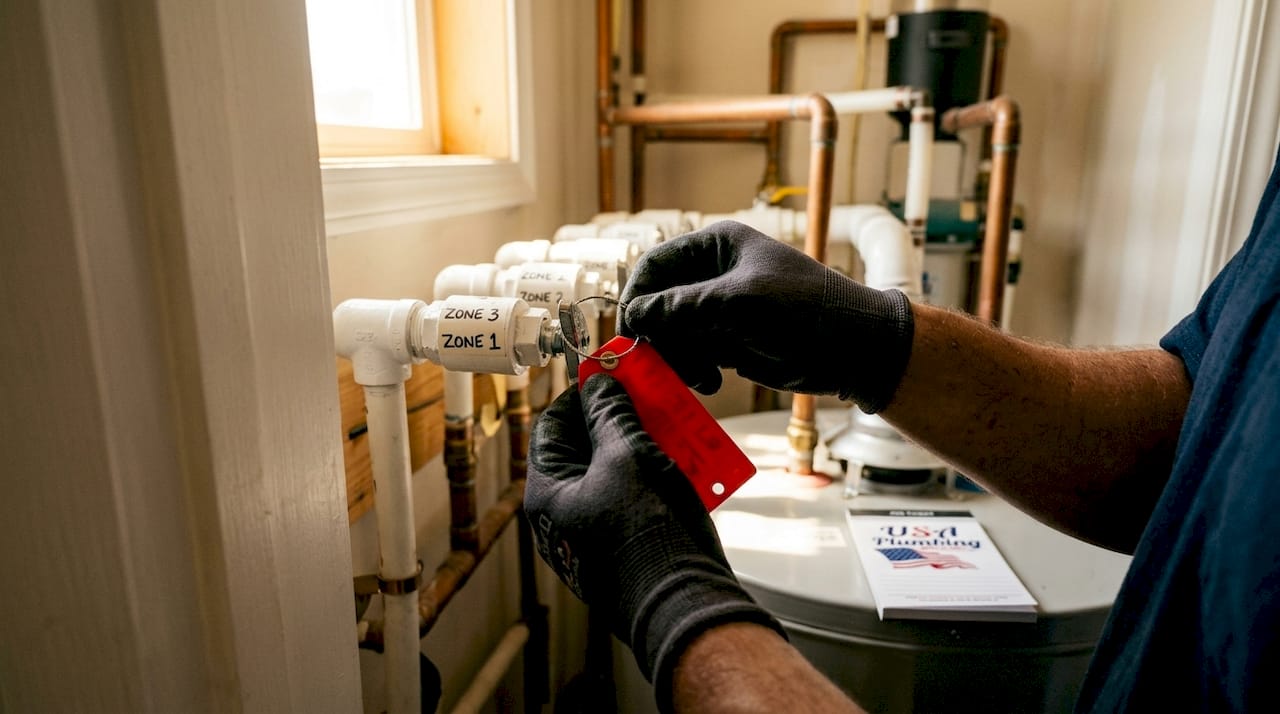
- Every zone valve operable by hand without tools
- Main shut-off location posted and accessible to staff at all times
Pro Tip: Label every shut-off valve with a durable tag showing the zone it controls. During an emergency, a labeled valve saves minutes. Those minutes prevent thousands of dollars in water damage.
How to use the checklist to pass inspections and stay compliant
Preparation separates a smooth inspection from a costly failure. Follow these steps every time you conduct a formal plumbing review.
-
Gather your documents first. Pull the original building plans, the most recent inspection report, and your asset register before touching a single valve. Inspectors cross-reference records, and gaps in documentation signal neglect.
-
Walk the system in order. Start at the water meter and work downstream through supply lines, fixtures, DWV systems, and finally the sewer connection. A logical sequence prevents missed components.
-
Perform technical tests per IPC standards. Pressure test supply lines at 100 psi for 15 minutes. Air test DWV systems at 5 psi for 15 minutes. Record start pressure, end pressure, and elapsed time for every test.
-
Document with severity ratings and photos. Inspection reports should include defect registers with severity classifications, photographs, and recommended action timelines. A photo-backed report protects you in insurance claims and financial due diligence reviews.
-
Submit backflow test results on time. Your certified tester must file results with the local water authority by the jurisdiction's annual deadline. Late submissions trigger fines even when the device passes.
-
Schedule inspections at the right frequency. Commercial facilities require at least annual inspections, with quarterly or semi-annual reviews for high-use buildings like restaurants and healthcare centers.
-
Build a defect register from each inspection. Rank every finding by urgency: immediate safety risk, code violation, or deferred maintenance. Assign a responsible party and a deadline for each item.
-
File records for at least three years. Lenders, insurers, and buyers all request historical inspection data. Complete records demonstrate proactive management and reduce liability exposure.
Pro Tip: Create a maintenance schedule linked directly to your checklist findings. Usaplumbingseptic recommends building a commercial plumbing maintenance schedule that maps each defect to a repair date and a follow-up inspection.
Common issues found during commercial plumbing inspections
Knowing what inspectors find most often lets you fix problems before they become violations. Arizona properties face a specific set of challenges that go beyond the national average.
-
Hard water scale buildup. Arizona's water supply is notoriously hard. Scale buildup damages pipes even in newer buildings, restricting flow and accelerating corrosion at joints and valve seats. A water softening solution can significantly reduce scale accumulation over time.
-
Seized shut-off valves. Valves that sit untouched for years corrode in place. A valve that cannot close during a pipe burst turns a minor repair into a flood. Test every zone valve annually and replace any that resist operation.
-
Backflow device failures. A failed backflow preventer puts contaminated water into the public supply. Non-compliance fines are immediate, and liability exposure is significant. Annual backflow testing and certification is not optional.
-
Slow or blocked drainage. Inadequate pipe slope, blocked vent stacks, and overloaded grease traps all produce the same symptom: slow drains. Proper commercial drain maintenance prevents most of these failures before they appear.
-
Water heater deficiencies. Sediment accumulation reduces heater efficiency and shortens tank life. A depleted anode rod allows tank corrosion to accelerate. Temperatures set below 120°F create conditions favorable for Legionella growth.
-
Hidden sewer line damage. Sewer camera inspections are recommended annually for buildings older than 20 years or with a history of drain problems. Root intrusion and pipe sagging are invisible to a standard visual check but show up clearly on camera. Addressing sewer line damage early prevents far more expensive excavation repairs later.
Pro Tip: Many property owners assume a leak-free system is a healthy system. Professional inspections regularly uncover failing pressure regulators and compromised sewer integrity that produce no visible symptoms until they fail completely.
Technical test requirements and inspection standards
Compliance verification requires more than a visual walkthrough. The IPC and UPC define specific tests that must be performed and documented.
| Test | Standard | Parameters | Pass Criteria |
|---|---|---|---|
| Supply line pressure test | IPC | 100 psi for 15 minutes | No pressure drop |
| DWV air test | IPC | 5 psi for 15 minutes | No pressure loss |
| Drain slope verification | IPC | 1/4 inch per foot minimum (pipes ≤3 inches) | Slope confirmed at all runs |
| Backflow device test | EPA 40 CFR Part 141 | Annual certified test | Pass with filed documentation |
| T&P valve function test | Manufacturer/code | Manual lift test | Valve opens and reseats cleanly |
| Water heater temperature | Legionella control standard | 120°F minimum at outlet | Temperature confirmed by gauge |
Each test result must be logged with the date, tester name, equipment used, and outcome. A pass/fail notation alone does not satisfy most jurisdictions. Inspectors want to see the actual readings. Fixture unit counts must also confirm that pipe sizing meets the load demands of the building's occupancy type. Undersized pipes produce chronic pressure complaints and accelerate wear at every connection point. Vent installation must allow unobstructed airflow through every drain trap to prevent siphoning and sewer gas entry.
Key Takeaways
A complete commercial plumbing code checklist, covering supply, drainage, backflow, hot water, fixtures, and technical tests, is the most reliable way to maintain code compliance and protect your property investment.
| Point | Details |
|---|---|
| Cover all system categories | Include water supply, DWV, backflow, hot water, fixtures, and stormwater in every inspection. |
| Test to IPC standards | Pressure test supply at 100 psi and air test DWV at 5 psi, each for 15 minutes. |
| File backflow results annually | Submit certified test results to the local water authority before the jurisdiction's deadline. |
| Inspect more often for high-use buildings | Restaurants and healthcare facilities need quarterly or semi-annual reviews, not just annual ones. |
| Document with photos and severity ratings | Photo-backed defect registers support insurance claims, compliance audits, and financial due diligence. |
What I've learned from years of commercial plumbing inspections in Arizona
The single most common mistake I see Arizona property managers make is treating a plumbing inspection as a box to check rather than a diagnostic tool. They schedule the annual visit, get a pass, and file the report. Then a pressure regulator fails silently for six months, water hammer damages fittings throughout the building, and the repair bill dwarfs what a thorough inspection would have cost.
Arizona's hard water makes this worse than it would be in most states. Scale builds inside pipes and on valve seats faster than property managers expect. I have walked buildings less than ten years old with supply lines already showing meaningful flow restriction from mineral deposits. That is not a deferred maintenance issue. It is an active compliance and safety risk.
The other pattern I see consistently: owners hire a general handyman or a residential plumber to inspect a commercial property. Certified commercial plumbers with experience in local codes and conditions produce better compliance outcomes. Commercial systems operate under different load demands, different code sections, and different liability frameworks. A residential inspector simply does not know what to look for in a 20-fixture restroom block or a commercial kitchen grease system.
My advice: insist on a written report with photographs, severity ratings, and a repair timeline. If your inspector cannot deliver that, find one who can. And use the service contract selection process to lock in a qualified team before you need emergency help.
— JOHN
Usaplumbingseptic keeps your commercial plumbing compliant
Usaplumbingseptic serves commercial property owners across Bullhead City, Fort Mohave, Mohave Valley, and Laughlin with 24/7 availability and a team trained in Arizona's specific code requirements and water conditions.
Our commercial services cover backflow testing and certification, sewer line camera inspections, water heater maintenance, emergency shutoff repairs, and full plumbing code compliance reviews. We deliver written reports with photographs and severity ratings, exactly what your insurer and local authority require. For Arizona-specific guidance on plumbing compliance in Mohave County, Usaplumbingseptic is ready to schedule your inspection today. Call us or book online and we will get your property on a documented, defensible maintenance program.
FAQ
What is a commercial plumbing inspection?
A commercial plumbing inspection is a formal review of all water supply, drainage, backflow, and fixture systems in a commercial building against IPC, UPC, and local code requirements. It produces a documented defect register with severity ratings and recommended repair timelines.
How often should a commercial building have a plumbing inspection?
Commercial facilities require at least one full inspection per year, with quarterly or semi-annual reviews for high-use occupancies like restaurants and healthcare centers.
What does backflow prevention compliance require?
Backflow devices must be tested annually by a certified tester, and the results must be submitted to the local water authority by the jurisdiction's deadline to avoid fines and public health violations.
Why are sewer camera inspections recommended for older buildings?
Camera inspections detect root intrusion, pipe sagging, and joint offsets that are invisible during a standard visual walkthrough. Buildings older than 20 years or with recurring drain problems should schedule annual video inspections.
What plumbing code standards apply to Arizona commercial buildings?
Arizona commercial buildings must comply with the IPC or UPC for plumbing systems and EPA 40 CFR Part 141 for backflow prevention, alongside any additional requirements set by the local authority having jurisdiction.
Recommended
- Plumbing Code Compliance for Arizona Homeowners
- How to Pass a Plumbing Health Inspection for Your Business
- USA Plumbing and Septic LLC - Plumbers, Plumber, Plumbing, Emergency Plumber, Commercial Plumber, Local Plumber, Plumbing Company, Septic
- USA Plumbing and Septic LLC - Plumbers, Plumber, Plumbing, Emergency Plumber, Commercial Plumber, Local Plumber, Plumbing Company, Septic