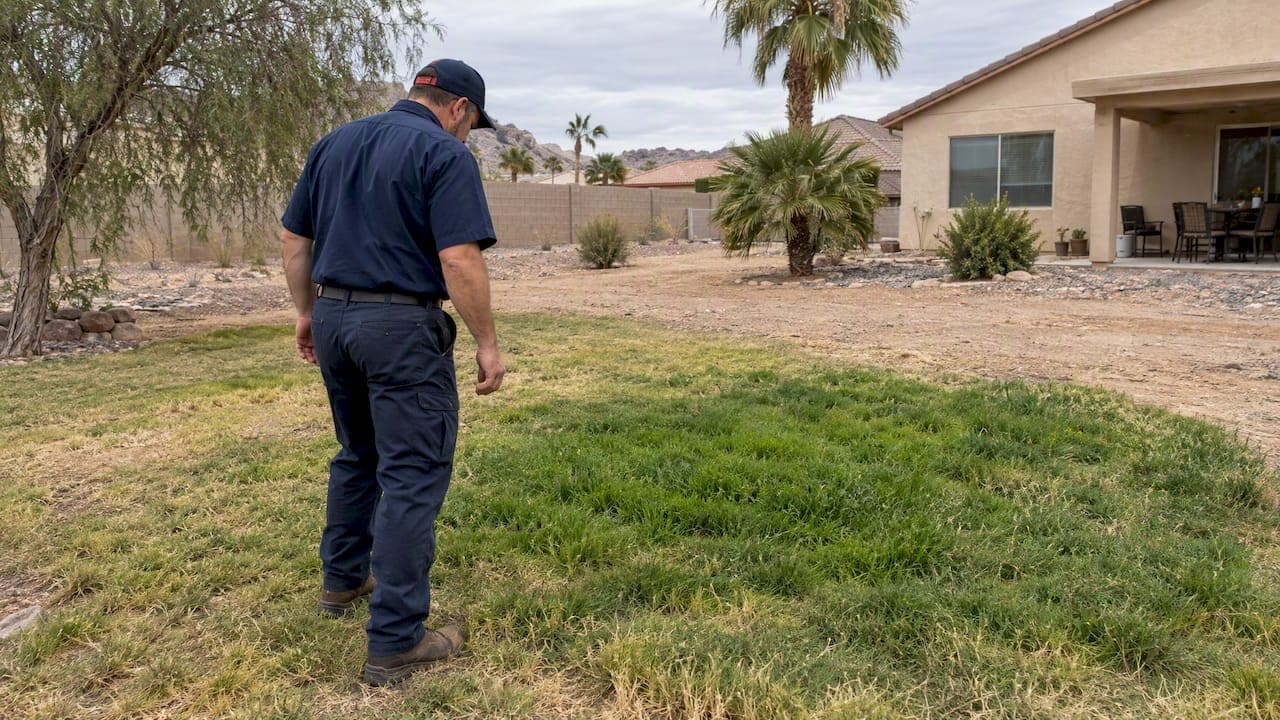
Protect your drain field by inspecting your septic system every one to three years, pumping the tank on schedule, spreading out your water use, and keeping grease, wipes and harsh chemicals out of your drains. Stay off the field with vehicles and heavy loads. If you see sewage surfacing, backups that keep coming back or strong sewage odors, call a licensed septic professional right away.
TL;DR:
- Pump every 3–5 years, sooner with a garbage disposal, extra household members, or slow drains; have a professional clean the effluent filter every 2–3 years.
- Run full laundry and dishwasher loads, spread laundry through the week, repair leaks, and keep pool, hot tub, and softener discharge away from the system.
- Keep wipes, diapers, cat litter, grease, oil, solvents, and chemical drain openers out of plumbing; additives cannot replace pumping and may harm tank bacteria.
- Keep vehicles, heavy equipment, buildings, and deep rooted plants off the field, and divert roof drains and sump pumps so soil can absorb wastewater.
- Call a licensed professional for sewage surfacing, persistent backups, strong odors, or wet, spongy ground; pumping cannot restore soil that is permanently clogged.
Table of Contents
- How often should you inspect and pump your septic tank?
- How can you reduce the water load on your drain field?
- What should never go down your drains or toilets?
- How do you protect the drain field surface?
- What are the warning signs of a failing drain field?
- When should you call a professional, and what do repairs look like?
- What does a simple drain field maintenance checklist look like?
- How do you prevent and treat root intrusion in a drain field?
- Do bacteria additives and bio-augmentation help a drain field?
- How do seasons and weather affect your drain field?
- What does drain field upkeep cost over the long term?
- What I've learned about drain field failures
- Book a septic inspection, pumping or repair with us
- FAQ
- Sources
How often should you inspect and pump your septic tank?
Your tank is the first line of defense for your drain field. When solids stay in the tank, the soil downstream stays healthy. When they escape, trouble follows. The EPA advises that maintenance is neither complicated nor expensive: inspect regularly and pump based on a professional's recommendation.
Here is the schedule we work from in the field:
- Have a professional inspect the system every 1–3 years, and treat the three-year mark as the outer limit.
- Plan to pump every 3–5 years as a general rule, per EPA homeowner guidance.
- Pump sooner if you run a garbage disposal, have more people in the house than the system was sized for, or notice slow drains.
- Have the effluent filter cleaned about every 2–3 years. A professional should do it, since the filter sits inside the tank and traps what you do not want reaching the field.
The reason is simple. The most frequent cause of early drain field failure is skipped tank maintenance. Unpumped solids carry into the trenches and thicken the biomat, the layer of microbes that filters wastewater. A healthy biomat is useful. A bloated one can permanently clog soil pores. Pumping after that point only buys a short reprieve. For more on timing, see our guide to septic pumping frequency, and our walkthrough of how septic inspections work.
How can you reduce the water load on your drain field?
Every gallon you send down the drain ends up in the soil. Too much water, too fast, leaves the soil soggy, shortens the time it has to treat wastewater, and speeds up biomat growth. University of Nebraska Extension notes that conserving water and keeping solids out of the field are both critical.
Small habits add up:
- Run the dishwasher and washing machine only with full loads.
- Spread laundry across the week instead of doing every load on Saturday.
- Fix dripping faucets and running toilets quickly. A silent toilet leak can add water around the clock.
- Choose water-efficient fixtures when you replace old ones.
- Keep water softener backwash, hot tub drainage and pool drains away from the septic system. These discharge large, sudden volumes.
Pro Tip: Check your water meter before bed and again in the morning with everything off. If the numbers moved, you have a leak sending extra water to your field.
What should never go down your drains or toilets?
What you flush decides how fast solids build up. A drain field handles liquid effluent, not trash, so the goal is to keep the tank doing its job.
Never flush or wash down:
- Wipes, including ones labeled flushable
- Diapers and feminine hygiene products
- Cat litter
- Cigarette butts
- Coffee grounds
Also keep grease, oil, paint and solvents out of the plumbing, and skip chemical drain openers. EPA's SepticSmart guide recommends limiting garbage disposal use because every scrap you grind becomes extra solids. Large amounts of bleach or strong cleaners can also upset the balance inside the tank.
Additives are a common trap. They cannot replace pumping, and extension research has found many of them ineffective. We cover that in more detail below.
How do you protect the drain field surface?
The soil above your field does real work. Compact it, flood it or crush the pipes under it, and treatment stops. The EPA says to keep vehicles off the field and divert rainwater sources, such as roof drains and sump pumps, so the soil can still absorb and treat wastewater.
Put these safeguards in place:
- Never drive, park or use heavy equipment over the field. Compaction and crushed lines are common failure causes.
- Do not build sheds, patios or paved areas over it.
- Route gutters, downspouts, sump pumps and surface runoff away from the field.
- Avoid irrigating the area, and keep livestock off it.
- Plant only grass. Keep trees and shrubs well away from the field.
- Sketch the tank and field locations, and keep that map with your records. Reserve open space for a future repair or replacement area.
Not sure what is under your lawn? Our explainer on what a drain field is shows how the layout works.
What are the warning signs of a failing drain field?
Drain fields usually give notice before they fail. The EPA lists these signs: slow or gurgling drains, sewage odors indoors or out, and lush, bright green or spongy grass over the field, even in dry weather. Standing water or muddy soil near the tank or field is another red flag.
Before you call, try these safe checks:
- Think about recent weather. Heavy rain can saturate soil and cause temporary symptoms.
- Look at gutters and downspouts to confirm they are not dumping water onto the field.
- Check appliances and toilets for leaks.
- Note whether the problem hits one fixture or the whole house.
- If your system has accessible distribution box covers, note them for the technician, but do not open anything that is sealed.
Know the limits of home fixes. Pumping may ease symptoms for a while, but it will not restore soil that is clogged beyond recovery. Ponding or persistent backups call for a professional assessment.
When should you call a professional, and what do repairs look like?
Call a licensed septic professional if you see sewage surfacing, face repeated backups or smell strong odors. Call too if a pump-out does not clear up the symptoms. Waiting only increases the damage and the bill.
Rehabilitation options, as described in West Virginia University's drainfield rehabilitation guide, include:
- Diagnostic excavation to find where the problem is
- Repair of broken pipes or a damaged distribution box
- Jetting to clear lines
- Soil fracturing, which is state-dependent and gives mixed results
- Alternating drain fields, which let a resting field recover
- New absorption trenches or full replacement when soil is irreversibly clogged
Expect to talk with your local health department about permits and approvals before major work. Keep every record: pumping receipts, inspection reports, repair invoices and your system sketch. They make future inspections smoother and help when you sell. For cost expectations, read our piece on drain field repair costs.
What does a simple drain field maintenance checklist look like?
Tape this to the garage wall or save it on your phone.
- Regularly: Check faucets and toilets for leaks, walk the field looking for wet spots, odors or unusually green grass, and keep harmful items out of the drains.
- As needed: Confirm gutters and sump pumps still discharge away from the field, review any landscaping plans, and note any rise in household water use.
- Every 1–3 years: Schedule a professional inspection, including the effluent filter.
- Every 3–5 years: Pump the tank as a general rule, and sooner if your household grows or you add a garbage disposal.
- Always: File your receipts and reports in one place.
How do you prevent and treat root intrusion in a drain field?
Roots go where the water and nutrients are, and a drain field offers both. Once roots enter a perforated pipe or the distribution box, they can block flow, push effluent to the surface and break lines. Prevention is far cheaper than treatment.
Prevention starts with planting choices. Keep the field covered in grass only. Place trees and shrubs well away from the field. Thirsty species such as willows and maples are the worst offenders, so plan their spots far from the field, tank and sewer lines. Existing trees that sit too close may need to be removed before roots reach the system.
Keep the soil from drawing roots in. Fix leaks, because a constant trickle of water attracts roots. Do not overwater the area. A grass cover with shallow roots is healthy for the field.
Treatment depends on how far roots have spread. A technician can use a camera to locate the intrusion. Light cases may be cleared mechanically, and jetting can remove loose material from lines. Chemical root killers are a different matter. Harsh products can harm tank bacteria, so ask a professional before using anything in the system. If roots have wrecked pipes or the distribution box, repair or replacement is the real fix, and cutting the offending tree back or removing it keeps the problem from returning.

If you suspect roots, do not wait for the next backup. A short camera inspection costs far less than digging up a failed field. Call us and we can take a look.
Do bacteria additives and bio-augmentation help a drain field?
The short answer: they are not a substitute for pumping and good habits. A septic tank already hosts the bacteria it needs, and they arrive naturally with every flush. That is why extension researchers are skeptical of store-bought additives.
Here is what the guidance suggests, drawn from the sources we trust:
- Pumping still matters most. Additives do not remove accumulated solids. Only pumping does, and solids are what clog the soil, as NC State Extension explains.
- Many products are ineffective. Extension research has found that some additives do little or nothing for a healthy system.
- Some products can cause harm. Strong solvent-based or chemical cleaners can kill beneficial bacteria or push solids out into the field.
- Bio-augmentation is situational. After a course of antibiotics or heavy bleach use, a tank's bacteria may take time to rebound. In that case, waiting and easing off harsh products usually helps more than adding a product.
Our advice is to keep your money for what works: scheduled pumping, an inspection every one to three years, and sensible water and waste habits. If a product promises to let you skip pumping, it is promising something your drain field cannot afford.
If you are curious about a specific product, ask the technician at your next service visit. They can tell you whether your system shows any sign it needs help beyond routine care.
How do seasons and weather affect your drain field?
Weather changes how well your field works, and the stress points differ by season.
Wet weather. Heavy rain or snowmelt saturates soil, leaving less room for effluent. Divert roof drains and sump pumps away from the field, as the EPA recommends. During extended wet spells, cut back on water use: skip extra laundry days and delay long showers.
Freezing temperatures. Frost can reach shallow pipes, especially where the ground is bare. A healthy layer of grass or mulch over the field acts as insulation, so avoid mowing it too short late in the fall. Do not compact snow on the field with vehicles or snowmobiles, because packed snow insulates less and the soil beneath compacts. Steady, moderate water use keeps warm wastewater flowing through the system. Fix dripping fixtures before winter so lines do not freeze in a slow trickle.
Drought and heat. Dry soil can crack and shrink, and grass cover may die back. Keep the cover healthy without flooding the field. Over-irrigating a lawn above a drain field adds water the soil cannot absorb. A light, infrequent watering approach is safer than soaking.
Seasonal habits to keep:
- Walk the field each season and look for wet spots or odors.
- Reroute downspouts before storm season.
- Keep visitors and guests in mind. A holiday week with extra people is a heavy water week.
In our Arizona service area, dry conditions and sudden heavy storms both matter, so steady habits count more than any single season.
What does drain field upkeep cost over the long term?
Routine care is cheap compared with replacement. The EPA's SepticSmart brochure notes that septic systems are not maintenance free, and that proper care helps you avoid expensive repairs or replacement.
Think of upkeep as a few small, repeating expenses:
- Inspections every 1–3 years
- Pumping every 3–5 years as a general rule
- Effluent filter cleaning about every 2–3 years
- Small fixes, such as leaky toilets or redirected downspouts, that cost little but protect the field
Now compare that with the alternative. A failed field may need jetting, soil fracturing, a new set of trenches or full replacement. Costs for these jobs vary by soil, site and local rules. See our article on drain field repair costs for more on what drives the price. Our article on drain field repair costs walks through what drives the price.
The math favors prevention. Each missed pump-out lets more solids slip toward the trenches, and the biomat damage can be permanent. Add the cost of permits, excavation and landscaping repair, and a neglected system gets expensive fast. Spending a little on a schedule you can plan for is easier on your budget than one emergency.

What I've learned about drain field failures
Many drain field failures are preventable. Common causes include a skipped pump-out, a flood of laundry, or a parked truck on the lawn. Homeowners rarely ignore a problem on purpose. They just do not know the field is struggling until sewage shows up. My view is that an inspection on a calendar beats a repair in a crisis every time. When something looks off, call early, because a prompt visit is usually the cheapest one.
Book a septic inspection, pumping or repair with us
Some jobs are not safe or practical to do yourself, and drain field work is one of them. We are a local team, available 24/7, and we can help with:
- Septic inspection, including an effluent filter check
- Pumping when your system needs it
- A recommendation after a visit
- Repairs when problems show up

Ready for peace of mind? Contact us today to schedule your visit.
FAQ
How can you tell if your drain field is bad?
Look for slow or gurgling drains, sewage odors, lush green or spongy grass over the field even in dry weather, and standing water or mud near the tank or field. These are signs the EPA lists. If you see them, call a licensed septic professional.
Can you clean out a drain field?
Not by pouring something down the drain. Professionals can use jetting or other rehabilitation methods, as West Virginia University describes. Whether it works depends on how badly the soil is clogged.
How long does a drain field last?
Lifespan depends on soil, water use and how well the system is maintained. A field that gets regular inspections and pumping lasts longer, because skipped maintenance is the most frequent cause of early failure.
Can a leach field be unclogged?
Sometimes. Jetting, soil fracturing or switching to an alternating field can restore flow in some cases, as the rehabilitation guide explains. When soil pores are permanently clogged, new trenches or replacement may be needed.
Sources
- How to Care for Your Septic System | US EPA
- Septic Systems and Their Maintenance | NC State Extension Publications