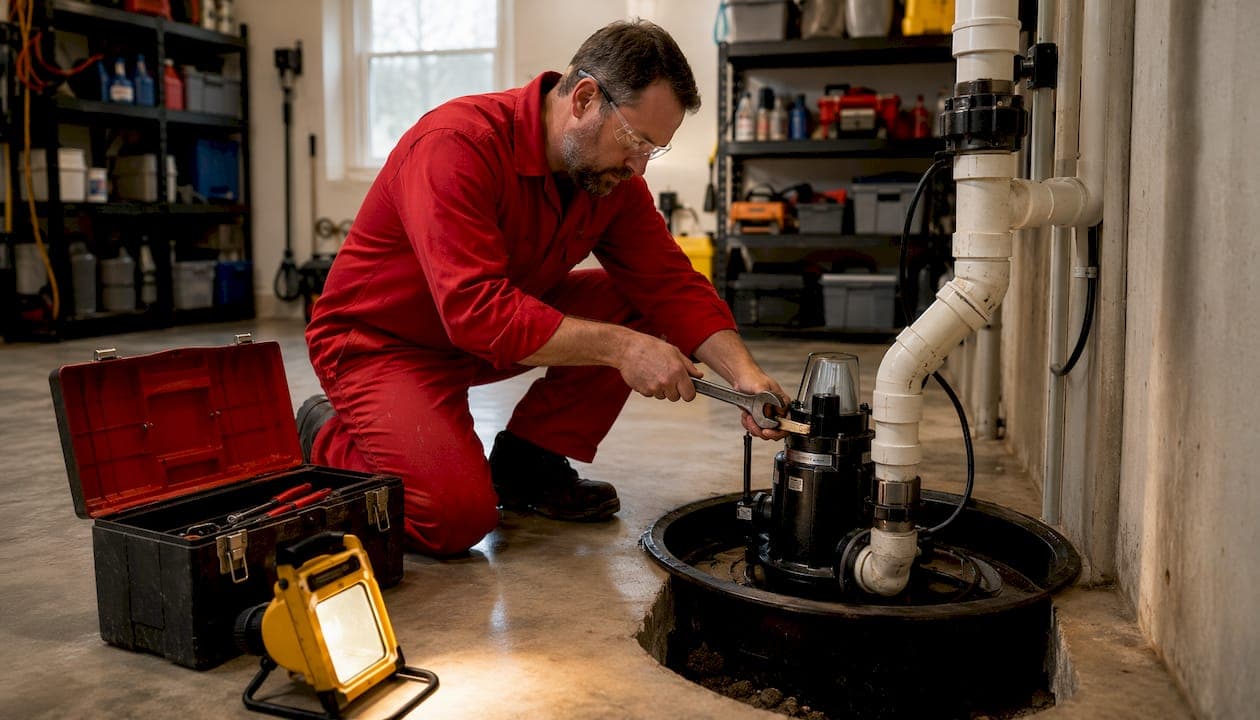
What is a sewage ejector, and what does it do?
A sewage ejector pump is a submersible pump installed inside a sealed basin below your main sewer or septic line. Its job is straightforward: lift wastewater from plumbing fixtures that sit too low for gravity to carry waste out on its own. Without one, a basement toilet, sink, or laundry drain simply has nowhere to go.
Key components that make the system work:
- Sealed basin (ejector pit): Collects wastewater from below-grade fixtures before pumping begins
- Submersible pump: The motor unit that pushes sewage upward through the discharge pipe
- Float switch: Detects rising water levels and triggers the pump automatically
- Discharge pipe with check valve: Carries waste up to the sewer or septic line and prevents backflow
- Vent pipe: Releases sewer gases and keeps pressure balanced inside the system
Wastewater sources typically handled include basement toilets, utility sinks, laundry machines, and showers. According to industry guidance, these pumps are specifically designed for fixtures where gravity flow is impossible, making them a non-negotiable part of any below-grade plumbing setup.
Table of Contents
- Why some buildings can't function without an ejector pump
- How a sewage ejector pump system works, step by step
- Where sewage ejector pumps are commonly installed
- Pump types, maintenance tips, and what not to flush
- What to know before installing a sewage ejector pump
- Signs you need to install or replace your ejector pump
- Sewage ejector pumps vs. alternative waste removal solutions
- Usaplumbingseptic handles ejector pump installation and repair
- Key Takeaways
- FAQ
Why some buildings can't function without an ejector pump
Gravity is the backbone of standard plumbing. Waste flows downhill from fixtures through drain lines and out to the sewer or septic system. The moment a fixture drops below the elevation of the main sewer line, that natural flow stops.
Common situations that require an ejector pump:
- Finished basements with bathrooms, wet bars, or laundry rooms
- Subterranean commercial spaces such as lower-level restrooms in retail or office buildings
- Homes on flat lots where the sewer line runs at or above the basement floor level
- Septic systems positioned uphill from the structure they serve
Without an ejector pump, wastewater from below-grade fixtures cannot drain by gravity, causing backups and flooding that create serious health hazards. Sewage backing up into a finished basement is not just a plumbing problem. It is a sanitation emergency. Plumbing codes in the U.S. consistently require ejector pump systems for any toilet or fixture installed below the sewer line elevation, precisely because the consequences of skipping one are severe.
How a sewage ejector pump system works, step by step
Understanding the sequence makes troubleshooting much easier when something goes wrong.
- Wastewater enters the basin. Fixtures drain into the sealed ejector pit below the floor. The basin typically holds around 30 gallons before the pump engages.
- The float switch rises. As the basin fills, the float climbs with the water level until it hits the activation point.
- The pump motor starts. Power engages the impeller, which pushes sewage upward through the discharge pipe toward the main sewer or septic line.
- The check valve holds. Once waste moves up the discharge line, the check valve closes to prevent it from flowing back into the basin.
- Sewer gases vent safely. The vent pipe continuously releases gases out of the system, keeping pressure balanced and preventing odors from entering living spaces.
- The pump shuts off. When the basin empties, the float drops and cuts power to the motor. The system returns to standby, ready for the next cycle.
Where sewage ejector pumps are commonly installed
Ejector pumps show up in more places than most homeowners expect.
Residential applications:
- Basement bathrooms with full toilet, sink, and shower setups
- Below-grade laundry rooms where the washer drain sits below the sewer line
- Utility sinks in garages or workshops at or below grade
- Wet bars and kitchenettes in finished lower levels
Commercial applications:
- Lower-level restrooms in office buildings, restaurants, and retail spaces
- Below-grade locker rooms or employee break rooms
- Parking garage service areas with floor drains
Septic system applications: Homes where the septic tank sits uphill from the structure rely on ejector pumps to lift effluent up to the tank. This is common in hilly terrain across the U.S. Southwest, including areas we serve around Bullhead City and Mohave Valley. You can learn more about sewer system health and why proper pump function matters for the whole system.
Pump types, maintenance tips, and what not to flush
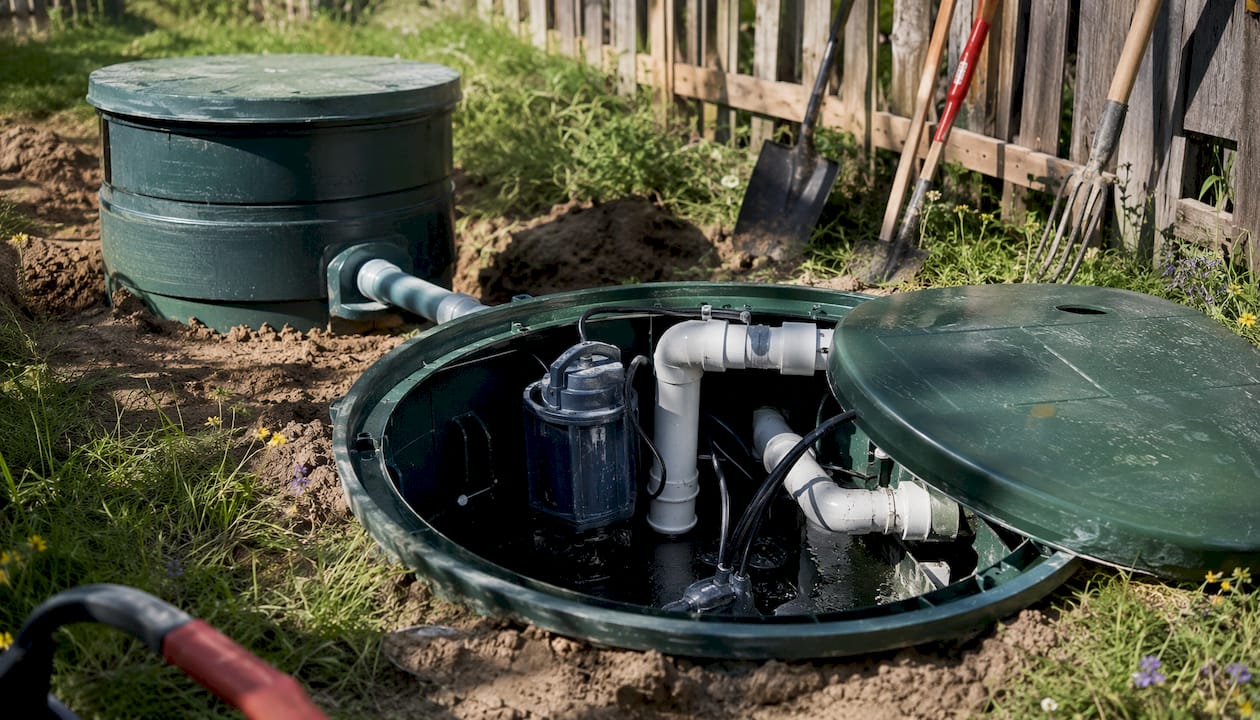
Not every sewage pump is the same, and choosing the wrong one causes expensive problems.
Pump type comparison:
- Sewage ejector pumps (solids-handling): Pass soft solids whole through a 2-inch discharge line. Best for standard residential use with normal toilet waste and paper.
- Grinder pumps: Use a blade assembly to macerate solids before pumping. Required for longer runs, smaller-diameter force mains, or higher-volume commercial use. Choosing the wrong type causes costly clogs and premature failure.
- Sump pumps: Handle groundwater only. Never connect a sump pump drain to a sewage ejector system. Doing so overloads the ejector and can create legal liability with your municipality.
Maintenance essentials:
- Schedule professional inspections annually, especially if the pump runs frequently
- Install a to catch failures before they flood your basement
- Keep the basin lid sealed at all times to contain odors and gases
- Never flush dental floss, wipes (even "flushable" ones), or feminine products. These jam impellers and float switches, leading to sewage backups
Pro Tip: The vent pipe is the most overlooked component in any ejector system. Industry inspection standards require it for safety and pressure balance. A blocked or missing vent pipe lets sewer gases build up inside the basin and can push them into your living space. Check it every time you service the pump.
What to know before installing a sewage ejector pump
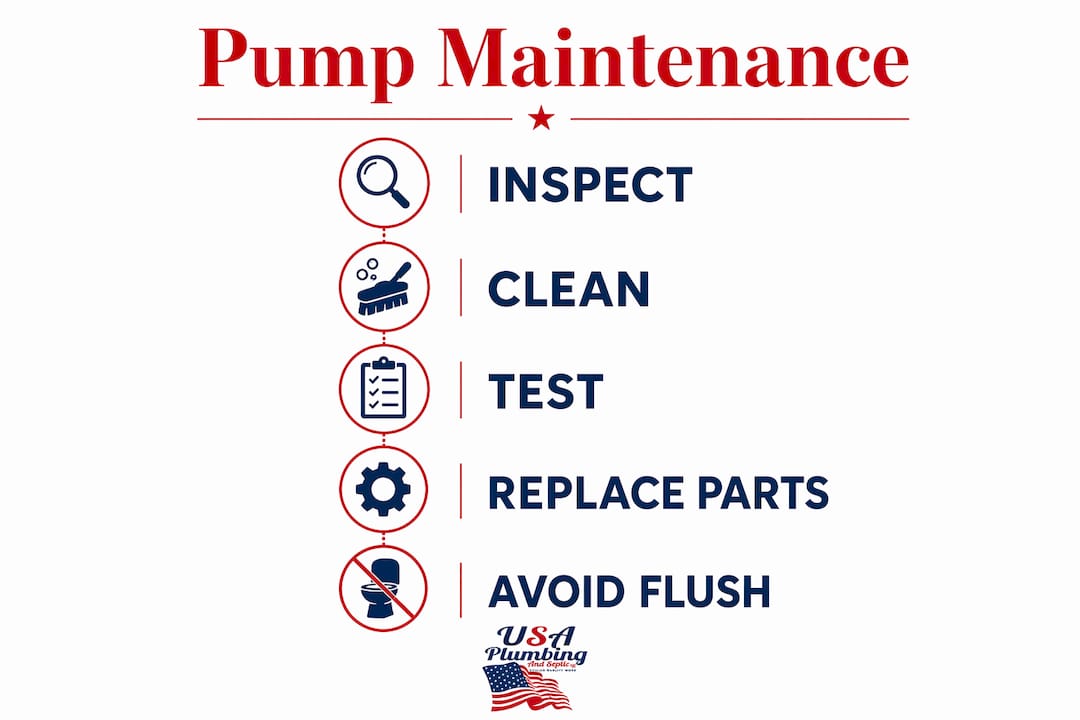
Installation is not a weekend DIY project for most homeowners. Getting it right the first time protects your home and keeps you code-compliant.
Key installation requirements:
- Pit excavation: The basin must be set below the floor, usually in a pit dug during construction or a remodel. Retrofitting in an existing basement requires breaking concrete.
- Proper pipe sizing: Most residential installations use a 2-inch discharge line connecting the pump to the main sewer. Flow rate requirements in your pump's manual determine the exact diameter.
- Dedicated electrical circuit: Ejector pumps require a dedicated 20-amp circuit. DIY wiring errors are one of the leading causes of pump failure at the worst possible moment.
- Check valve and vent connection: The discharge line needs a check valve, and the vent pipe must tie into the existing vent stack.
- Permits: Most U.S. jurisdictions require a permit for ejector pump installation. Skipping this step can complicate home sales and insurance claims later.
Professional installation is strongly recommended. A licensed plumber ensures the basin depth, pipe routing, electrical work, and venting all meet local code. Pair your installation planning with a solid spring home maintenance checklist to keep all your home systems in order year-round.
Signs you need to install or replace your ejector pump
Ejector pumps typically last several years with proper maintenance. Watch for these warning signs:
- Sewage odors near the basin or in the basement, which often signal a cracked lid, failed vent, or a pump that is no longer sealing properly
- Slow drains from basement fixtures, indicating the pump is struggling to keep up
- Gurgling sounds from drains after flushing, a sign of pressure imbalance or a failing check valve
- Frequent cycling where the pump runs constantly or kicks on and off rapidly
- High-water alarm activation, which means the pump cannot keep pace with inflow
- Visible sewage backup in the basement, the most urgent sign of all
If your pump is over 10 years old and showing any of these symptoms, replacement is almost always more cost-effective than repeated repairs. Recognizing signs that drains need attention early keeps a manageable maintenance call from turning into an emergency.
Sewage ejector pumps vs. alternative waste removal solutions
| Solution | Best For | Key Limitation |
|---|---|---|
| Sewage ejector pump | Below-grade fixtures with standard waste | Requires basin pit and dedicated circuit |
| Grinder pump | Long runs, small-diameter force mains | Higher cost, more mechanical complexity |
| Macerator toilet (upflush) | Single fixture, minimal renovation | Not suitable for whole-bathroom or multi-fixture setups |
| Gravity drain (standard) | Fixtures above sewer line elevation | Cannot work below sewer line level |
| Sump pump | Groundwater removal only | Cannot handle sewage or solid waste |
Macerator toilets (sometimes called upflush toilets) are a popular alternative for adding a single toilet in a basement without major construction. They work well for light use but cannot replace a full ejector system when you need a complete bathroom or laundry room below grade. Gravity drainage remains the simplest and most reliable option, but only when your fixtures sit above the sewer line. For everything below grade, a properly sized and installed ejector pump is the right call.
Usaplumbingseptic handles ejector pump installation and repair
When your basement plumbing depends on a pump that runs 24/7, you need a team that shows up fast and gets it right. Usaplumbingseptic provides professional ejector pump installation, repair, and replacement for homeowners and commercial properties across Bullhead City, Fort Mohave, Mohave Valley, and Laughlin. We handle everything from basin excavation and electrical hookup to vent pipe connections and code-compliant permits, so you are not left guessing.
Our licensed plumbers are available around the clock for emergency calls, because a failed ejector pump does not wait for business hours. Whether you need a new system installed or an aging pump replaced before it fails, we are ready. Contact USA Plumbing and Septic LLC today to schedule an inspection or get a quote for your ejector pump project.
Key Takeaways
A sewage ejector pump is the only reliable solution for moving wastewater from below-grade fixtures to the main sewer or septic line when gravity drainage is not possible.
| Point | Details |
|---|---|
| Core function | Lifts wastewater from below-grade fixtures upward to the sewer or septic line using a sealed basin and float-activated pump. |
| Lifespan and maintenance | Ejector pumps last 7–10 years; annual inspections and a high-water alarm extend reliable service life. |
| Installation requirements | A dedicated 20-amp circuit, proper basin depth, 2-inch discharge line, and vent pipe connection are all required by code. |
| What not to flush | Wipes, dental floss, and feminine products jam impellers and cause sewage backups, even products labeled "flushable." |
| Usaplumbingseptic | Provides 24/7 ejector pump installation, repair, and replacement across Bullhead City, Fort Mohave, Mohave Valley, and Laughlin. |
FAQ
Can you put toilet paper in a sewage ejector pump?
Yes. Sewage ejector pumps are designed to handle toilet paper along with normal toilet waste. Avoid flushing wipes, dental floss, or feminine products, as these jam the impeller and cause backups.
How much does it cost to install a sewer ejector pump?
Pump unit costs vary depending on horsepower and type; total installed cost is higher once labor, basin excavation, electrical work, and permits are factored in. Contact a licensed plumber for an accurate quote based on your specific setup.
How long does a sewage ejector pump usually last?
Most sewage ejector pumps last 7–10 years with regular maintenance. Heavy use or neglected inspections can shorten that lifespan significantly.
Do all homes have a sewage ejector pump?
No. Ejector pumps are only needed when plumbing fixtures sit below the main sewer or septic line elevation. Homes without below-grade fixtures rely entirely on gravity drainage and do not require one.