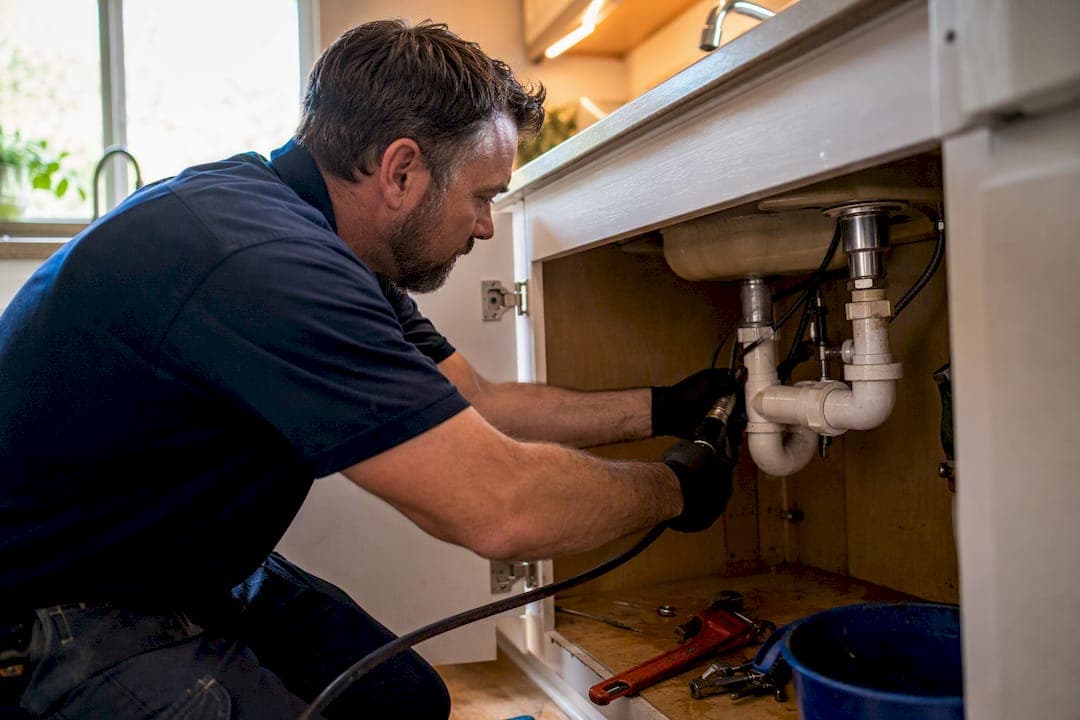
Most homeowners pay a national average of around $246 for professional drain cleaning, with a realistic overall range of $75 to $1,600 depending on the job. Main sewer lines and hydro jetting are typically the most expensive types, while simple sink or tub clogs cost less. The exact number you're quoted depends on the cleaning method, where the clog sits, and whether you're calling on a Tuesday afternoon or a Sunday at midnight.
TL;DR:
- Most drain cleaning jobs in the US cost between $75 and $275 for typical fixtures, with main sewer line work potentially reaching $800 to $1,600, especially if hydro jetting is involved.
- Quotes vary based on clog location, access difficulty, timing, and local labor rates, with emergency or after-hours service often doubling the standard price.
- Different cleaning methods have distinct costs: hand snakes cost $75 to $200, motorized augers $150 to $400, camera inspections $125 to $500, and hydro jetting $350 to $1,600.
- Recurring clogs or problems in main lines often justify investing in diagnostics like camera inspections or hydro jetting, which can prevent multiple repeat visits.
- Homeowners should inquire about fees, method recommendations, and whether diagnostic costs are credited toward repairs before hiring, as upfront itemized quotes can avoid surprises.
Table of Contents
- How Much Does Drain Cleaning Cost by Drain Location?
- What Do Different Drain Cleaning Methods Cost?
- What Factors Actually Change Your Drain Cleaning Quote?
- Why Does Drain Cleaning Cost More in Some Regions?
- Should You Try DIY Drain Cleaning First?
- What Should You Ask Before Hiring a Plumber?
- When Should You Escalate to Diagnostics or Jetting?
- What's the Real Total Cost After Fees Are Added?
- Is Professional Drain Cleaning Really Worth the Cost?
- Get an Itemized Drain Cleaning Quote From Usaplumbingseptic
- Sources
- FAQ
How Much Does Drain Cleaning Cost by Drain Location?
The fixture matters as much as the clog itself. A slow kitchen sink and a backed-up main sewer line are both "drain cleaning," but they're not remotely the same job in terms of time, tools, or price.
Here's what homeowners typically get quoted by location, based on industry cost data:
- Bathroom sink: $75 to $225, usually caused by hair, soap scum, and toothpaste buildup
- Kitchen sink: $100 to $275, often driven by grease, food scraps, or a struggling garbage disposal
- Tub or shower drain: $100 to $275, almost always hair and soap residue packed into the trap
- Toilet: $110 to $275, frequently caused by wipes, excess paper, or foreign objects
- Basement floor drain: $150 to $350, often tied to sediment buildup or a partially collapsed line
- Main sewer line: $200 to $800, the priciest category because it usually involves root intrusion, pipe damage, or years of grease accumulation
Statistic Callout: Hydro jetting a main sewer line can run $350 to $1,600, making it the single most expensive line item in typical residential drain work.
One clog is annoying. Multiple slow drains at once, or a gurgling toilet every time you run the dishwasher, is a different story. That combination usually points to a main-line blockage rather than an isolated fixture issue, and it's worth telling the plumber exactly what you're noticing when you call. Kitchen jobs sometimes escalate further if the garbage disposal itself is the culprit rather than the drain line, so mention any grinding noises or bad odors too.
What Do Different Drain Cleaning Methods Cost?
The tool a plumber reaches for changes the price as much as the drain itself does. Four methods cover almost every residential job, and each has a distinct cost band and purpose, per industry pricing benchmarks:
- Hand snake (manual auger): $75 to $200, best for shallow, simple clogs close to the drain opening
- Motorized auger: $150 to $400, used for tougher or deeper blockages a hand tool can't reach
- Camera inspection: $125 to $500, a diagnostic pass that shows exactly what's happening inside the pipe
- Hydro jetting: $350 to $1,600, a high-pressure water treatment that scours the full pipe wall
Statistic Callout: A camera inspection runs $125 to $500 but often prevents three or four repeat snaking visits, each of which can cost $150 or more on its own.
Camera inspections earn their keep on recurring problems. If a plumber snakes the same drain and it clogs again within weeks, a camera reveals whether you're dealing with root intrusion, a bellied (sagging) pipe section, or a partial collapse, none of which a snake will ever fully fix. You can see how these inspections actually work before you agree to one.
Hydro jetting is the workhorse for grease-heavy kitchen lines and root-choked sewer pipes because it clears the entire diameter of the pipe, not just a narrow channel through the blockage. One caveat is that older, fragile, or already-cracked pipes sometimes can't handle the pressure, so a plumber should inspect first rather than jet blindly.
What Factors Actually Change Your Drain Cleaning Quote?
Two homes with the "same" clogged sink can get quotes $150 apart, and it's rarely random. A handful of variables drive most of that swing:
- Diagnostic or service call fee. Most plumbers charge $59 to $150 just to show up and assess the problem. Ask upfront whether that fee gets credited toward the repair if you approve the work. It often is.
- Access difficulty. A clog behind a wall, under a slab, or requiring toilet removal or roof vent access adds labor time, and that time gets billed.
- Clog severity and location. A blockage 10 feet into the line costs less to clear than one 60 feet down near the city connection.
- Timing. Emergency or after-hours calls typically carry a 1.5x to 2x surcharge over standard daytime rates.
- Local labor rates. Plumber hourly rates vary significantly by metro area, which affects every line on the invoice.
Pro Tip: Ask whether the diagnostic fee is credited toward the final job before the plumber even starts. If they hedge or won't answer directly, treat that as a red flag on the rest of the quote.
Non-urgent clogs are worth scheduling during regular business hours. That single decision can shave a third or more off the total bill, since the surcharge for evening and weekend emergency work adds up fast on an already sizable job. For context on how drain issues compare to other household repairs, see this plumbing repair cost guide.
Why Does Drain Cleaning Cost More in Some Regions?
Where you live changes the math more than most homeowners expect. Plumbers in the Northeast and West Coast generally charge more per hour than plumbers in the Midwest or South, and that gap shows up directly in your final invoice.
Sample metro adjustments from industry pricing data illustrate the spread:
- Bay Area, California: roughly +50% over national baseline pricing
- New York City: roughly +45%
- Los Angeles: roughly +30%
- Rural and lower-cost-of-living markets: roughly -15% to -20% below baseline
Arizona markets, including Bullhead City and the surrounding Mohave Valley, tend to run closer to national averages than the coastal metros above. If a quote feels high or suspiciously low compared to what neighbors report paying, get two local quotes before committing, and check recent reviews for mentions of surprise fees. A plumber's online reputation usually tells you more about pricing honesty than their advertised rate ever will.
Should You Try DIY Drain Cleaning First?
A minor, single-fixture clog is often worth a DIY attempt before you pay anyone. A plunger, a $20 manual snake, or a baking soda and vinegar treatment can clear simple blockages and save homeowners more than $100 on jobs that don't need a professional.
That said, DIY has real limits:
- Toilets are easy to damage with the wrong tool, and a cracked bowl costs far more than the service call you were avoiding.
- Main sewer lines need equipment (motorized augers, jetting rigs, cameras) that no homeowner owns.
- Chemical drain cleaners can corrode older pipes and make the eventual professional job harder and more expensive.
- Recurring clogs in the same drain almost always signal a structural issue that a snake or store-bought cleaner will only mask temporarily.
If you've plunged the same drain three times this year, stop reaching for the plunger. That pattern is exactly what a professional inspection is for.
What Should You Ask Before Hiring a Plumber?
A five-minute phone call before you book can save you a frustrating invoice later. Ask these questions every time:
- Is the diagnostic or service call fee credited toward the final repair cost?
- What cleaning method do you expect to use, and why?
- Is the price flat rate or hourly, and what's included in that number?
- What situations would trigger additional charges (access issues, parts, emergency timing)?
- Is there a warranty or guarantee on the work?
Pro Tip: A flat-rate quote protects you better than an hourly one. If a difficult clog takes twice as long as expected, a flat rate stays fixed while an hourly bill keeps climbing.
Flat-rate pricing is generally the safer structure for homeowners, since a stubborn clog won't inflate the final number mid-job the way hourly billing can. Watch for red flags too: vague scope language, no itemized breakdown, or an advertised $99 special with a long list of exclusions. Those $99 offers typically cover only the most accessible fixture under strict conditions, and add-ons often push the real total into the $200 to $400 range anyway.
When Should You Escalate to Diagnostics or Jetting?
Recurring clogs are the clearest signal that snaking alone won't solve the underlying problem. If the same drain backs up more than twice in a year, that's the industry rule of thumb for switching to hydro jetting instead of paying for another temporary snake job. Root intrusion, grease-hardened pipe walls, and bellied sections all respond to jetting in ways a cable snake never will.
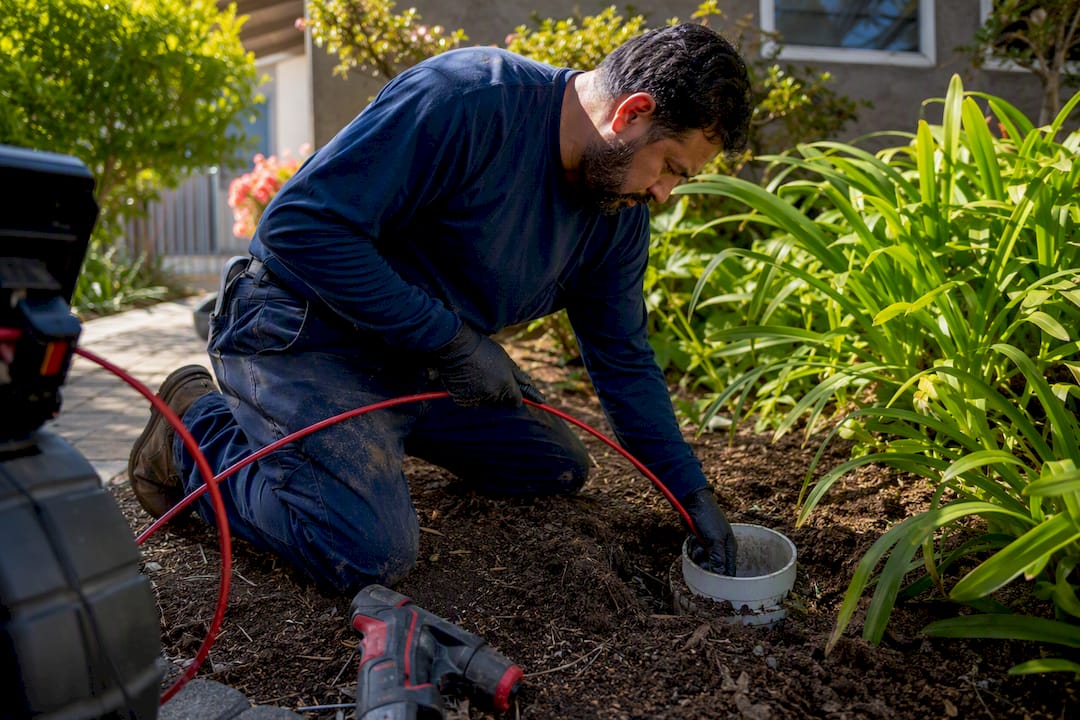
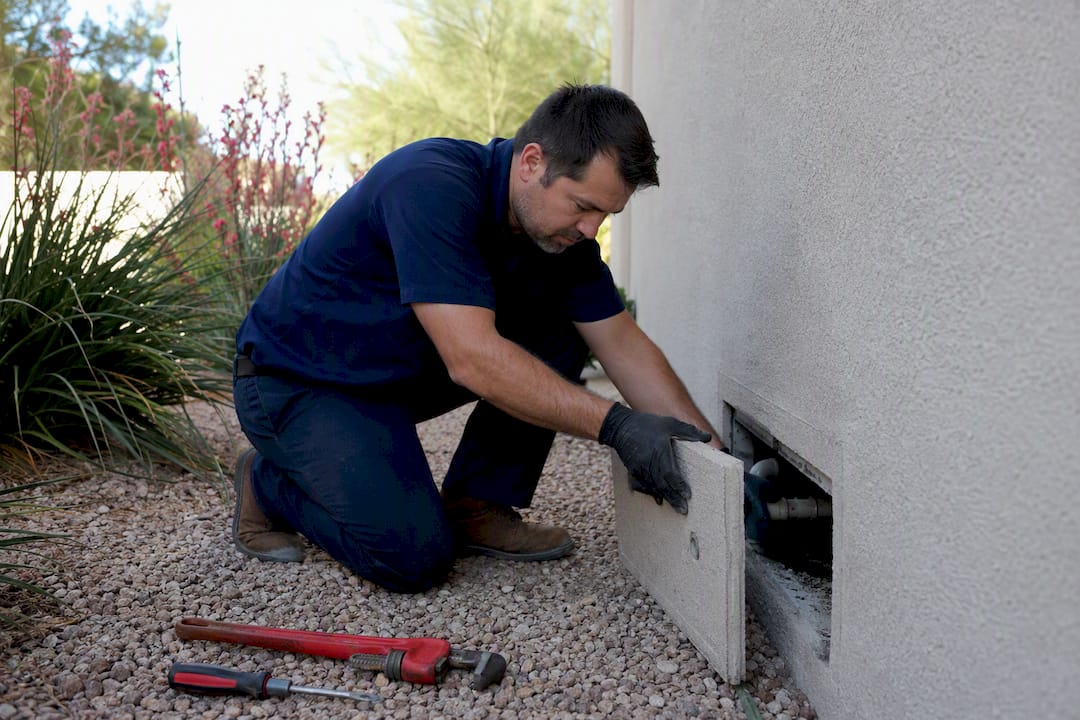
Camera inspections earn their cost the fastest on older homes and properties with mature trees near the sewer line, since root activity tends to spike in spring and fall as roots search for moisture. Knowing where your main cleanout is located before you ever have a problem also saves real time and labor cost during a service call, since a plumber won't need to hunt for access or remove fixtures to reach the line.
Homeowners who prep a little before the appointment, clearing access to the cleanout and noting which fixtures are affected, tend to get faster, more accurate quotes.
What's the Real Total Cost After Fees Are Added?
The quoted drain cleaning price rarely represents the full invoice, and homeowners who don't ask about extras are often surprised at checkout. Most residential jobs don't require permits, since routine drain cleaning is maintenance rather than new plumbing work. Main sewer line repairs or replacements are a different matter and can require municipal permits depending on your city, which adds cost and time to the project.
Disposal fees are the more common add-on. If a plumber has to remove old, damaged pipe sections or haul away debris from a collapsed line, expect a modest disposal charge layered onto the base service. Access-related costs also belong in your total: removing and resetting a toilet, cutting into drywall, or accessing a roof vent typically adds labor hours beyond the base drain cleaning rate.
Putting it together, a straightforward sink or tub clog usually stays close to the quoted $75 to $275 range with no surprises. A main sewer job is where totals climb, sometimes reaching $800 to $1,600 once hydro jetting, camera diagnostics, and any pipe access work are combined. Asking your plumber to itemize the estimate before work begins, rather than after, is the single best way to avoid an invoice that doesn't match the number you expected.
Is Professional Drain Cleaning Really Worth the Cost?
The conventional advice on this topic treats drain cleaning like a commodity: get three quotes, take the lowest one, done. That's backwards. The number on the invoice matters less than what's driving it. A $200 snake job on a drain that needs jetting isn't a bargain. It's a deposit on a second, third, and fourth service call.
What the pricing data actually supports is this: homeowners who ask about method and cause before price tend to spend less over a year than homeowners who chase the cheapest quote every time. A camera inspection that costs $300 more than a basic snake can eliminate two or three repeat visits down the line. That math almost always favors diagnostics on any drain that's clogged more than once.
Prioritize the plumber who explains why they're recommending a method, not just the one with the lowest number on the phone. Price without a diagnosis is a guess, and guesses get expensive.
— JOHN
Get an Itemized Drain Cleaning Quote From Usaplumbingseptic
Usaplumbingseptic gives Bullhead City area homeowners something a lot of quotes skip: a straight answer on method and price before anyone touches a wrench. Whether the job calls for a hand snake, motorized auger, hydro jetting, or a full camera inspection, the diagnosis comes first, so you're not paying for a service that won't actually fix the clog.
Emergency service is available around the clock for backups that can't wait until morning, and every job includes a clear conversation about whether the diagnostic fee gets credited toward the repair. That's the kind of detail worth confirming before you book anyone. If your issue looks like a main-line problem, our sewer line solutions page covers what that process typically involves. Ready for an itemized estimate on your specific drain? Request a quote from our Golden Valley service page and get a plumber out to diagnose the actual cause, not just clear the symptom.
Sources
- Drain Cleaning Cost: What Plumbers Charge to Unclog (2026)
- Drain Cleaning Cost 2026 — Snake, Hydro Jet, Camera by Job Type
- How Much Does Drain Cleaning Cost? 2026 Price Guide
FAQ
How Much Do Plumbers Usually Charge to Unclog a Drain?
Most plumbers charge between $75 and $275 for a standard fixture clog like a sink, tub, or toilet, with a national average around $246 across all job types.
How Much Does It Cost to Clear a Main Sewer Line?
Main sewer line cleaning typically runs $200 to $800, and jobs requiring hydro jetting can climb to $1,600 depending on pipe length and severity.
Is Professional Drain Cleaning Worth the Cost?
Yes, especially for recurring clogs, since a camera inspection or hydro jetting session can eliminate the structural cause instead of temporarily clearing a symptom that keeps coming back.
How Much Should a Basic Clog Removal Cost?
A simple, accessible clog cleared with a hand snake should cost $75 to $200; anything significantly higher for a straightforward job is worth questioning.
Do Plumbers Charge More for Emergency Drain Cleaning?
Yes, after-hours and emergency calls commonly carry a 1.5x to 2x surcharge over standard daytime labor rates, so non-urgent clogs are worth scheduling during business hours when possible.