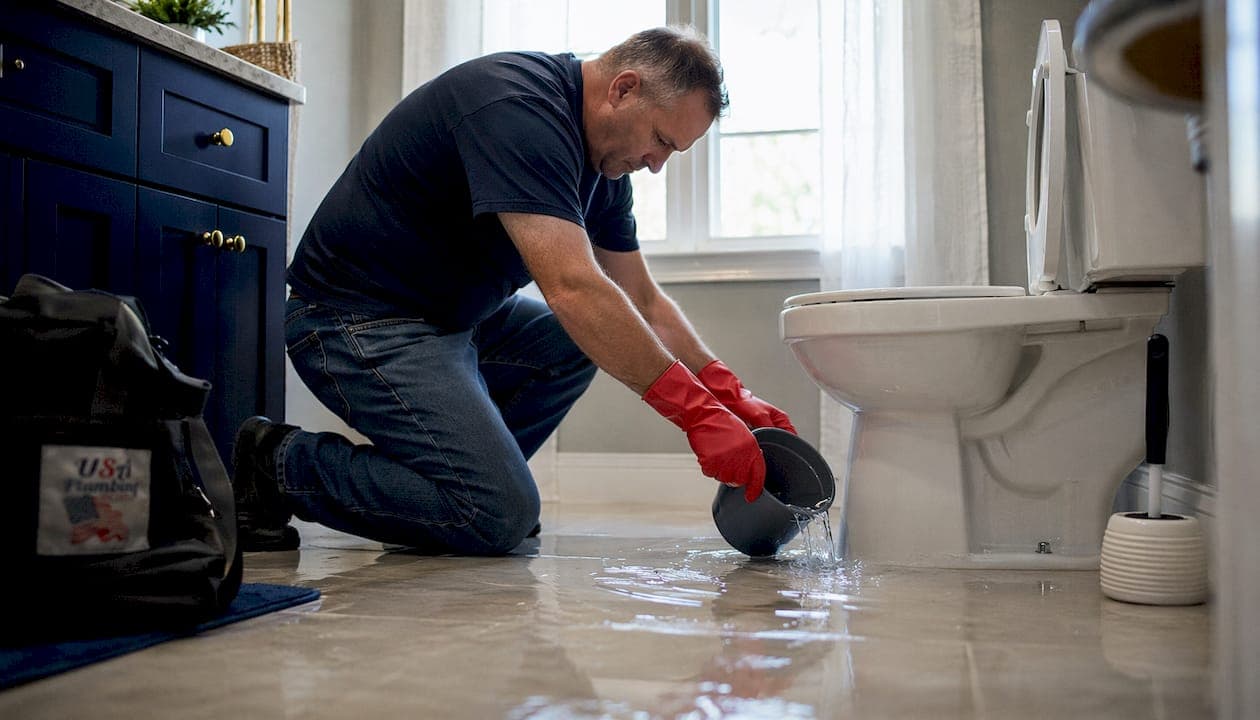
Toilets overflow for four main reasons: a blocked drain, a clogged plumbing vent, a main sewer line backup, or a mechanical failure inside the tank. Most of the time, the culprit is a drain blockage caused by too much toilet paper, foreign objects, or products labeled "flushable" that don't actually break down. When water can't move through the drain fast enough, it has nowhere to go but up and over the bowl rim.
Tank overflows are less common but just as messy. A faulty fill valve, a misadjusted float, or a worn flapper can cause the tank to overfill continuously, sending water into the bowl faster than a slow drain can handle.
When your toilet starts overflowing, do this immediately:
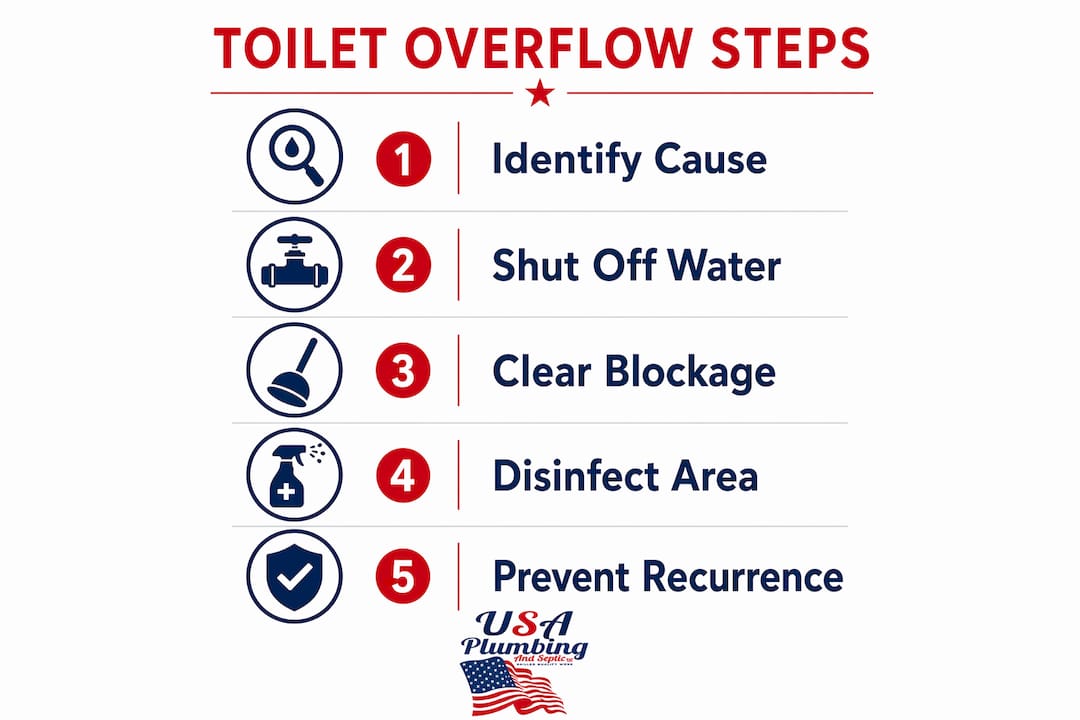
- Reach behind the toilet and turn the water supply valve clockwise to shut it off completely.
- Do not flush again. A second flush adds pressure and can push sewage back into other fixtures.
- Remove the tank lid and push the flapper down by hand to stop water from entering the bowl.
- Use a small cup or towels to remove standing water from the bowl before attempting to plunge.
- Try a plunger with slow, steady pressure — not aggressive thrusting — to dislodge a soft clog.
Pro Tip: Never reach for a chemical drain cleaner during an active overflow. Caustic chemicals can splash back, damage your pipes, and make the blockage harder to clear professionally.
Why toilets overflow: the full breakdown of causes
Understanding the specific cause behind your overflow tells you exactly what fix to reach for. There are four distinct categories, and each one behaves differently.
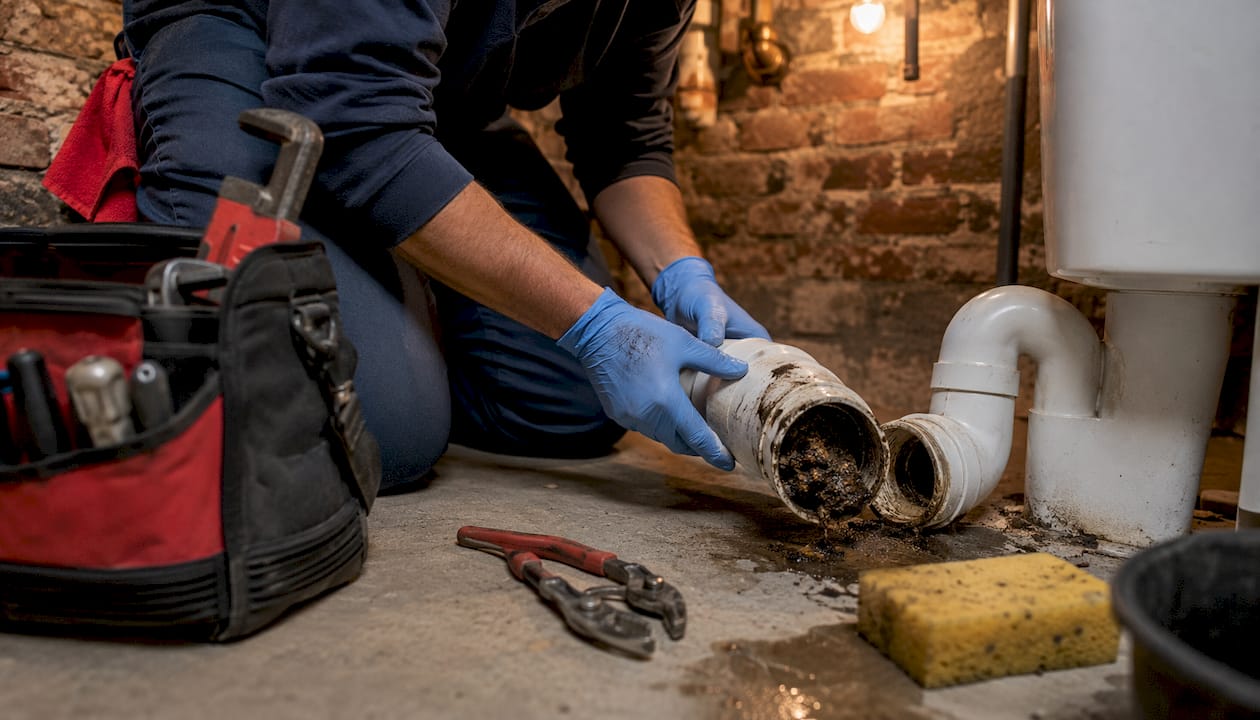
Drain and trap blockages are the most common cause. Excessive toilet paper, children's toys, cotton pads, and feminine hygiene products can lodge in the toilet's trapway or the drain pipe just downstream. Products labeled "flushable" wipes are a frequent offender. They don't break down in the wastewater system the way toilet paper does, and they accumulate into stubborn clogs over time.
Blocked plumbing vents are a less obvious but very real cause. Every drain in your home connects to a vent pipe that runs through the roof. These vents bring fresh air into the drain system so water can flow freely after each flush. When a vent gets blocked by leaves, bird nests, or ice, negative pressure builds in the drain lines. That's when you hear your toilet bubbling or gurgling, especially when another fixture drains nearby.
Main sewer line blockages affect the whole house at once. Tree roots are the most common culprit, growing into pipe joints and expanding until flow is restricted. Collapsed pipe sections, grease buildup, and construction vibration that shifts debris can all trigger a sewer backup. When the main line is blocked, the lowest fixture in the home, usually a toilet or floor drain, is where sewage backs up first.
Mechanical tank failures round out the list:
- A float set too high allows water to rise above the overflow tube, causing continuous spillage into the bowl.
- A faulty fill valve that won't shut off keeps the tank filling even when it's already full.
- A worn flapper lets water trickle from the tank into the bowl constantly, and flappers generally need periodic replacement as they wear out over time.
- A fill valve whose critical level mark sits below the top of the overflow pipe will send water over the tube with every fill cycle.
Septic system issues belong in their own category. A full or obstructed septic tank makes it nearly impossible for waste to enter the tank on a flush, so it backflows into the home instead.
How to stop a toilet from overflowing right now
Speed matters here. The faster you cut the water supply, the less cleanup you face.
- Shut off the supply valve. It's the oval or football-shaped valve on the wall behind the toilet, close to the floor. Turn it clockwise until it stops. If the valve is stuck or corroded, lift the tank lid and push the flapper down manually to stop water flow into the bowl.
- Do not flush again. Flushing a second time adds a full tank of water to an already-blocked drain. If the blockage is in the main sewer line, a second flush can push sewage into your tub or shower.
- Plunge carefully. Use a flange plunger, not a flat cup plunger, for a toilet. Place it firmly over the drain opening and apply slow, even pressure. Aggressive plunging can force blockages deeper or crack the wax ring seal at the toilet base.
- Remove excess water. Use a small container or old towels to bring the water level down before plunging. This reduces splash and gives you a clearer view of whether the drain is clearing.
- Evaluate the result. If the water drains slowly after plunging and the toilet flushes normally, you likely cleared a soft clog. If the water barely moves, or if you hear gurgling from other drains, the problem is deeper than the toilet itself.
Stop before you reach for chemicals. Liquid drain cleaners create heat and pressure inside the pipe. In a blocked line, that pressure has nowhere to go. The cleaner can splash back during a plunge attempt, damage PVC pipes with repeated use, and leave a caustic residue that a plumber then has to work around. A toilet auger is a safer tool for clogs that don't respond to plunging.
When should you call a plumber for an overflowing toilet?
Some overflows are a quick DIY fix. Others are a warning that your plumbing system needs professional attention before a larger backup occurs.
Call a licensed plumber when you notice any of these signs:
- Multiple fixtures backing up at the same time. If your toilet overflows while your shower fills with dirty water or your sink drains slowly, the problem is in the main sewer line, not the toilet.
- Sewage odors inside the home. A persistent sewer smell means the water seal in a trap has been siphoned out, or sewage gas is entering through a compromised line.
- Toilets that bubble when other fixtures drain. This points to a blocked vent pipe or a main drain line obstruction that a plunger won't reach.
- Recurring overflows despite DIY attempts. If your toilet keeps overflowing after you've plunged and cleared visible clogs, a partial sewer blockage, pipe damage, or hard water buildup is likely the underlying cause.
- Water appearing around floor drains or at the base of the toilet. This signals pressure in the drain system that is finding the path of least resistance.
Professional plumbers carry equipment like sewer cameras and hydro-jetting tools that can locate and clear blockages far beyond what any homeowner can reach. Waiting too long risks water damage to flooring, subfloor, and walls, along with potential health hazards from sewage exposure. For local homeowners in Bullhead City, Fort Mohave, and Mohave Valley, Usaplumbingseptic offers 24/7 emergency response for exactly these situations. You can learn more about sewer line solutions available in the area.
How to prevent toilet overflow from happening again
Prevention is almost always cheaper than repair. A few consistent habits and a quick annual inspection of your tank components go a long way.
- Flush only waste and toilet paper. No wipes, even ones labeled flushable. No paper towels, cotton balls, or feminine hygiene products. These items don't break down and accumulate into stubborn blockages over time.
- Inspect tank components annually. Lift the lid and check the flapper, float, and fill valve. A flapper that looks discolored, stiff, or warped needs replacement. Flappers are inexpensive and take about 15 minutes to swap out.
- Keep roof vent pipes clear. After storms or in fall when leaves are heavy, check that debris hasn't collected around your roof vent openings. A blocked vent is one of the quieter causes of recurring drain problems.
- Schedule septic pumping on a regular cycle. A full septic tank gives no warning before it backflows. Regular pumping, typically every 3–5 years depending on household size, keeps the system working.
- Use less toilet paper per flush. If your toilet has older, lower-pressure flushing, large amounts of paper can overwhelm the trapway. Flush in two stages if needed.
- Address slow drainage immediately. A toilet that drains sluggishly is telling you a clog is forming. Deal with it now using a plunger or auger, not later when water is on your floor.
Pro Tip: Hard water mineral deposits inside the porcelain flush ports reduce flushing strength over time, which contributes to recurring clogs. If you're in a hard water area like Bullhead City or Mohave Valley, a water softener can protect your toilet's flush performance and extend the life of tank components.
Expert insights from Usaplumbingseptic on toilet overflow mistakes
We see the same mistakes repeatedly on service calls, and most of them make the original problem worse.
Here's what our experienced team at Usaplumbingseptic has learned from years of emergency calls across Bullhead City, Fort Mohave, and Mohave Valley:
- Float valve settings are critical. The fill valve's critical level mark must sit at least one inch above the top of the overflow pipe. When it doesn't, water spills into the overflow tube continuously, and even a slightly slow drain can cause an overflow with no clog present at all.
- Hard water is a hidden cause of recurring overflows. Mineral deposits inside the porcelain flush ports reduce flushing power gradually. Homeowners in hard water regions often replace flappers repeatedly without realizing the real problem is reduced flush velocity.
- Chemical drain cleaners damage pipes over time. The heat and caustic reaction they generate can soften PVC joints and deteriorate older cast iron lines. Enzyme-based cleaners are a safer alternative for routine maintenance.
- A running toilet is a warning, not just a nuisance. A toilet that runs constantly means the fill valve isn't shutting off or the flapper isn't sealing. Left unaddressed, either condition can lead to tank overflow, especially if the drain is even slightly restricted.
Pro Tip: Listen to your toilet between flushes. A hissing sound means the fill valve is running. A faint trickling sound usually means the flapper isn't sealing. Catching either sound early saves you from a much bigger problem.
For drain cleaning guidance that covers safe methods and what to avoid, Usaplumbingseptic's team is always ready to help.
How to safely clean up after a toilet overflow
Toilet water is a health hazard, especially if it contains sewage. Move quickly and protect yourself.
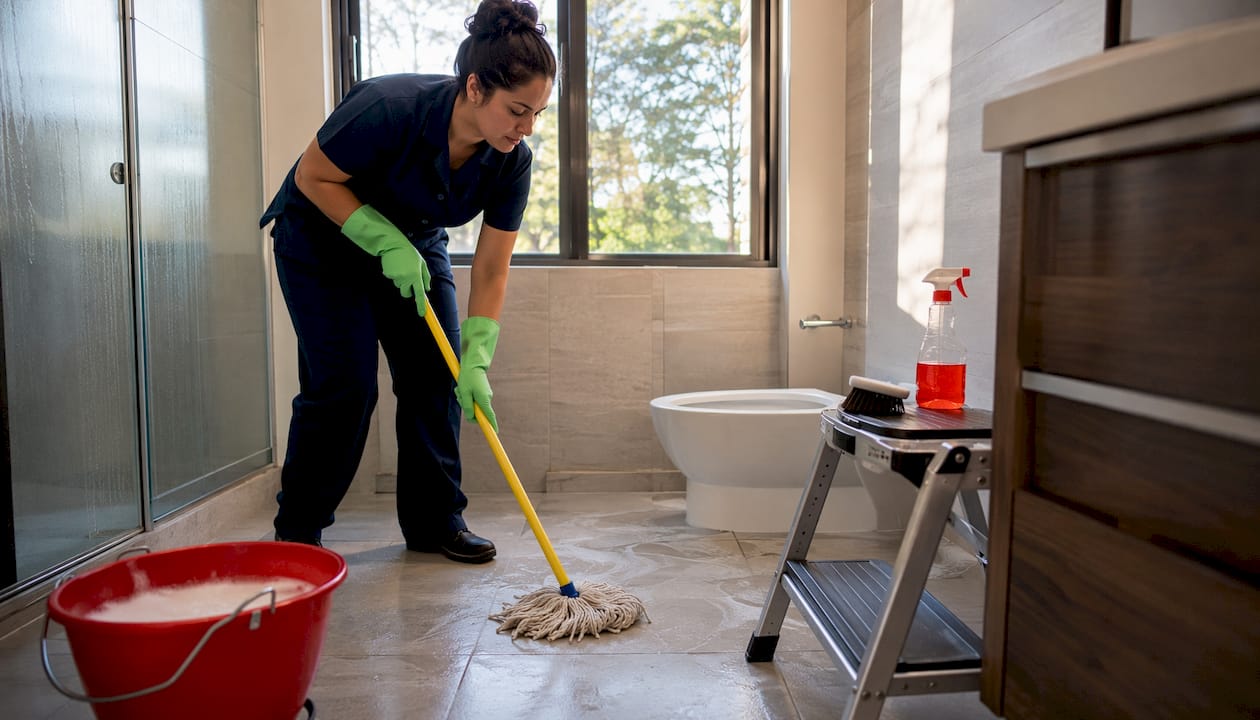
Put on rubber gloves before touching anything. If the overflow involved sewage backup, wear eye protection and avoid touching your face. Remove soaked rugs, towels, or bath mats immediately and bag them separately. Use a wet-dry vacuum or absorbent towels to pull standing water off the floor, working from the edges toward the drain.
Disinfect every surface the water touched. A solution of one cup of bleach per gallon of water works well on hard flooring, baseboards, and the toilet exterior. Let it sit for at least five minutes before wiping. Porous materials like wood subfloor or drywall that absorbed sewage-contaminated water may need professional remediation to prevent mold growth.
Dry the area thoroughly. Open windows, run a fan, and if the overflow was significant, consider a dehumidifier for 24–48 hours. Moisture trapped under flooring is the most common cause of mold after a toilet overflow.
How your home's plumbing system connects to toilet overflows
Your toilet doesn't operate in isolation. It's part of a drain-waste-vent (DWV) system that connects every fixture in your home to the main sewer line or septic tank.
When you flush, water and waste travel through the toilet's trapway, down the drain pipe, and into progressively larger pipes until they reach the main sewer line. Vent pipes branch off these drain lines and exit through the roof, keeping air pressure balanced so water flows freely. A blockage anywhere in this network, whether at the toilet trap, a shared drain line, or the main sewer, can cause a toilet to back up and overflow.
This is why a slow bathroom drain elsewhere in the house often signals the same developing blockage that will eventually cause a toilet overflow. The system is interconnected, and symptoms in one fixture frequently point to problems that affect others.
Signs of hidden plumbing issues that can cause overflow
Some of the most serious overflow causes develop slowly and quietly before they become emergencies.
Watch for these warning signs:
- Slow drainage in multiple fixtures. When the kitchen sink, bathroom sink, and toilet all drain slowly, the blockage is in the main line, not individual fixtures.
- Gurgling sounds from drains when other fixtures run. A toilet that bubbles when the washing machine drains points to a venting problem or a shared drain line obstruction.
- Unexplained wet spots near the toilet base or on the ceiling below a bathroom. These suggest a wax ring failure or a slow tank leak that's been running unnoticed.
- Toilet that requires two flushes regularly. Reduced flush performance often means mineral buildup in the flush ports or a partial clog forming in the trapway.
- Sewage smell without a visible backup. This usually means a trap has dried out or a vent is blocked, allowing sewer gas into the home.
Catching these signs early is the difference between a $20 flapper replacement and a full sewer line repair. For a more detailed look at what drain symptoms mean, the signs your drains need cleaning resource from Usaplumbingseptic covers the most common warning patterns.
Temporary fixes when a plumber isn't immediately available
You can't always get a plumber on the spot. These steps stabilize the situation until professional help arrives.
Shut off the water supply valve and leave it off. This stops any further overflow regardless of the cause. You can still use other fixtures in the house as long as the main sewer line isn't blocked.
Use a bucket flush sparingly. If you need to use the toilet before the plumber arrives and the clog is minor, pour a bucket of water quickly into the bowl from waist height. The force can sometimes push a soft clog through. Do this only once. If the water rises instead of draining, stop immediately.
Prop the flapper closed if the overflow is coming from the tank. A small object placed gently on the flapper will stop water from entering the bowl. This is a temporary measure only, not a repair.
Avoid using other fixtures excessively if you suspect a main sewer line issue. Every drain in the house feeds the same line. Running the dishwasher or taking a shower adds volume to a system that's already struggling to drain.
For a full emergency preparedness checklist, Usaplumbingseptic's 24-hour plumbing emergency guide walks through exactly what to do while waiting for a plumber.
Need reliable plumbing help in the Tri-State area?
When a toilet overflow goes beyond a simple plunge, you need a team you can trust at any hour. Usaplumbingseptic provides 24/7 emergency plumbing and septic services across Bullhead City, Fort Mohave, Mohave Valley, and Laughlin. Our experienced plumbers arrive equipped to diagnose and fix drain blockages, sewer line backups, tank mechanical failures, and septic system issues, fast and affordably.
Don't wait for a minor overflow to become a major repair. Contact our local plumbing team today and get the problem solved right the first time.
Key Takeaways
Toilet overflows almost always trace back to a drain blockage, a blocked vent pipe, a main sewer line backup, or a mechanical failure in the tank, and catching the cause early prevents the most costly damage.
| Point | Details |
|---|---|
| Shut off water first | Turn the supply valve clockwise immediately to stop overflow before attempting any fix. |
| Flappers wear out every 3–5 years | A worn flapper causes constant running and can lead to tank overflow if left unaddressed. |
| "Flushable" wipes cause real clogs | Products labeled flushable don't break down in drain systems and are a leading cause of blockages. |
| Multiple fixtures backing up means call a plumber | Simultaneous backups across fixtures signal a main sewer line problem beyond DIY reach. |
| Hard water reduces flush power | Mineral buildup in flush ports weakens flushing over time, contributing to recurring stoppages. |
FAQ
Why does my toilet keep overflowing even after I plunge it?
Repeated overflows after plunging usually indicate a blockage deeper in the drain line, a main sewer line issue, or a mechanical tank fault like a faulty fill valve or misadjusted float. A plumber with a sewer camera can locate the exact problem.
Why is my toilet bubbling when I haven't flushed it?
A toilet that bubbles on its own typically has a blocked vent pipe, which causes air to get pulled through the water trap instead of flowing through the roof vent. It can also signal a partial blockage in a shared drain line.
Can a running toilet cause an overflow?
Yes. A toilet that runs constantly means the fill valve isn't shutting off or the flapper isn't sealing, which can overfill the tank. If the drain is even slightly slow, the continuous water flow into the bowl can cause an overflow.
What should I never flush to prevent toilet overflow?
Never flush wipes (even those labeled flushable), paper towels, feminine hygiene products, cotton balls, or any non-toilet-paper material. These items don't break down and are a primary cause of drain blockages.
When is a toilet overflow a plumbing emergency?
Call a plumber immediately if multiple fixtures are backing up at the same time, if you smell sewage inside the home, or if water is appearing around floor drains. These signs point to a main sewer line or septic system failure that requires professional equipment to resolve.