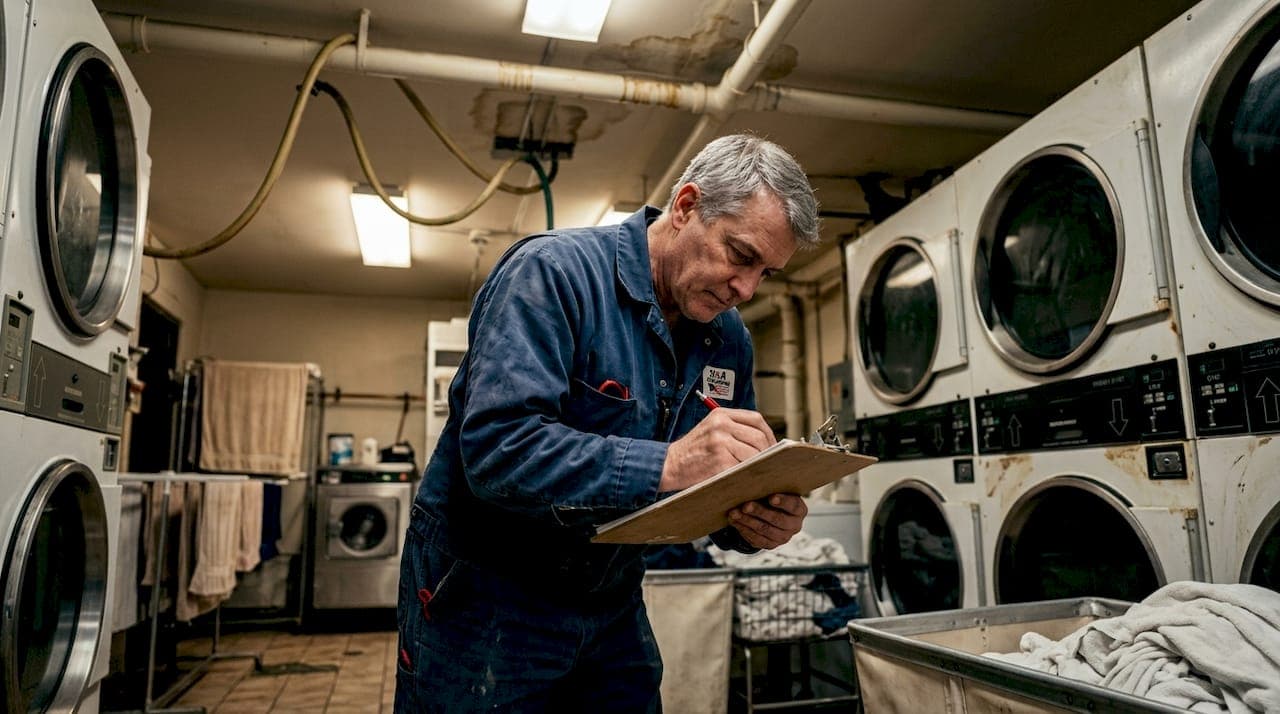
Common hotel plumbing problems are defined as recurring failures in guest fixtures, water heaters, drain systems, and supply lines that directly reduce guest satisfaction and drive up repair costs. Running toilets, clogged drains, water heater failures, and pipe leaks represent the four most damaging categories in commercial hospitality plumbing. Front desk recovery costs for plumbing-related guest complaints average $150–$400 per incident, with negative Net Promoter Score impact lasting over 12 months. That financial exposure makes proactive plumbing maintenance in hotels a business priority, not just a facilities task.
1. Running toilets: the silent budget drain
Running toilets are the most common and most underestimated hotel plumbing issue. The cause is almost always mechanical: a worn flapper, a faulty fill valve, or a float set too high. What makes them dangerous in a hotel setting is that they often go undetected. Corridor noise and HVAC systems mask the sound, so a toilet can run for days before a guest or housekeeper notices.
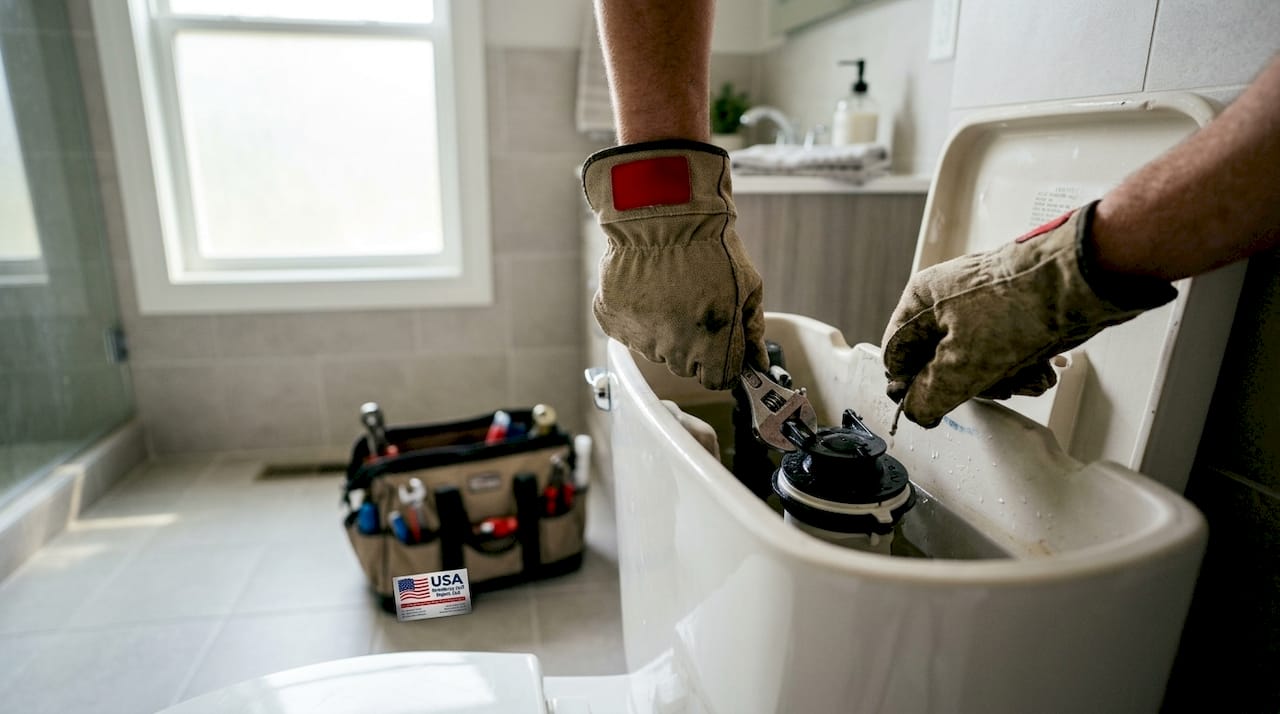
The financial damage is real. Running toilets waste over 200 gallons of water daily per unit. Multiply that across 100 rooms and you have a water bill problem that compounds every billing cycle.
Prevention steps:
- Inspect flappers and fill valves monthly during room turnovers
- Use dye tablets to detect silent leaks in tanks
- Replace rubber components every 12–18 months as a standard practice
- Log every repair to track repeat offenders by room number
Pro Tip: Add a toilet function check to your housekeeping checklist. Staff who clean the room daily are your best early-warning system for running water.
2. Clogged drains and their effect on hotel operations
Drain clogs are one of the most frequent hotel plumbing repairs, and they affect every area of the property differently. Guest bathroom drains collect hair, soap scum, and personal care products. Kitchen drains accumulate grease and food particles. Public restroom drains face wipes, paper towels, and foreign objects that guests should not be flushing.
The consequences go beyond a slow shower drain. Flooding in a guest room triggers an immediate room block, a maintenance call, and often a comp night. Health code violations from kitchen drain backups can shut down food service operations entirely.
- Schedule drain cleaning quarterly for high-traffic guest bathrooms and public restrooms.
- Inspect grease traps monthly in hotel kitchens. Grease trap neglect leads to backups, foul odors, and costly emergency repairs.
- Install hair catchers in all shower and tub drains as a low-cost, high-return measure.
- Post signage in guest bathrooms reminding guests not to flush wipes or hygiene products.
- Train kitchen staff on proper grease disposal to reduce trap loading between cleanings.
Slow drains are often the first visible sign of a deeper blockage. Catching them early through a bathroom drain maintenance routine saves you from the far more expensive emergency call.
3. Water heater problems and guest satisfaction
Cold showers generate some of the most damaging online reviews a hotel can receive. Water heater failures are a leading cause, and most of them are preventable with scheduled maintenance. The three most common failure points are sediment buildup in the tank, anode rod corrosion, and faulty temperature and pressure relief valves.
Sediment buildup reduces water heater efficiency by 20–30% and accelerates internal corrosion. Without maintenance, most commercial water heaters fail at 8–10 years. With quarterly flushing and annual anode rod inspection, that lifespan extends to 15 years. That difference represents tens of thousands of dollars in avoided replacement costs across a full property.
| Maintenance Task | Frequency | Benefit |
|---|---|---|
| Tank flushing | Quarterly | Removes sediment, restores efficiency |
| Anode rod inspection | Annually | Prevents internal corrosion |
| T&P valve test | Annually | Confirms safety valve function |
| Full unit inspection | Every 2 years | Identifies early failure signs |
Pro Tip: Label each water heater with its installation date and last service date. When a unit approaches the 8-year mark without maintenance history, schedule a full inspection immediately rather than waiting for a failure.
For a deeper look at specific failure modes, the common water heater problems guide covers diagnosis and repair options in detail.
4. Pipe leaks and water damage risks
Pipe leaks are the most financially destructive category of hotel plumbing issues because the damage escalates faster than most maintenance teams expect. A small pinhole leak behind a wall can saturate insulation, rot subfloor material, and trigger mold growth before anyone sees visible water.
Mold colonization starts within 24–48 hours after water exposure. Subfloor damage becomes irreversible within 72 hours.
Undetected leaks from failed appliance hoses can dump up to 650 gallons per hour. A single washing machine supply hose failure can flood multiple floors before the water reaches a drain sensor or visible surface. Regular hose replacement every 5–7 years is the only reliable prevention.
The cost comparison is stark. A $200 hose replacement prevents a restoration project that can run into five figures. Early detection through moisture inspections and leak detection technology is the most cost-effective investment a maintenance team can make.
Signs of hidden leaks to check regularly:
- Unexplained spikes in monthly water bills
- Soft spots or discoloration on walls, ceilings, or floors
- Musty odors in guest rooms or utility corridors
- Water meter movement when all fixtures are off
When a leak is suspected, treat it as an emergency. The commercial property plumbing emergency protocol covers the steps to take before a licensed plumber arrives.
5. Effective plumbing maintenance strategies for hotels
The most reliable way to reduce hotel plumbing issues is a structured, property-wide maintenance program. Each plumbing subsystem, including guest fixtures, water heaters, kitchen systems, and fire suppression lines, has distinct failure modes that require tailored inspection schedules. A single generic checklist applied to all systems misses the specific risks in each area.
Scheduled inspection programs costing under $50 per unit annually can almost entirely eliminate running toilet and appliance hose failures. That cost is a fraction of one comp night, let alone a water damage claim.
Core elements of an effective hotel plumbing maintenance program:
- Fixture inspections: Check toilets, faucets, and showerheads monthly during room turnovers
- Pressure management: Municipal water pressure exceeding 80 psi requires pressure reducing valves to protect fixtures. Test annually and replace valves every 10–15 years.
- Digital record-keeping: Log every inspection, repair, and part replacement by room and system. Patterns reveal chronic problem areas before they become emergencies.
- Staff training: Housekeeping and maintenance staff should know how to identify and report early warning signs such as running water sounds, slow drains, and water stains.
- Proactive part replacement: Replace rubber seals, flappers, and supply hoses on a fixed schedule rather than waiting for failure.
Pro Tip: Build your commercial maintenance schedule around occupancy cycles. Low-season periods are the best time for water heater flushes, drain cleaning, and fixture overhauls with minimal guest impact.
Preventive plumbing inspection programs substantially reduce guest complaints and water damage claims within months of consistent implementation. The key word is consistent. A program that runs for two months and then lapses provides almost no long-term benefit.
Key takeaways
Proactive plumbing maintenance in hotels is the single most effective way to reduce guest complaints, prevent water damage, and control repair costs across all property systems.
| Point | Details |
|---|---|
| Running toilets waste fast | A single running toilet wastes over 200 gallons daily; monthly inspections catch failures early. |
| Drain clogs hit multiple systems | Schedule quarterly drain cleaning and monthly grease trap checks to prevent health code violations. |
| Water heater lifespan doubles with care | Quarterly flushing and annual anode rod checks extend unit life from 8–10 years to 15 years. |
| Leak damage escalates in hours | Mold starts within 24–48 hours; treat any suspected leak as an emergency, not a work order. |
| Inspection programs pay for themselves | Programs under $50 per unit annually eliminate most running toilet and hose failures entirely. |
What I've learned from watching hotels skip the basics
Hotels that treat plumbing as a reactive cost center pay for it repeatedly. I've seen properties where the same room generates three comp nights in a single quarter because no one tracked which toilet had already been repaired twice. The fix was not a new toilet. It was a repair log.
The shift from reactive to preventive maintenance is not complicated. It requires discipline, not budget. A housekeeper who checks for running water during turnover, a maintenance tech who logs every repair by room number, and a manager who reviews that log monthly. That combination catches the problems that generate $150–$400 recovery costs before they reach the guest.
The properties that do this well also tend to have better online reviews. Not because their plumbing is perfect, but because problems get resolved before checkout. Guests rarely complain about issues that were fixed quietly and quickly. They do complain, loudly and publicly, about issues that were ignored.
Common multi-unit plumbing problems like pressure imbalances and shared drain backups add another layer of complexity in larger properties. The answer is still the same: subsystem-specific inspection schedules and staff who know what to look for.
— JOHN
Usaplumbingseptic: professional hotel plumbing support
Hotel plumbing systems carry a level of demand that residential systems never face. Every fixture runs multiple times daily, every drain handles heavy use, and every failure has a guest attached to it.
Usaplumbingseptic provides 24/7 commercial plumbing services for hotels and multi-unit properties in Bullhead City, Fort Mohave, Mohave Valley, and Laughlin. Our team handles everything from emergency leak response to scheduled maintenance programs built around your property's specific systems. We go the extra mile to keep your operations running and your guests comfortable. For plumbing essentials in Mohave County or to schedule a commercial inspection, contact Usaplumbingseptic today. We're ready when you need us.
FAQ
How often should hotels inspect their plumbing fixtures?
Monthly inspections during room turnovers cover most guest fixtures. Water heaters and grease traps require quarterly attention, with full system reviews at least annually.
What causes most hotel plumbing complaints from guests?
Running toilets, cold showers from water heater failures, and slow or clogged drains generate the majority of guest plumbing complaints in hotel properties.
How do you fix hotel plumbing leaks before they cause damage?
Conduct monthly moisture inspections in utility areas, monitor water bills for unexplained spikes, and replace appliance hoses every 5–7 years to prevent catastrophic failures.
What is the cost of ignoring hotel plumbing maintenance?
Front desk recovery for a single plumbing complaint costs $150–$400, not counting room blocks, water damage restoration, or the long-term impact on guest reviews and repeat bookings.
How can hotel maintenance teams prevent clogged drains?
Install hair catchers in all shower drains, schedule quarterly professional drain cleaning, and manage grease traps monthly in kitchen areas to prevent backups and health code violations.